The Russia-Ukraine conflict remains one of the most consequential security crises in Europe. As of September 2026, fighting continues alongside long-range missile and drone attacks, pressure on critical infrastructure, economic measures against Russia, and renewed diplomatic efforts.
The situation can change quickly. Military developments, negotiations, energy infrastructure, air-defense capacity, sanctions, and international support can all influence what happens next. For travelers, businesses, and readers following European affairs, understanding these different factors is more useful than focusing on a single battlefield development.
Why the Russia-Ukraine Conflict Remains Difficult to Resolve
The war involves several interconnected issues rather than one isolated territorial dispute. Military operations continue across parts of Ukraine, while both sides have demonstrated the ability to conduct strikes far beyond the immediate frontline.
At the same time, diplomatic discussions have continued intermittently. Proposals involving ceasefires, energy infrastructure, humanitarian concerns, and broader peace negotiations can create temporary openings, but reaching a durable settlement requires agreement on major unresolved issues.
This complexity means that short-term developments should be viewed as part of a wider process. A temporary reduction in attacks does not necessarily mean the conflict has ended, just as an increase in strikes does not automatically determine the long-term direction of negotiations.
Military Pressure Could Remain High
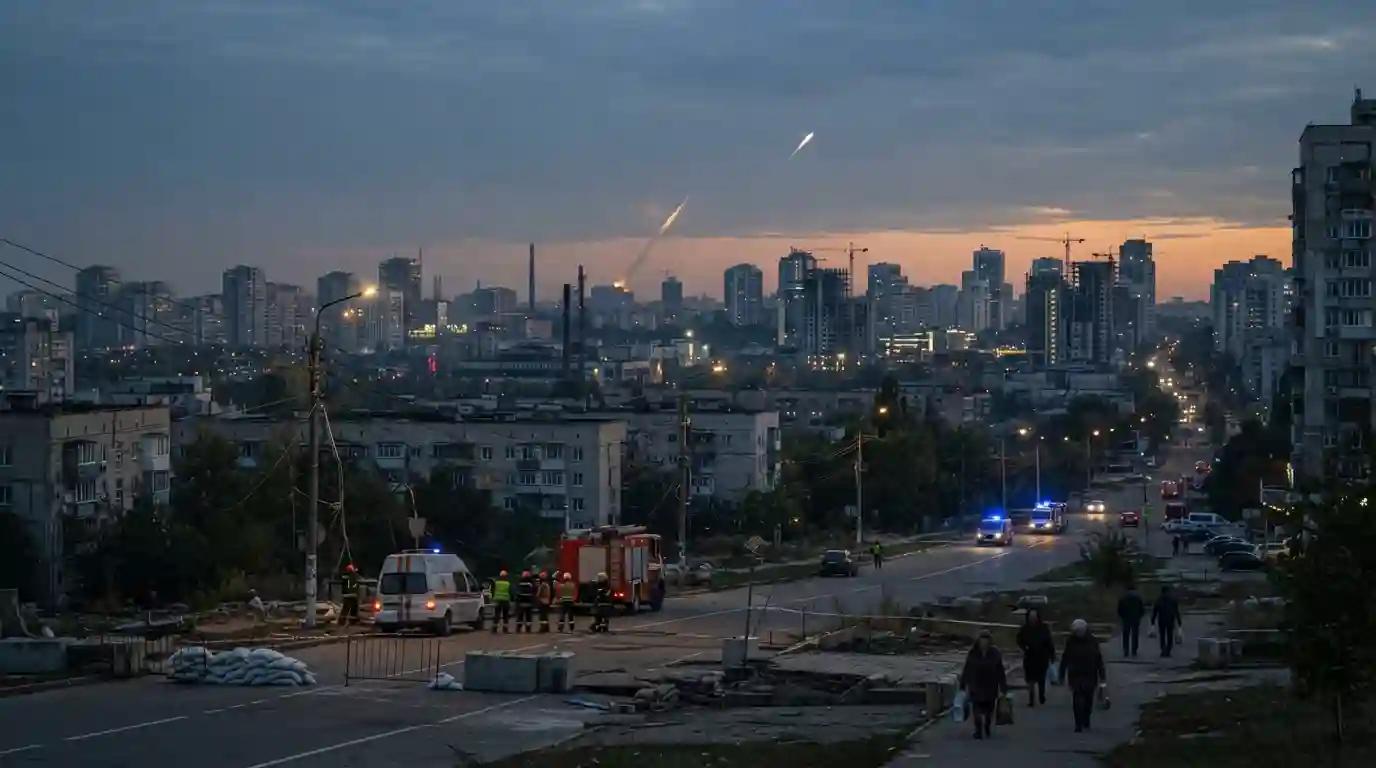
One of the clearest features of the current conflict is the growing importance of long-range warfare. Russia has continued using missiles and drones against targets in Ukraine, while Ukraine has expanded its own long-range strikes against military, energy, logistics, and industrial infrastructure inside Russia.
Air-defense systems have therefore become increasingly important. Ukraine’s ability to protect major cities, energy facilities, transportation networks, and other critical infrastructure depends heavily on the availability and effectiveness of interceptors and related systems.
The use of drones also continues to reshape the battlefield. Relatively inexpensive unmanned systems can be used for reconnaissance, disruption, and long-range attacks, making them an important part of modern military strategy.
Energy Infrastructure Will Remain a Major Concern
Energy infrastructure has repeatedly been affected by the war. Power plants, transmission networks, fuel facilities, and other energy-related assets can influence both civilian life and military logistics.
For Ukraine, protecting electricity and heating infrastructure is particularly important as colder weather approaches. Damage to energy systems can affect households, businesses, transportation, hospitals, and public services at the same time.
Energy markets outside the region can also react to disruptions or concerns about supply. This makes the conflict relevant beyond Ukraine and Russia, particularly for countries and businesses exposed to global oil, gas, transportation, and commodity markets.
Diplomatic Efforts Could Produce Short-Term Openings
Diplomacy remains another major factor to watch. Discussions involving Ukraine, Russia, the United States, and European governments can influence the military and economic environment even when they do not immediately produce a comprehensive peace agreement.
One area receiving attention is the possibility of limiting attacks against energy infrastructure. Such arrangements could reduce some immediate risks for civilians while creating space for further negotiations.
However, temporary understandings can be fragile. Their significance depends on whether both sides implement them consistently and whether they lead to broader negotiations addressing the fundamental issues of the war.
Sanctions and Economic Pressure Will Continue to Matter
Economic pressure is another major component of the conflict. Sanctions can restrict access to technology, financing, energy markets, industrial equipment, and other resources, while Russia continues looking for ways to maintain trade and support its economy.
The consequences extend beyond government budgets. Companies involved in shipping, manufacturing, energy, insurance, agriculture, and international trade may need to account for changing regulations and supply-chain risks.
Global economic developments can therefore be useful to follow alongside military developments. Readers interested in the wider relationship between international events and economic conditions can also explore global economic shifts and current trends.
Food and Agricultural Supply Chains Remain Important
Ukraine and Russia have historically played important roles in global agricultural markets. Disruptions involving ports, shipping routes, storage facilities, transportation infrastructure, or agricultural production can affect food supply chains well beyond the immediate conflict zone.
Black Sea transportation remains particularly important. Any significant disruption can create additional uncertainty for countries that depend on agricultural imports and for companies involved in international commodity logistics.
This is one reason the conflict should not be viewed exclusively as a military story. Transportation, food security, energy, and international commerce are all connected to the wider regional situation.
What the Conflict Means for European Travel
Travelers considering trips to Europe should distinguish between areas directly affected by active fighting and destinations farther from the conflict zone. The security environment can vary considerably from one country or region to another.
Travel plans should be based on current government advisories, airline information, border conditions, and local developments rather than assumptions based solely on the overall situation in Europe.
For broader trip planning, travelers can explore destinations through guides such as places to visit in Europe, top places to visit in Eastern Europe, and top places to visit in the Netherlands.
Those considering Western European destinations can also review Amsterdam travel ideas, places to visit in the West Midlands, and interesting places to visit in the UK.
Travelers Should Watch Transportation Conditions
Airspace restrictions, rail disruptions, border procedures, and changing flight schedules can become important considerations during periods of heightened regional tension.
Travelers planning multi-country European itineraries should leave room for changes. Flexible reservations, travel insurance that covers relevant disruptions, and regular checks of official transportation information can reduce problems if conditions change.
Travel planning does not have to stop because of uncertainty elsewhere in the continent. Instead, travelers should evaluate individual destinations and routes carefully.
For additional travel planning inspiration, WayfareHub also covers East Coast destinations, New York State destinations, and places to visit across the United States.
Could the Conflict Affect Tourism Beyond the Region?
Yes. Even destinations far from the conflict can experience indirect effects through fuel prices, airline operating costs, currency movements, travel demand, and consumer confidence.
European tourism is particularly interconnected. A prolonged period of uncertainty may influence how travelers choose destinations, how tour operators structure itineraries, and how businesses manage capacity.
At the same time, tourism markets can remain active even during geopolitical uncertainty. Travelers may simply shift toward destinations they consider easier to reach or more predictable.
For seasonal travel planning, readers can explore guides covering spring travel destinations, fall destinations in the United States, and East Coast winter destinations.
What to Watch in the Coming Days
Several indicators can help readers understand whether the situation is becoming more or less volatile.
- Long-range missile and drone attacks: Changes in the frequency or scale of strikes can indicate shifts in military strategy.
- Energy infrastructure: Attacks or agreements involving power and energy facilities could have significant civilian and economic consequences.
- Air-defense supplies: The availability of interceptors and defensive systems remains important for Ukraine’s ability to protect major population centers and infrastructure.
- Diplomatic negotiations: Direct discussions and proposals for temporary ceasefires may provide clues about possible de-escalation.
- Sanctions: New restrictions or changes in enforcement can influence Russia’s economy and international trade.
- Black Sea act “`