Quiet logistics careers are often overlooked because much of the work happens behind the scenes. Yet transportation coordinators, warehouse specialists, inventory planners, supply chain analysts, procurement professionals, and logistics managers play an essential role in keeping products, materials, and information moving efficiently.
This guide explains what quiet logistics careers involve, which roles are available, what skills employers commonly look for, how technology is changing the field, and how professionals can build a long-term career in supply chain operations.
What Are Quiet Logistics Careers?
The term “quiet logistics careers” describes the many supply chain jobs that operate away from public attention. These professionals may not interact directly with consumers, but their work has a direct effect on whether products arrive on time, inventory remains available, and business operations continue smoothly.
Typical responsibilities can include shipment coordination, inventory control, transportation scheduling, warehouse operations, procurement support, documentation, demand planning, supplier communication, and logistics analysis.
The logistics sector also connects with broader business and economic trends. Understanding global economic shifts can help supply chain professionals recognize why transportation demand, inventory strategies, sourcing decisions, and operational priorities change over time.
Why Logistics Careers Matter
Modern businesses depend on interconnected supply chains. Manufacturers need raw materials, retailers need inventory, warehouses need accurate stock information, and customers expect dependable fulfillment.
That means logistics professionals frequently solve practical problems that directly affect business performance. A delayed shipment may require a new transportation plan. An inventory shortage may require urgent procurement. A warehouse bottleneck may require a change in storage or fulfillment processes.
For professionals who prefer measurable responsibilities and operational problem-solving, this environment can be a natural fit.
Types of Quiet Logistics Careers
One of the biggest advantages of the logistics field is the range of career paths. People can specialize in physical operations, planning, data, procurement, transportation, technology, or management.
1. Logistics Coordinator
Logistics coordinators help organize shipments, transportation schedules, delivery information, documentation, and communication between different parties. The role requires attention to detail because small scheduling or documentation errors can create larger operational problems.
2. Supply Chain Analyst
Supply chain analysts work with operational information to identify patterns, improve planning, monitor performance, and support business decisions. Strong spreadsheet, analytical, and data interpretation skills can be particularly useful.
3. Warehouse Operations Specialist
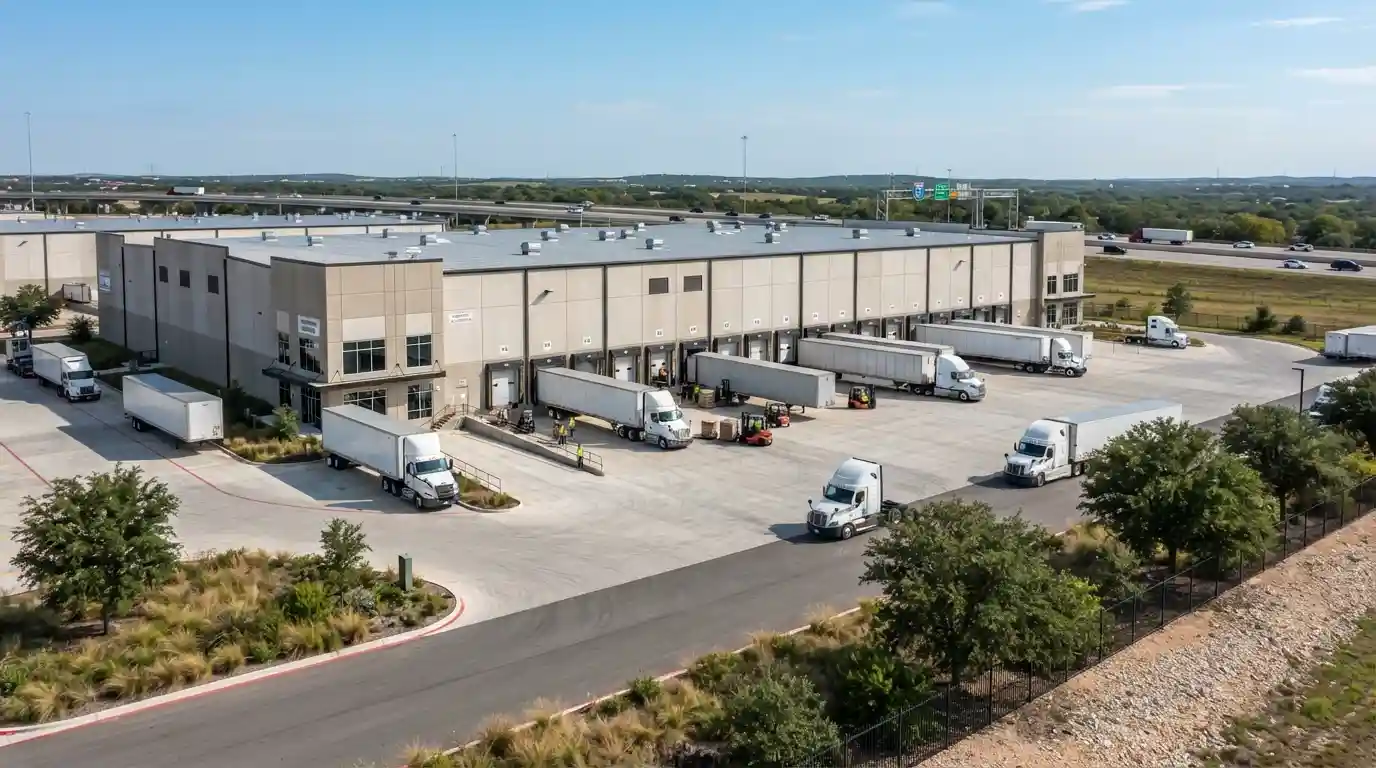
Warehouse professionals support receiving, storage, inventory accuracy, picking, packing, fulfillment, and dispatch activities. Modern warehouse roles increasingly involve digital inventory systems, scanning technology, automated equipment, and performance reporting.
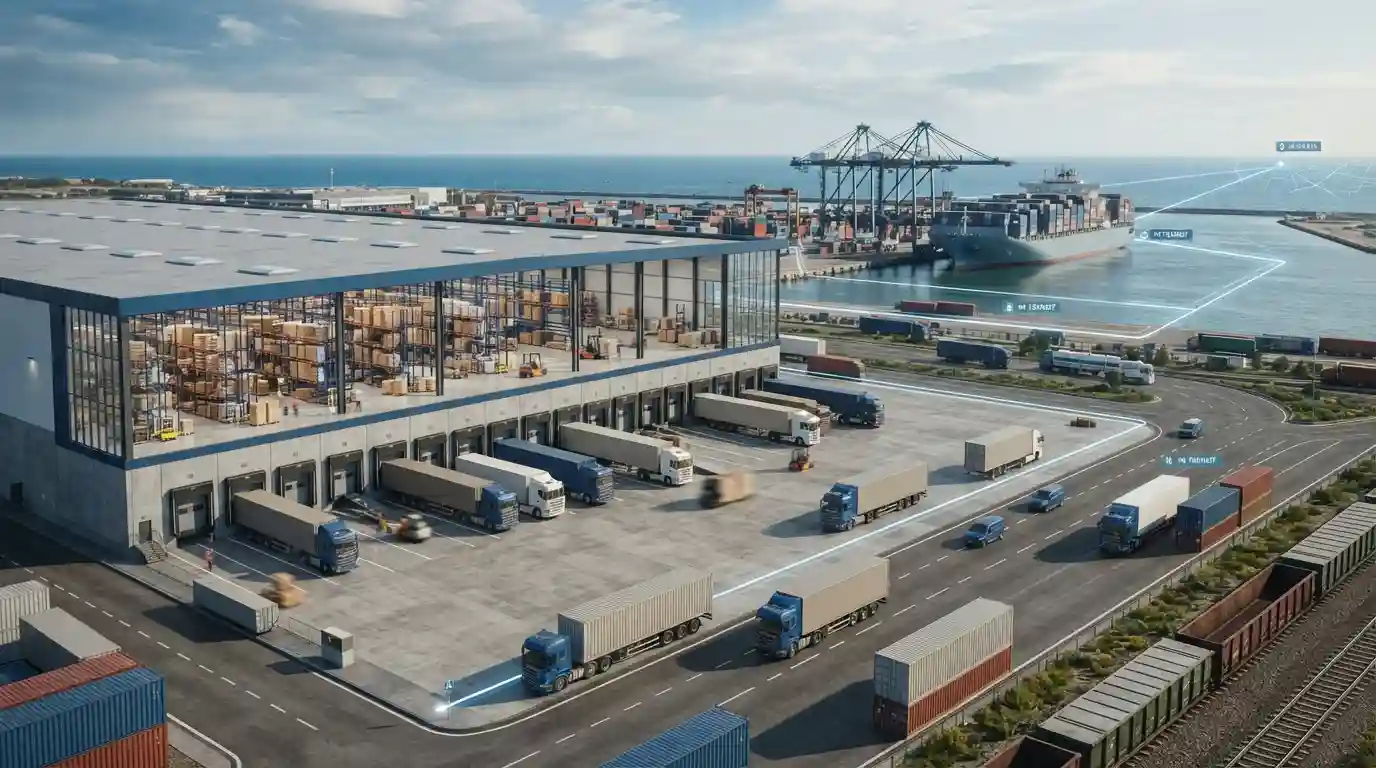
Modern facilities are also becoming more sophisticated. The development of logistics infrastructure, such as modern logistics parks and supply chain hubs, illustrates how warehouse design, transportation access, technology, and workforce planning can work together.
4. Transportation Coordinator
Transportation coordinators manage the movement of goods between suppliers, warehouses, distribution centers, and customers. Scheduling, route planning, carrier communication, shipment tracking, and problem-solving are common parts of the job.
5. Procurement Specialist
Procurement professionals help organizations source materials, products, equipment, and services. Their work may involve supplier research, purchase orders, pricing discussions, documentation, inventory requirements, and supplier relationships.
Specialized procurement can become particularly important when businesses need difficult-to-source components. The role of specialized suppliers and inventory availability is explored further in Relli Technology Inc and specialized supply support.
6. Logistics Manager
Logistics managers coordinate teams, transportation activities, warehouse operations, suppliers, performance targets, and operational processes. This is generally a more experienced role that combines technical knowledge with leadership and decision-making.
Those interested in management-focused logistics careers can also explore Cardinal Logistics Management careers as an example of the broader career paths available within transportation and logistics.
Skills Needed for Quiet Logistics Careers
Successful logistics professionals typically combine practical operational knowledge with communication, organization, analytical thinking, and technology skills.
Organization and Time Management
Logistics involves multiple deadlines, shipments, suppliers, customers, and operational priorities. Strong organization helps professionals keep tasks moving without overlooking important details.
Analytical Thinking
Supply chain decisions frequently involve inventory levels, transportation costs, delivery times, demand patterns, and operational performance. Being comfortable with data can help professionals identify problems and evaluate possible solutions.
Communication
Logistics professionals regularly communicate with suppliers, carriers, warehouse teams, customers, managers, and other departments. Clear communication can reduce misunderstandings and help teams respond quickly when conditions change.
Problem-Solving
Supply chains rarely operate without unexpected issues. Delays, shortages, transportation disruptions, inaccurate inventory information, and changing customer requirements can all require quick decisions.
Technology Skills
Digital tools are now an important part of modern logistics. Professionals may work with enterprise resource planning systems, warehouse management software, transportation management platforms, inventory systems, spreadsheets, analytics dashboards, and tracking tools.
The wider technology environment is also evolving quickly. Understanding AI innovations and emerging technology can help logistics professionals understand where automation and data-driven decision-making may affect future operations.
How Technology Is Changing Logistics Careers
Technology is changing the type of work performed across the supply chain. Automated storage systems, barcode scanning, connected tracking platforms, predictive analytics, robotics, and digital inventory management can reduce repetitive tasks while increasing the importance of technical and analytical skills.
Modern logistics operations increasingly depend on visibility. Managers want to know where inventory is located, when shipments are expected, which orders are delayed, and where capacity problems may develop.
Professionals who can understand both operational processes and technology can therefore contribute across multiple parts of a supply chain.
Businesses are experiencing similar changes across many industries. For broader context on how technology is reshaping organizations, see business technology and innovation and modern technology solutions for businesses.
Cold Chain and Specialized Logistics Careers
Not every logistics environment involves ordinary consumer products. Some supply chains require specialized storage, handling, monitoring, and transportation conditions.
Cold-chain logistics, for example, involves products that must remain within controlled temperature ranges. This creates additional requirements for equipment, monitoring, inventory management, compliance, and operational training.
The specialized nature of these operations can create opportunities for professionals who want to develop expertise in a particular logistics segment. A useful example is cold storage and supply chain operations.
How to Start a Logistics Career
People do not necessarily need to begin their careers in management. Entry-level operational positions can provide valuable exposure to how supply chains function.
A practical starting point is to identify the area that best matches your interests. Someone who enjoys data may prefer supply chain analysis. A person who likes coordination may prefer transportation or logistics operations. Someone interested in systems and technology may eventually move toward warehouse technology, analytics, or supply chain systems.
Education can also help. Relevant study areas may include supply chain management, logistics, business administration, operations management, data analysis, or related technical disciplines.
There are also career opportunities connected to logistics technology. Professionals interested in technology-oriented roles can explore related examples such as technology careers and job opportunities.
Building Experience Without Waiting for a Management Role
Experience can be developed through practical responsibilities. Inventory control, shipment tracking, warehouse administration, procurement support, customer operations, transportation scheduling, and reporting can all provide useful exposure.
Professionals should pay attention to measurable improvements they contribute to. Examples might include reducing order errors, improving inventory accuracy, shortening processing times, improving reporting, or helping teams coordinate shipments more effectively.
These accomplishments can become useful evidence when applying for more advanced positions.
Education and Technology Skills Can Work Together
The modern supply chain increasingly combines business knowledge with digital tools. Professionals who understand operations but can also work with data and technology may be able to contribute to projects involving automation, forecasting, reporting, and process improvement.
This trend is not limited to logistics. Technology is transforming many professional environments, including specialized industries and business operations. Related technology-focused topics on WayfareHub include business technology solutions and technology-supported procurement and supply operations.
Career Growth in the Supply Chain Industry
A logistics career can develop in several directions. An employee may begin in a coordination or warehouse position and later move into planning, analytics, supervision, procurement, transportation management, or broader supply chain leadership.
Career development often depends on a combination of experience, technical skills, industry knowledge, communication, and leadership ability.
Some professionals eventually specialize in a particular area, such as inventory planning, freight operations, procurement, cold-chain management, warehouse systems, or transportation analytics.
What Employers May Look for in Logistics Candidates
Job descriptions vary considerably, but employers commonly look for candidates who can demonstrate reliability, organization, communication, problem-solving, and the ability to work with operational information.
Technical requirements may include spreadsheet skills, ERP familiarity, inventory software, reporting tools, or experience with logistics systems. Management roles can also require experience supervising teams and improving operational performance.
Professionals researching the broader employment landscape can also explore quiet logistics career opportunities alongside related career topics on the site.
Logistics, Warehousing, and the Future of Work
As supply chains become more connected, logistics workplaces are likely to continue changing. Automation may handle more repetitive activities, while employees may increasingly focus on exception management, analysis, technology supervision, planning, and decision-making.
Warehouses may also become more data-driven. Inventory systems can provide greater visibility, transportation platforms can improve shipment tracking, and analytics can help businesses understand operational patterns.
This means future logistics professionals may benefit from combining traditional supply chain knowledge with digital skills.
How to Find the Right Logistics Career Path
Instead of focusing only on job titles, consider the type of work you want to perform each day.
- Prefer data? Explore supply chain analysis, forecasting, and reporting.
- Prefer coordination? Consider logistics coordination and transportation operations.
- Prefer physical operations? Explore warehouse, distribution, and fulfillment roles.
- Prefer technology? Consider logistics systems, automation, analytics, and digital supply chain roles.
- Prefer leadership? Build toward logistics management and operations leadership.
- Prefer sourcing? Explore procurement and supplier management.
It can also help to understand how logistics connects with wider business transformation. Topics such as digital transformation demonstrate the broader shift toward technology-supported business processes.
Final Thoughts on Quiet Logistics Careers
Quiet logistics careers may not always receive the visibility of customer-facing professions, but they are an important part of modern commerce. Transportation coordinators, warehouse specialists, supply chain analysts, procurement professionals, technology specialists, and logistics managers all contribute to the movement of goods and the continuity of business operations.
The field also provides room for specialization. Professionals can develop expertise in transportation, inventory, warehousing, procurement, analytics, technology, cold-chain operations, or management.
For people who enjoy solving practical problems, organizing complex processes, working with data, and improving how systems operate, logistics can provide a meaningful professional direction. The strongest long-term approach is to build practical experience while continuously developing communication, analytical, operational, and technology skills.
As supply chains continue to evolve, professionals who understand both the physical movement of goods and the digital systems supporting that movement can position themselves for a wide range of future opportunities.