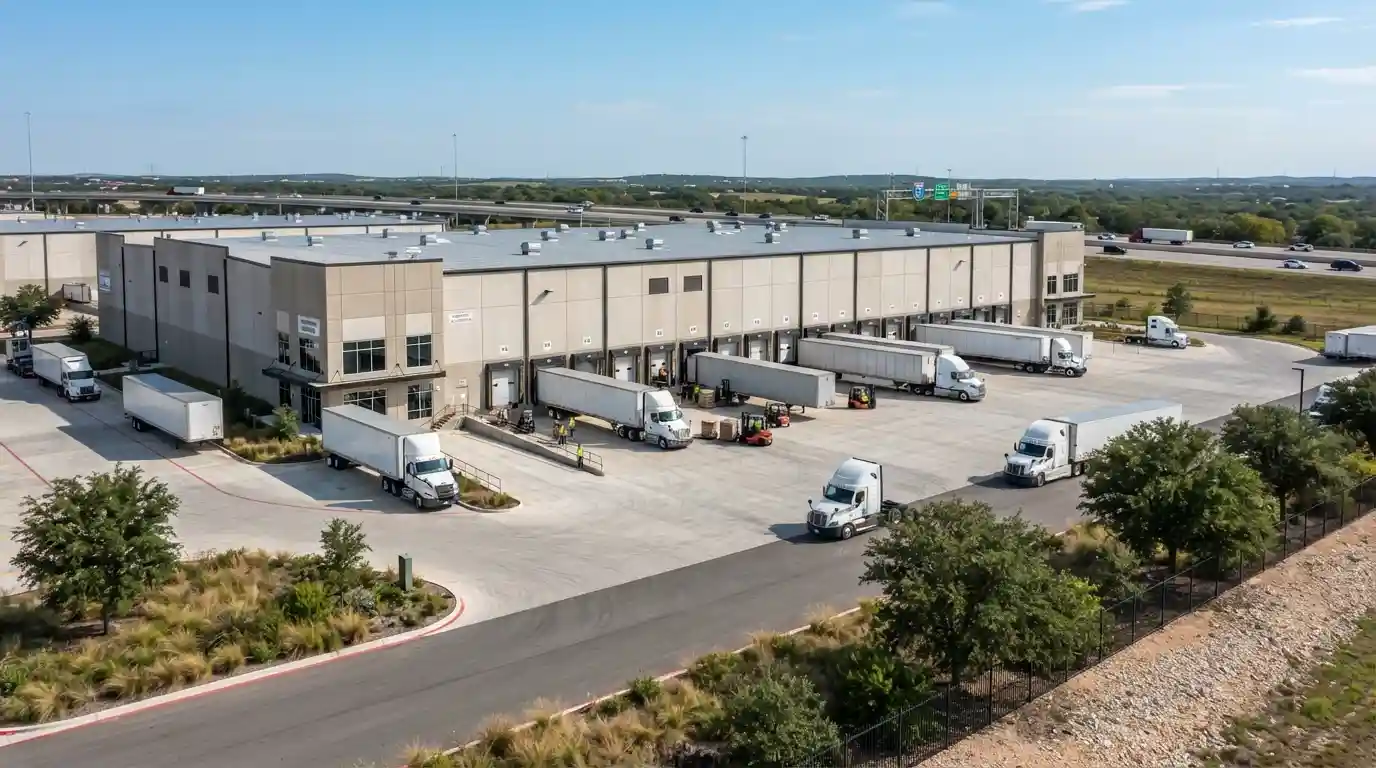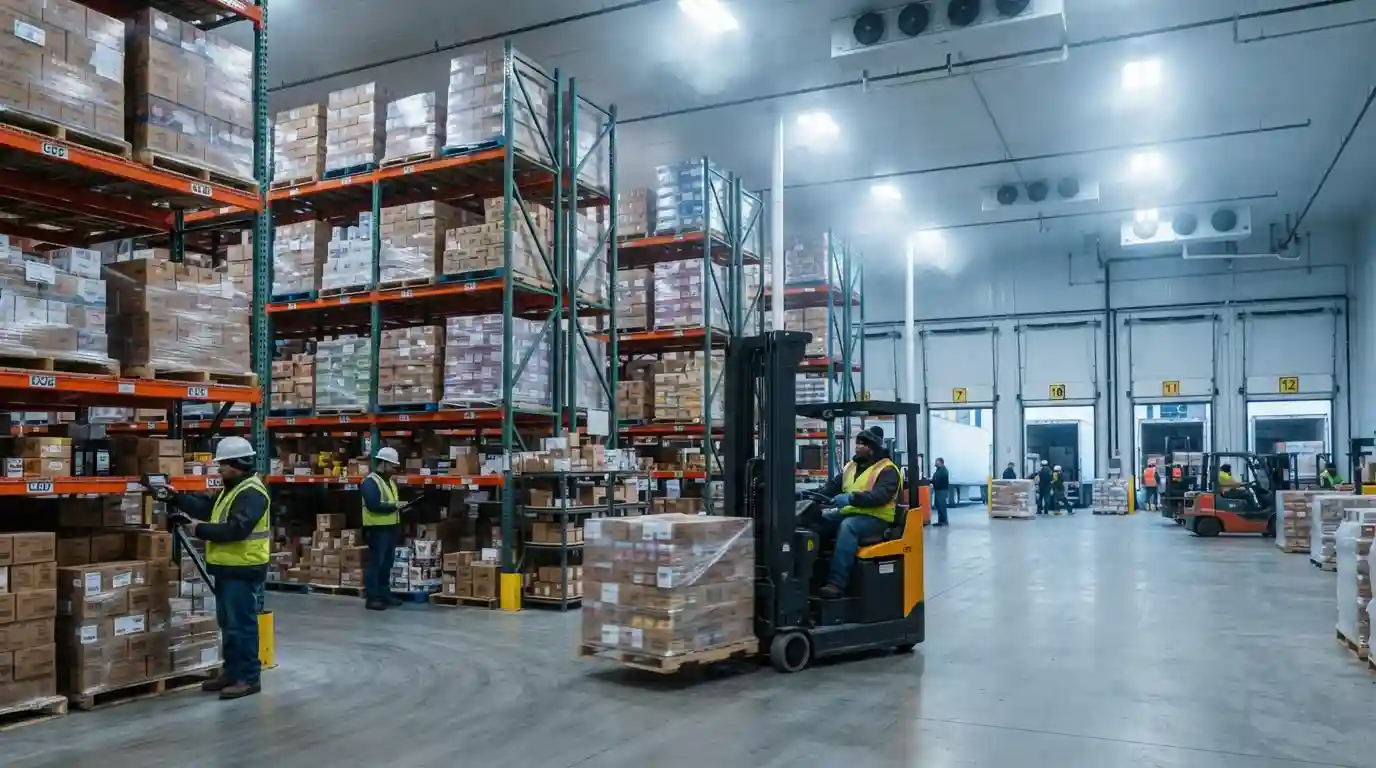
Americold is known for providing temperature-controlled logistics infrastructure and services across multiple stages of the cold chain. Its broader network includes facilities and solutions designed for producers, distributors, retailers, and other businesses that depend on controlled storage and reliable product movement.
For businesses researching cold storage in or around Logan, understanding how a facility-based logistics solution fits into the larger supply chain can make it easier to evaluate storage capacity, distribution requirements, transportation coordination, inventory handling, and operational efficiency.
What Is Americold Logistics Logan?
Americold Logistics Logan refers to the Logan-focused cold-storage and logistics topic surrounding temperature-controlled warehousing and supply chain operations. Rather than viewing cold storage as simply a place to keep products refrigerated or frozen, modern logistics treats the warehouse as one part of a connected system.
That system can involve receiving products, storing them under appropriate temperature conditions, managing inventory, preparing orders, coordinating transportation, and moving products toward their final destinations.
This broader approach is particularly important for food and other temperature-sensitive products because delays, poor inventory coordination, or inadequate temperature management can create operational and financial problems.
Why Cold Storage Matters in Modern Supply Chains
Cold storage plays a critical role whenever product quality depends on maintaining a controlled environment. Food producers, processors, distributors, retailers, and food-service businesses may need refrigerated, chilled, or frozen storage at different points in their distribution networks.
A well-organized cold-storage operation can help businesses separate inventory according to product requirements while coordinating warehouse activities with transportation schedules and customer demand.
This is especially important when supply chains become more complex. Businesses operating across multiple locations need to consider inventory positioning, delivery routes, warehouse capacity, order volumes, and seasonal demand instead of treating storage as an isolated activity.
The wider importance of efficient supply chains is also reflected in discussions about global economic shifts, where transportation, production, distribution, and changing consumer demand can influence how businesses plan their operations.
Key Cold Storage Considerations
Temperature Control
Temperature control is one of the defining characteristics of cold-chain logistics. Different products may require different environmental conditions, so businesses should understand their product-specific storage requirements before selecting a facility or distribution strategy.
Temperature management is not only about keeping a warehouse cold. It also involves coordinating receiving, storage, handling, order preparation, loading, and transportation so that products remain within their required conditions throughout the relevant stages of the journey.
Inventory Management
Inventory visibility is another important component of effective cold storage. Businesses need to know what products are available, where they are located, how quickly they are moving, and when they need to be replenished or distributed.
Strong inventory processes can support better forecasting and reduce unnecessary movement. They can also help businesses respond more effectively to demand fluctuations.
Supply chain operations are increasingly connected with technology, making the broader discussion around AI innovations relevant to companies exploring automation, forecasting, data analysis, and operational visibility.
Warehouse Capacity
Storage capacity should match the business’s current requirements while leaving room for realistic changes in demand. Businesses dealing with seasonal food products, promotions, expansion, or changing customer orders may experience significant variations in inventory volume.
Choosing a logistics partner therefore involves considering more than available pallet positions. Layout, temperature zones, receiving processes, order handling, transportation access, and operational workflows can all influence the usefulness of a cold-storage facility.
Supply Chain Services Beyond Storage
A major advantage of an integrated logistics approach is that storage can be connected with other supply chain activities. Instead of treating warehousing, transportation, and distribution as completely separate functions, businesses can evaluate how these activities work together.
For example, inbound shipments need to arrive at suitable times, products need to be received and stored efficiently, orders need to be prepared accurately, and outbound transportation needs to be coordinated with delivery requirements.
This interconnected model is similar to the operational principles discussed in logistics management careers, where planning, coordination, inventory movement, transportation, and operational decision-making all contribute to supply chain performance.
Businesses can also examine broader logistics infrastructure through resources such as Kyle 35 Logistics Park, which illustrates how strategically positioned logistics infrastructure can support distribution and commercial activity.
How Logistics Technology Can Improve Operations
Technology has become an increasingly important part of modern warehousing. Digital systems can help businesses organize inventory, monitor workflows, analyze demand, improve scheduling, and coordinate transportation.
Automation can also reduce repetitive manual tasks and improve consistency when properly designed around a company’s operational requirements. However, technology works best when it supports a clear supply chain strategy rather than being implemented simply because it is available.
Businesses exploring the technology side of operations can also review broader examples of business technology innovation and technology-driven business solutions to understand how digital tools are influencing modern operations.
Another relevant area is innovative technology solutions for businesses, particularly as companies increasingly connect operational systems with analy