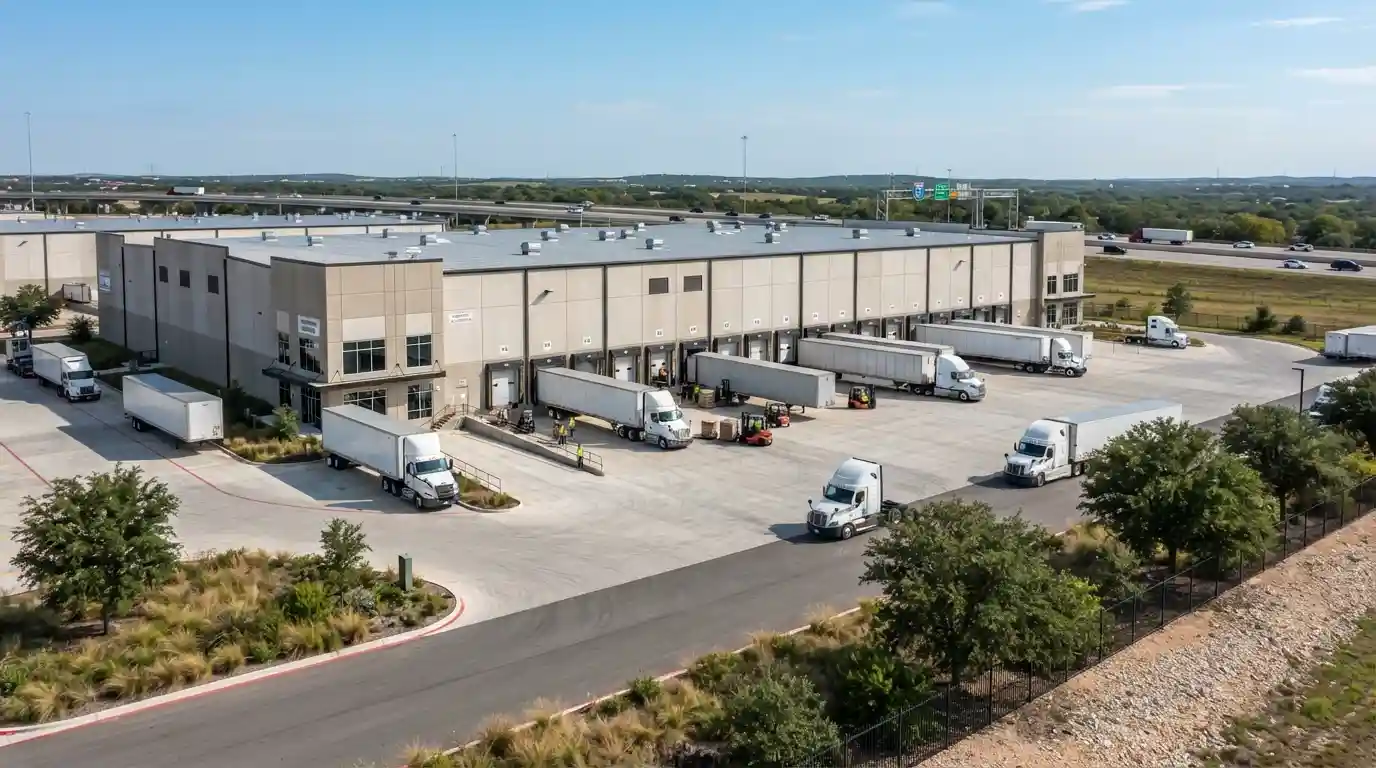
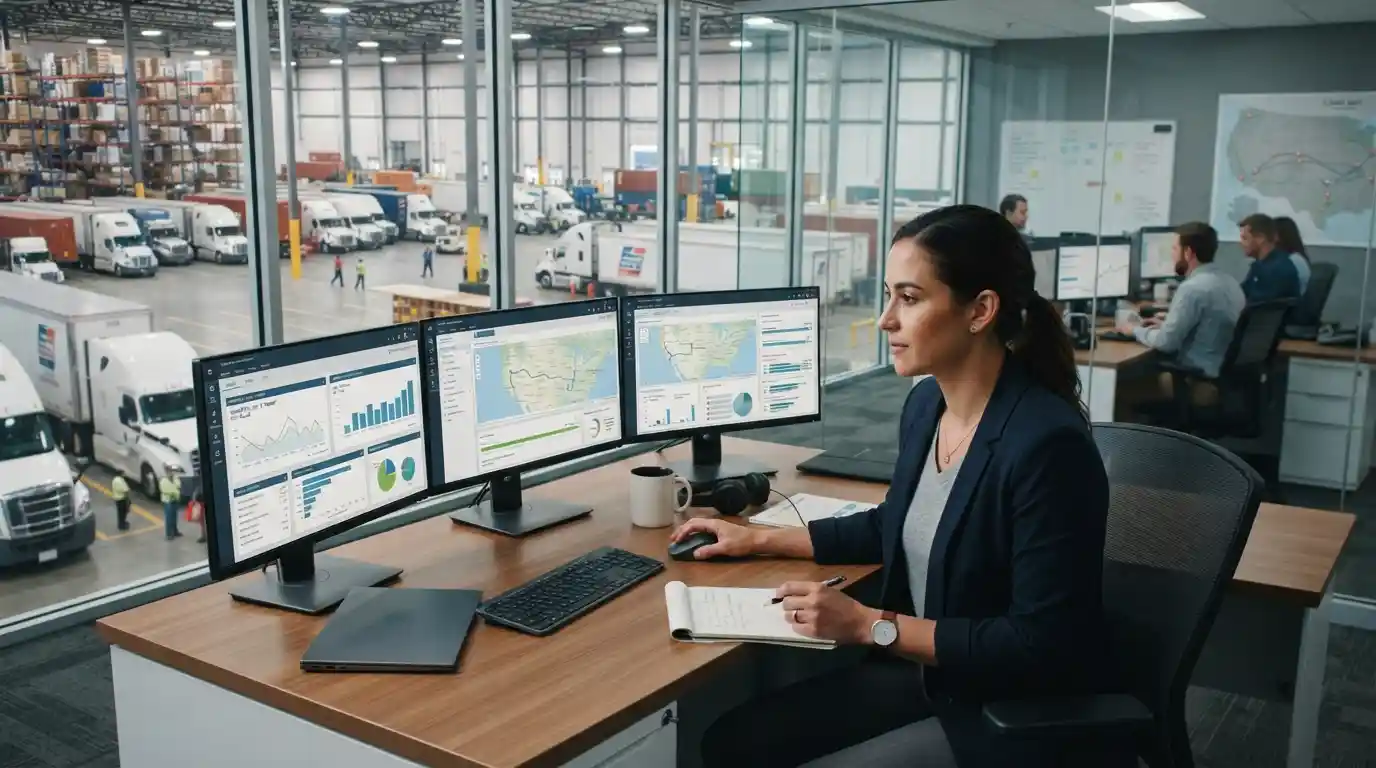
Cardinal Logistics Management is associated with a broad logistics environment where different professional skills can come together. From transportation operations and dispatching to customer service, administration, technology, and management, logistics careers can provide several potential paths for people at different stages of their working lives.
This guide explores what to know when considering a career in logistics management, including potential job areas, useful skills, career development, workplace expectations, and practical ways to prepare for opportunities in the industry.
Understanding Cardinal Logistics Management Careers
A logistics organization relies on much more than trucks and warehouses. Behind every successful delivery is a network of professionals coordinating schedules, transportation resources, customers, drivers, documentation, technology, and operational priorities.
That makes logistics management a diverse career field. Someone beginning in an entry-level operational position may eventually move toward supervision, account management, transportation planning, analytics, or broader management responsibilities.
Professionals researching logistics careers can also explore related areas such as logistics carrier setup, supply chain efficiency, and dedicated transportation and brokerage services to understand the wider industry.
Why Consider a Career in Logistics Management?
Logistics is an essential part of modern commerce. Manufacturers need raw materials, retailers need inventory, businesses need dependable transportation, and customers expect products to reach their destinations on time.
Because of this interconnected environment, logistics professionals can develop skills that are useful across transportation, supply chain management, operations, customer service, and business administration.
A logistics career may be particularly attractive to people who enjoy fast-paced environments, problem-solving, communication, organization, and coordinating multiple priorities at once.
1. Multiple Career Paths
Logistics companies require people with different strengths. Some employees focus on transportation operations, while others work with customers, technology, billing, compliance, scheduling, or management.
This variety means professionals do not necessarily have to remain in one narrow role throughout their careers.
2. Transferable Professional Skills
Logistics work can develop valuable skills such as communication, time management, data interpretation, negotiation, scheduling, problem-solving, and operational planning.
These abilities can also support career development in other business environments.
3. Exposure to Business Operations
Transportation and logistics professionals often see how different parts of a business interact. A shipment can involve customers, transportation providers, drivers, warehouses, technology systems, finance teams, and managers.
This broader operational exposure can help employees understand how businesses coordinate resources to achieve practical results.
Potential Career Areas in Logistics
When exploring Cardinal Logistics Management careers, it is useful to think beyond one specific job title. Logistics organizations can require employees across several functional areas.
Transportation Operations
Transportation operations professionals help coordinate the movement of goods. Their responsibilities may involve scheduling, tracking, communication, issue resolution, and operational coordination.
People who are comfortable making decisions under time pressure may find this area particularly interesting.
Dispatch and Coordination
Dispatch-oriented roles require strong organization and communication. Coordinators may need to monitor schedules, communicate changes, and help address unexpected transportation challenges.
Attention to detail can be especially important because small scheduling issues can affect several parts of a transportation network.
Customer Service and Account Support
Logistics is ultimately connected to customer expectations. Customer service and account professionals may communicate with clients, address concerns, provide updates, and help maintain long-term business relationships.
Strong written and verbal communication can therefore be a major advantage.
Logistics Analysis
Data has become increasingly important in transportation management. Analysts can examine operational information to identify trends, measure performance, and support better decision-making.
Professionals interested in analytics may also benefit from learning about broader data solutions and modern technology workflows.
Management and Leadership
Experienced logistics professionals can move toward supervisory and management responsibilities. Leadership positions may involve employee coordination, operational performance, customer relationships, resource planning, and process improvement.
Management candidates should combine industry knowledge with communication, decision-making, and leadership skills.
Skills That Can Help You Stand Out
Successful logistics professionals generally need a combination of technical knowledge and practical workplace skills. Employers may look for candidates who can stay organized while responding effectively to changing circumstances.
Communication
Transportation involves constant communication between different parties. Clear communication can reduce misunderstandings and help teams respond to problems quickly.
Organization
Logistics professionals may manage schedules, records, shipment information, customer requirements, and operational tasks simultaneously. Strong organizational habits can therefore make daily responsibilities easier to manage.
Problem-Solving
Delays, scheduling changes, capacity issues, and unexpected transportation problems can occur. Professionals who can identify practical solutions without losing focus can provide significant value.
Technology Skills
Modern logistics depends heavily on digital systems. Familiarity with spreadsheets, transportation-management platforms, communication tools, reporting systems, and business software can strengthen a candidate’s profile.
Technology-focused professionals can also explore related topics such as technology updates, software risks, and business technology innovation.
Education and Experience for Logistics Roles
Requirements can vary considerably depending on the position. Some operational roles may place greater emphasis on practical experience, communication, reliability, and organizational ability, while analytical or management positions may benefit from specialized education and industry experience.
Potentially useful educational backgrounds include business, supply chain management, logistics, transportation, operations, finance, information technology, and related disciplines.
However, education is only one part of a professional profile. Demonstrating real-world problem-solving ability, responsibility, teamwork, and familiarity with logistics processes can also be valuable.
How to Prepare for a Logistics Career
Preparation can make it easier to compete for logistics opportunities. Instead of applying randomly to every available position, candidates can build a profile around the type of logistics work they want to pursue.
Build a Targeted Resume
A strong resume should emphasize measurable responsibilities and relevant skills. Instead of simply stating that you worked in operations, explain the types of processes you managed, the teams you supported, or the problems you helped solve.
Professionals transitioning from another industry should highlight transferable skills such as scheduling, customer communication, inventory coordination, administration, data analysis, or team leadership.
Learn Industry Terminology
Understanding transportation and supply chain terminology can make interviews and workplace communication easier. Learn the basics of freight, carrier operations, dispatching, routing, delivery performance, warehousing, and transportation planning.
Understanding related carrier operations and shipping solutions can also provide useful context about how different logistics businesses operate.
Improve Your Digital Skills
Even candidates applying for operational roles can benefit from improving their computer skills. Spreadsheet knowledge, data organization, email communication, reporting, and familiarity with business applications can make a candidate more adaptable.
Develop Professional Communication
Logistics can involve customers, coworkers, transportation partners, and management. Practice communicating clearly, professionally, and concisely, particularly when explaining operational problems or providing status updates.
What Is the Work Environment Like?
Logistics environments can be dynamic because transportation schedules and customer requirements may change throughout the day. Professionals may need to prioritize urgent issues while continuing to complete routine responsibilities.
People who prefer structured but active workplaces may enjoy this type of environment. However, candidates should understand that logistics can also require flexibility, patience, and the ability to remain calm when plans change.
The wider transportation sector also connects with areas such as workforce mobility in logistics and global shipping operations.
Career Growth in Logistics Management
One of the strongest reasons to explore logistics management is the potential for professional progression. Employees who develop strong operational knowledge can gradually take on greater responsibilities.
A possible career progression could begin with an entry-level support or coordination role and eventually move toward senior coordination, supervision, account management, operations management, or broader leadership.
Career progression is not automatic, but employees who consistently demonstrate reliability, problem-solving ability, leadership, and operational knowledge can position themselves for greater responsibility.
How to Evaluate a Logistics Job Opportunity
Finding a logistics position is only the first step. Candidates should also evaluate whether a particular role fits their professional goals and working preferences.
Review the Responsibilities
Read the job description carefully. Look for information about scheduling, customer interaction, technology use, reporting, operational coordination, travel, working hours, and management responsibilities.
Consider the Required Skills
Compare the listed requirements with your current capabilities. If a position requires analytical skills, communication experience, or specific software knowledge, identify areas where additional preparation could improve your candidacy.
Think About Long-Term Development
A good career decision should consider more than the immediate position. Ask whether the role can help you gain skills that support your desired future career path.
Professionals interested in broader business growth can also learn from topics such as business growth strategies and revenue optimization.
Logistics Careers and the Future of Transportation
The logistics industry continues to evolve as businesses adopt new technology, improve transportation visibility, analyze operational data, and seek more efficient supply chain processes.
That evolution means future logistics professionals may increasingly need a combination of traditional operational knowledge and digital skills.
Automation, analytics, digital communication, and technology-enabled transportation systems can change how logistics teams perform everyday tasks. Candidates who remain willing to learn and adapt can be better positioned for a changing industry.
Tips for Building a Long-Term Logistics Career
- Develop strong communication and organizational habits.
- Learn the fundamentals of transportation and supply chain operations.
- Improve spreadsheet and data-management skills.
- Become comfortable with business technology.
- Look for opportunities to take on additional responsibilities.
- Build positive professional relationships with coworkers and managers.
- Track measurable achievements for future resumes and interviews.
- Stay informed about changes affecting logistics and transportation.
- Develop leadership skills before moving into management.
- Continue learning as logistics technology evolves.
Frequently Asked Questions
What types of careers are available in logistics management?
Logistics organizations can have opportunities in transportation operations, dispatching, customer service, account management, analytics, administration, technology, supervision, and management.
Do logistics careers require a college degree?
Requirements depend on the position. Some roles may prioritize experience and practical skills, while specialized analytical or management positions may benefit from relevant education.
What skills are important for logistics jobs?
Communication, organization, problem-solving, time management, teamwork, technology skills, and adaptability are useful across many logistics roles.
Can logistics be a long-term career?
Yes. Logistics can provide multiple professional paths, allowing experienced employees to move from operational positions into supervisory, analytical, account-management, or leadership roles.
Is logistics a good career for people who enjoy problem-solving?
It can be. Transportation environments frequently involve scheduling changes, operational challenges, customer requirements, and time-sensitive decisions, making problem-solving an important workplace skill.
Final Thoughts
Cardinal Logistics Management careers can be worth exploring for professionals who want to build experience in transportation, logistics, operations, customer service, analytics, or management. The field offers a variety of responsibilities and can provide opportunities to develop practical business skills.
The best approach is to identify the logistics area that matches your strengths, build the required skills, prepare a focused resume, and evaluate each opportunity based on its responsibilities and potential for professional development.
Whether you are entering the industry for the first time or looking to advance an existing logistics career, continuous learning, strong communication, operational awareness, and adaptability can help you build a stronger professional foundation.