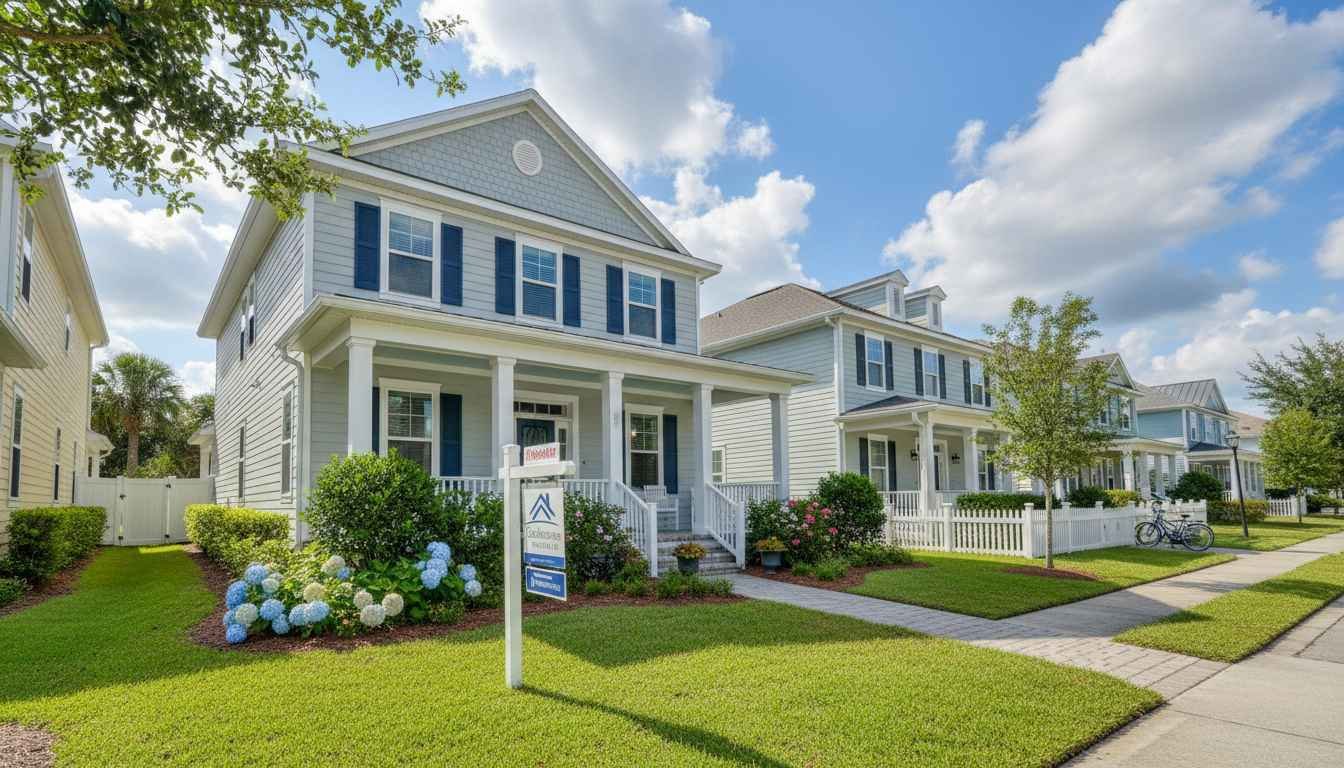

That is where owner financed land in NC can become an alternative worth exploring. In an owner-financed arrangement, the seller may provide financing directly to the buyer instead of requiring the buyer to obtain a conventional land loan from a bank. The terms can sometimes be more flexible, but buyers still need to evaluate the property, contract, interest rate, repayment structure, title, and legal obligations carefully.
If you are considering purchasing North Carolina land through seller financing, understanding how the process works can help you make a more informed decision.
What Is Owner Financing for Land?
Owner financing, also called seller financing, is a private financing arrangement in which the property seller agrees to receive payments from the buyer over an agreed period rather than receiving the entire purchase price at closing.
Instead of making payments to a traditional mortgage lender, the buyer makes payments according to the terms established in the purchase and financing documents. Depending on the transaction, the seller may retain a security interest in the property until the agreed obligations are satisfied.
This structure can be particularly useful for buyers who are purchasing vacant land because land loans can have different qualification requirements from conventional home mortgages.
Why Consider Owner Financed Land in NC?
There are several reasons a buyer might consider seller-financed land in North Carolina.
Potentially Flexible Qualification
Private financing may provide more flexibility than a conventional lender’s underwriting process. A seller may consider factors such as the buyer’s income, down payment, financial history, and overall ability to make the agreed payments.
That does not mean every owner-financed seller will approve every buyer. Sellers establish their own requirements, and many still request proof of income, identification, credit information, or a substantial down payment.
Flexible Negotiation
Because the financing arrangement is negotiated between the parties, buyers and sellers may have more room to discuss the down payment, interest rate, payment schedule, loan duration, and other terms.
Every agreement is different, so buyers should never assume that owner financing automatically means lower costs or easier terms.
Access to Land That May Not Fit Traditional Lending
Some vacant land does not fit the lending criteria of traditional banks. Factors such as limited development potential, unusual parcel characteristics, lack of utilities, access concerns, or the property’s intended use may affect conventional financing options.
Seller financing may provide another route to consider when a traditional land loan is unavailable or impractical.
What Types of Land Can Be Owner Financed?
Owner financing can potentially be used for different types of North Carolina property, depending on the seller and the terms of the transaction.
- Residential building lots
- Rural acreage
- Recreational land
- Wooded property
- Farm and agricultural acreage
- Investment parcels
- Land intended for future development
The intended use of the property matters. A parcel purchased for a future home may require a different evaluation from acreage intended for farming, recreation, commercial development, or long-term investment.
Buyers researching property opportunities can also learn from broader real estate topics, including real estate investment strategies and guides focused on finding suitable properties.
How Owner Financing for Land Typically Works
The exact process varies, but an owner-financed land purchase commonly follows several stages.
1. Find a Suitable Property
Start by identifying land that meets your intended use, budget, location preferences, and development requirements. Property research should go beyond the asking price.
Review the parcel’s size, road access, zoning, taxes, topography, utilities, surrounding properties, and potential restrictions before making a commitment.
For comparison, buyers can also explore other real estate opportunities and market considerations through resources such as real estate transaction guidance and dream property planning.
2. Negotiate the Purchase and Financing Terms
Once you find a suitable parcel, discuss both the purchase price and financing arrangement with the seller.
Important terms may include:
- Purchase price
- Down payment
- Interest rate
- Monthly payment
- Loan duration
- Payment due date
- Late-payment provisions
- Early payoff terms
- Default provisions
- Whether a balloon payment applies
Do not evaluate an offer solely on the monthly payment. A longer repayment period or balloon structure can significantly change the total amount you ultimately pay.
3. Conduct Property Due Diligence
Due diligence is one of the most important parts of buying land. Before closing, investigate whether the property can actually be used for your intended purpose.
Depending on the parcel, this may involve reviewing zoning requirements, road access, easements, flood risk, soil conditions, septic feasibility, utility availability, survey information, property taxes, and applicable restrictions.
If you are planning to build, questions about construction feasibility should be answered before signing an agreement that leaves you financially committed.
Related property and construction considerations can be explored through construction planning resources and property maintenance information.
4. Complete the Legal Documentation
Owner financing should be documented properly. Depending on the structure, the transaction may involve a purchase agreement, promissory note, deed, deed of trust or other security documentation, disclosures, and closing documents.
Because the legal and financial consequences can be significant, buyers should consider having a qualified North Carolina real estate attorney review the transaction before signing.
5. Make Payments According to the Agreement
After closing, the buyer must follow the agreed payment schedule. Keep records of every payment and maintain copies of all financing documents.
Buyers should also understand exactly what happens if a payment is missed, the property is sold, the loan is paid early, or the buyer wants to refinance later.
What Should You Check Before Buying Owner Financed Land?
A low purchase price does not necessarily make a parcel a good investment. Several property characteristics deserve close attention.
Access to the Property
Confirm that the property has legal and practical access. A parcel that appears inexpensive may create serious problems if access depends on an unclear easement or private road arrangement.
Zoning and Land Use
Determine what the local government permits on the property. If your goal is to build a house, verify that residential development is permitted and identify any applicable minimum lot size, setback, building, or use requirements.
Utilities
Check whether electricity, water, sewer, natural gas, or other services are available. Rural land may require wells, septic systems, alternative energy solutions, or significant utility extensions.
Future homeowners may also find it useful to consider property technology and efficiency topics such as home automation and home efficiency improvements when planning the eventual property.
Flooding and Drainage
Land that looks attractive during a dry season can present drainage or flooding concerns. Investigate flood maps, drainage patterns, wetlands, and site conditions before purchasing.
Property Taxes and Ongoing Costs
Consider annual property taxes, road maintenance, land clearing, surveying, insurance where applicable, utilities, security, and future development expenses.
How Much Down Payment Is Required?
There is no universal down-payment requirement for owner-financed land. The amount depends on the seller, property value, buyer’s financial position, negotiated terms, and perceived risk.
A seller may request a relatively large down payment to reduce the outstanding balance and protect against default. Another seller may offer different terms to attract qualified buyers.
When comparing offers, calculate the complete financial obligation rather than focusing only on the initial down payment.
Owner Financing vs. Traditional Land Loans
Traditional financing and owner financing each have potential advantages and disadvantages.
| Factor | Owner Financing | Traditional Land Loan |
|---|---|---|
| Financing source | Property seller | Bank or financial institution |
| Terms | Negotiated between buyer and seller | Based on lender requirements |
| Qualification | Determined by seller | Determined by lender underwriting |
| Flexibility | May be more customizable | Usually follows standardized lending criteria |
| Due diligence | Still essential | Still essential |
Neither option is automatically better. The right choice depends on the property, financing cost, buyer’s financial situation, and long-term plans.
Buyers evaluating different financing arrangements can also consider related financing topics, including alternative financing structures, financing and repossession considerations, and financial solution planning.
Potential Advantages of Owner Financed Land
- Potentially more flexible qualification requirements
- Direct negotiation with the seller
- Possible flexibility in payment structure
- An alternative when conventional land financing is difficult
- Potentially faster negotiation in some private transactions
- Opportunity to purchase property for future development or investment
These benefits depend entirely on the specific transaction. Buyers should compare the complete terms with other available financing options before committing.
Potential Risks to Consider
Owner financing also carries risks that buyers should understand.
Higher Interest Costs
A seller may charge an interest rate that is higher than some conventional financing options. Calculate the total repayment amount before agreeing to the terms.
Balloon Payments
Some owner-financed agreements require a large final payment after a shorter repayment period. If you cannot make that payment or obtain refinancing when it becomes due, you could face significant financial pressure.
Default Consequences
Understand the consequences of missed payments before signing. The contract should clearly explain payment defaults, late fees, remedies, and applicable rights.
Property Problems
Financing does not eliminate the need for property due diligence. A parcel can still have access, zoning, environmental, title, drainage, or development limitations.
Real estate buyers can compare these concerns with broader property investment considerations through property evaluation insights and real estate property perspectives.
Can You Build a House on Owner Financed Land?
Potentially, but purchasing land does not automatically mean you can build on it.
Before purchasing, determine whether the parcel meets local requirements for residential construction. Check zoning, minimum lot requirements, road access, septic or sewer availability, water supply, setbacks, building regulations, and any private restrictions.
If the financing agreement requires the seller to retain an interest in the property until the balance is paid, also determine whether the financing documents place any restrictions on construction or improvements.
Is Owner Financed Land a Good Investment?
Owner-financed land can be a useful investment in the right circumstances, but the financing structure alone does not determine whether the property will perform well.
Evaluate the location, purchase price, comparable land values, development potential, carrying costs, demand, access, zoning, and your expected holding period.
Investors should also distinguish between land purchased for immediate development and land purchased for long-term appreciation. Each strategy has different financial considerations.
For additional real estate strategy context, explore real estate investment strategy and