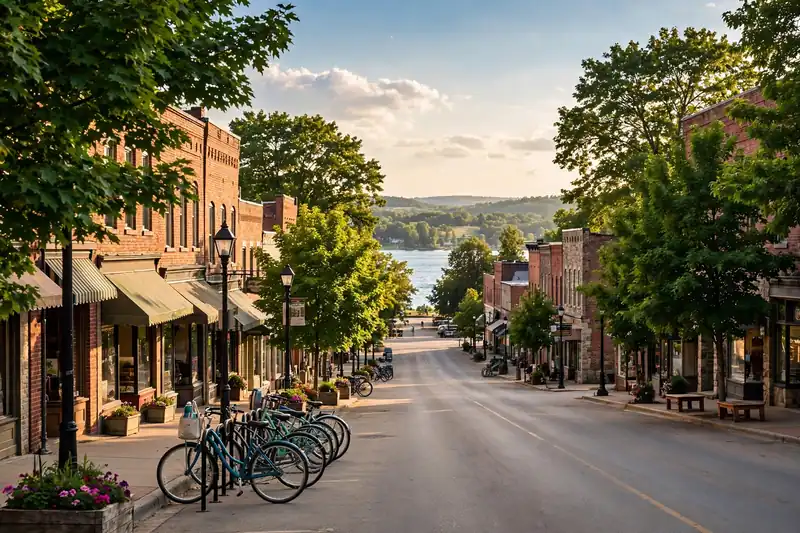
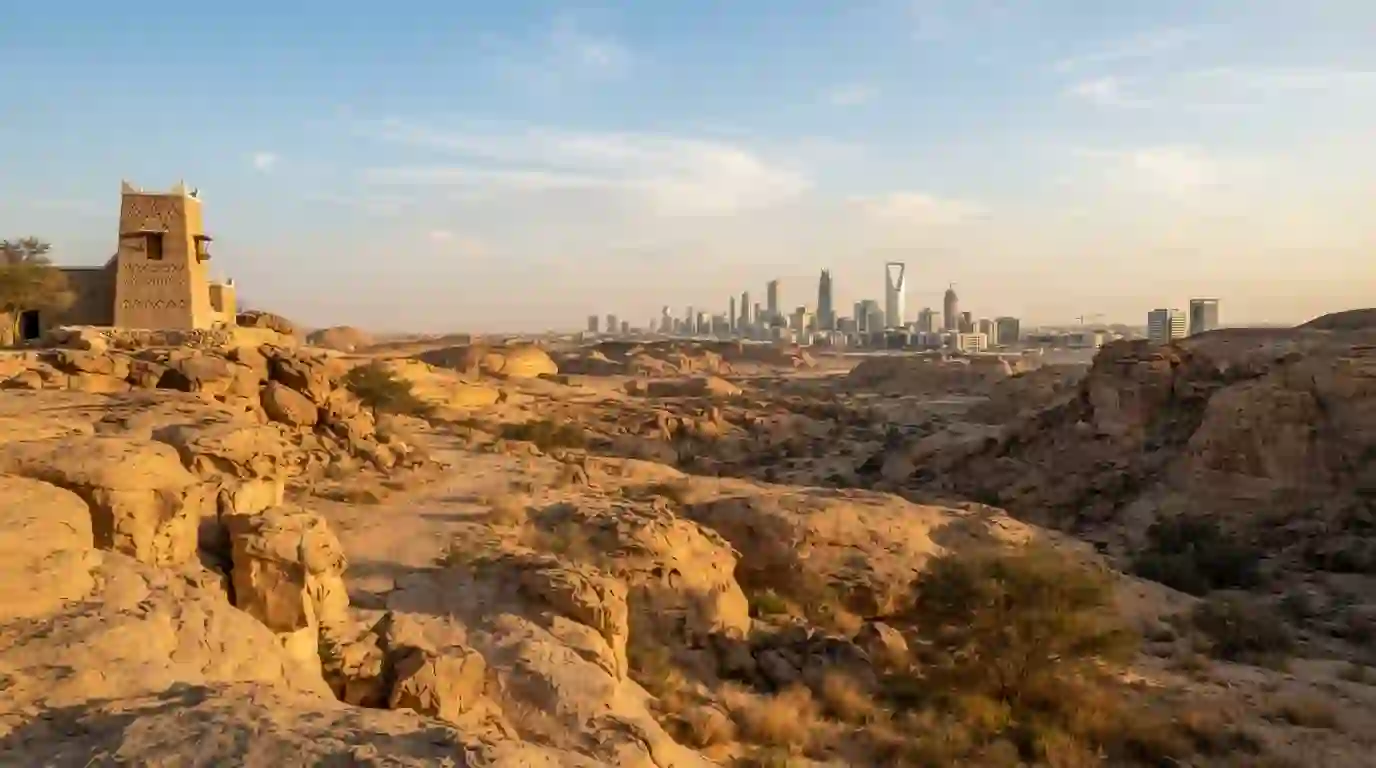
From the modern energy of Riyadh and the historic streets of Jeddah to the dramatic landscapes of AlUla and the mountain scenery of Abha, Saudi Arabia provides a wide range of travel experiences. Religious travelers may also plan visits around Makkah and Madinah, while nature lovers can explore the Red Sea, desert environments, mountains, and coastal areas.
This guide highlights some of the top destinations in Saudi Arabia and explains what makes each one worth considering for a future trip.
1. Riyadh – The Modern Heart of Saudi Arabia
Riyadh is one of the best places to visit in Saudi Arabia for travelers who want to experience the country’s modern side while still discovering its history and cultural identity. As the capital, Riyadh combines contemporary architecture, major shopping destinations, restaurants, museums, entertainment venues, and historic areas.
One of the city’s most interesting nearby destinations is Diriyah, an important heritage area associated with the origins of the Saudi state. Visitors can explore traditional architecture, cultural spaces, walking areas, restaurants, and restored historic surroundings.
Riyadh is also a practical starting point for exploring central Saudi Arabia. Travelers interested in modern city experiences can combine sightseeing with shopping, dining, cultural attractions, and evening entertainment.
If you enjoy comparing international destinations before planning a trip, you can also explore our guides to places to visit in Japan and the best places to visit in Europe.
2. Jeddah – Red Sea Coast and Historic Al-Balad
Jeddah is another major destination for travelers exploring Saudi Arabia. Located along the Red Sea, the city combines coastal scenery, contemporary attractions, restaurants, shopping areas, and a fascinating historic core.
The historic district of Al-Balad is particularly important for visitors interested in architecture and cultural heritage. Its traditional buildings, narrow streets, historic markets, and distinctive wooden window designs provide a very different experience from modern Jeddah.
Jeddah is also a useful destination for travelers interested in the Red Sea. Depending on their itinerary and activities, visitors can explore waterfront areas, enjoy coastal views, and discover the city’s food and cultural scene.
For travelers who enjoy coastal destinations, our guide to the top places to visit in the Florida Keys provides another example of how coastal environments can shape a travel itinerary.
3. AlUla – Ancient History and Dramatic Landscapes
AlUla is one of the most distinctive places to visit in Saudi Arabia. The region is known for its desert scenery, sandstone formations, ancient settlements, archaeological sites, and cultural heritage.
The area surrounding Hegra, also known as Mada’in Salih, is particularly notable for its monumental rock-cut tombs and Nabataean heritage. The landscape creates an unusual combination of natural scenery and ancient architecture that makes AlUla appealing to history enthusiasts, photographers, and adventure travelers.
Beyond archaeological attractions, visitors can experience dramatic rock formations, desert landscapes, cultural events, and outdoor activities. AlUla is especially attractive to travelers who want something different from a conventional city break.
If natural landscapes are an important part of your travel plans, you may also enjoy our guide to places to visit in Ladakh and Leh, another destination known for striking terrain and cultural heritage.
4. Makkah – A Major Religious Destination
Makkah is one of the most important destinations in Saudi Arabia and the holiest city in Islam. The city attracts Muslim pilgrims throughout the year, with particularly large numbers during Umrah and Hajj seasons.
The centerpiece of Makkah is Masjid al-Haram, home to the Kaaba. For Muslim travelers, a visit to Makkah is primarily a religious experience rather than a conventional sightseeing trip.
Travelers planning a visit should carefully check current pilgrimage requirements, permits, accommodation arrangements, transportation information, and seasonal regulations before traveling. Access to religious areas can vary according to local rules and pilgrimage periods.
5. Madinah – History, Spirituality and Islamic Heritage
Madinah is another deeply significant destination for Muslim travelers. The city has an important place in Islamic history and is home to Al-Masjid an-Nabawi, one of the most revered mosques in Islam.
Beyond its religious importance, Madinah offers opportunities to learn about early Islamic history and the development of the city. Travelers visiting for religious purposes should plan their itinerary around prayer times, accommodation, transportation, and applicable access regulations.
Because Makkah and Madinah are religious destinations, visitors should always respect local customs, religious practices, and current travel requirements.
6. Abha – Mountains and Cooler Scenery
Abha, in southwestern Saudi Arabia, offers a different side of the country. The city is associated with mountain scenery, higher elevations, traditional architecture, and a climate that can feel noticeably different from the hotter lowland areas.
The surrounding Asir region is attractive to travelers who enjoy mountains, viewpoints, local culture, and outdoor experiences. Green landscapes can appear in the region during favorable seasonal conditions, creating a contrast with the desert scenery commonly associated with Saudi Arabia.
Abha can be a strong choice for travelers looking for a quieter destination and a change from the major metropolitan centers.
Travelers interested in mountain destinations can also compare the experience with the best places to visit in Colorado or explore the dramatic landscapes highlighted in our Ladakh and Leh travel guide.
7. Taif – Mountains, Gardens and Seasonal Escapes
Taif is another popular destination in western Saudi Arabia, particularly for travelers seeking mountain scenery and a different atmosphere from the major lowland cities.
The city and surrounding area are associated with gardens, agricultural landscapes, mountain viewpoints, and seasonal attractions. Taif is also known for its rose-growing tradition, which has become an important part of the area’s cultural identity.
Its elevated location makes Taif an appealing option for travelers who want to experience a mountainous environment while remaining within western Saudi Arabia.
8. Dammam – Gateway to Saudi Arabia’s Eastern Coast
Dammam is an important city in Saudi Arabia’s Eastern Province and provides access to coastal attractions, parks, waterfront areas, shopping, and nearby destinations.
The city can work well as part of a broader Eastern Province itinerary. Travelers can also consider visiting nearby Al Khobar and Dhahran, creating a multi-city experience that combines beaches, dining, shopping, and modern urban attractions.
For visitors who enjoy combining several cities in one trip, our guide to places to visit in Madrid and Barcelona shows another example of planning a multi-city travel experience.
9. Al Khobar – Waterfront Experiences and Modern Attractions
Al Khobar is known for its waterfront setting, modern neighborhoods, restaurants, shopping opportunities, and relaxed atmosphere. The city is particularly suitable for travelers who enjoy a combination of coastal scenery and contemporary urban experiences.
The Corniche area is one of the city’s recognizable attractions, providing opportunities for waterfront walks and views across the Gulf. Al Khobar can also be combined with nearby Dammam and Dhahran for a broader Eastern Province itinerary.
10. The Empty Quarter – Desert Adventure
For travelers looking for a completely different experience, the Empty Quarter, or Rub’ al Khali, represents one of Saudi Arabia’s most extraordinary natural environments.
The enormous desert region is characterized by vast sand dunes and remote landscapes. Depending on the location and tour arrangements, desert experiences may include dune drives, photography, camping, and sunset or sunrise viewing.
Because desert environments can be remote and challenging, travelers should use experienced guides, carry adequate supplies, and pay close attention to weather and safety conditions.
11. The Red Sea Coast – Beaches and Marine Experiences
Saudi Arabia’s Red Sea coast is increasingly important for travelers interested in beaches, marine environments, diving, snorkeling, and coastal resorts.
The coastline offers a combination of clear waters, coral ecosystems, islands, beaches, and developing tourism destinations. Travelers interested in marine activities should choose operators carefully and consider seasonal sea conditions before booking excursions.
If beaches and coastal scenery are central to your travel preferences, you can also compare this type of trip with our guide to the top places to visit in the Florida Keys.
12. Diriyah – Heritage Near Riyadh
Diriyah deserves special attention for travelers staying in Riyadh. The historic area provides an opportunity to explore Saudi heritage, traditional architecture, cultural spaces, restaurants, and restored historic surroundings.
Its proximity to Riyadh makes Diriyah easy to incorporate into a city itinerary. Travelers interested in history can dedicate part of a day or evening to exploring the area and learning more about the origins of the Saudi state.
13. Jazan – Coastal and Cultural Experiences
Jazan, in southwestern Saudi Arabia, provides access to a different combination of coastal scenery, local culture, islands, and natural environments.
The region is particularly interesting for travelers who want to explore beyond Saudi Arabia’s most famous cities. Depending on the season and itinerary, visitors can discover coastal areas, local markets, traditional food, and nearby natural attractions.
14. Al Ahsa – Oasis Landscapes and Heritage
Al Ahsa offers an interesting combination of oasis landscapes, agriculture, traditional settlements, and cultural heritage. The region is particularly distinctive because of the contrast between its cultivated areas and the surrounding arid environment.
Visitors interested in history, local food, traditional markets, and slower-paced cultural experiences may find Al Ahsa especially rewarding.
How to Choose the Best Place to Visit in Saudi Arabia
The best destination depends heavily on the type of trip you want to create. Saudi Arabia is large, so trying to see everything in one short trip can result in a rushed itinerary.
For History and Heritage
Choose AlUla, Diriyah, Jeddah, Al Ahsa, or Madinah if historical and cultural experiences are your main priority.
For Modern City Life
Riyadh and Jeddah are strong choices for restaurants, shopping, entertainment, architecture, and contemporary urban experiences.
For Mountains
Abha and Taif are worth considering if you prefer elevated landscapes, viewpoints, cooler conditions, and mountain scenery.
For Beaches and Marine Activities
The Red Sea coast and Jeddah are natural choices for travelers interested in coastal experiences and marine activities.
For Desert Adventures
The Empty Quarter and other desert regions are ideal for travelers looking for dramatic dunes, remote landscapes, photography, and guided desert experiences.
For Religious Travel
Makkah and Madinah are the key destinations for Muslim travelers undertaking pilgrimage or religious visits. Always check the latest entry, permit, and seasonal requirements before traveling.
Best Time to Visit Saudi Arabia
For many travelers, the cooler months are more comfortable for sightseeing and outdoor activities. Late autumn, winter, and early spring can provide more pleasant conditions for exploring cities, archaeological areas, deserts, and outdoor attractions.
Summer can be extremely hot in many parts of the country, although conditions vary between coastal, mountainous, and inland areas. Travelers planning outdoor activities should consider heat, hydration, sun exposure, and the timing of excursions.
Seasonal travel planning is important in many destinations. For comparison, our guides to the best places to visit in spring and places to visit in winter for couples explore how seasonality can influence destination choices.
Travel Tips for Visiting Saudi Arabia
- Check current visa and entry requirements before booking your trip.
- Respect local customs, dress expectations, and religious practices.
- Plan outdoor activities around the weather, particularly during hotter months.
- Keep extra time in your itinerary when traveling between distant regions.
- Use reputable transportation and tour providers for remote desert or mountain excursions.
- For religious travel, check the latest pilgrimage and access requirements before departure.
- Carry sun protection and sufficient water when spending extended periods outdoors.
- Book popular accommodations and activities early during busy travel periods.
Travel planning can also benefit from comparing destinations by region. Readers exploring other international itineraries can find additional inspiration in our guides to the best places to visit in Brazil, the best places to visit in Amsterdam, places to visit in Eastern Europe, and places to visit in the UK.
Frequently Asked Questions
What are the best places to visit in Saudi Arabia for first-time travelers?
Riyadh, Jeddah, and AlUla are excellent starting points because they provide different experiences, including modern city life, coastal culture, and ancient heritage.
Is AlUla worth visiting?
Yes. AlUla is particularly appealing to travelers interested in archaeological sites, dramatic desert landscapes, ancient architecture, photography, and cultural experiences.
Which Saudi Arabian cities are best for history?
AlUla, Diriyah, Jeddah, Al Ahsa, Makkah, and Madinah each offer different historical or cultural experiences.
What is the best time to visit Saudi Arabia?
For many sightseeing and outdoor itineraries, the cooler months are generally more comfortable than the hottest part of summer. Exact conditions vary by region.
Can tourists visit Makkah and Madinah?
Travel and access rules differ according to religious status, pilgrimage periods, permits, and current regulations. Travelers should verify the applicable requirements before planning a visit.
Is Saudi Arabia suitable for family travel?
Yes. Major cities and tourism destinations offer a growing range of cultural, entertainment, outdoor, and family-oriented experiences. The best destination depends on the ages and interests of the travelers.
Final Thoughts
The best places to visit in Saudi Arabia depend on what you want from your journey. Riyadh is ideal for modern city experiences and heritage attractions, Jeddah combines Red Sea scenery with historic culture, and AlUla stands out for archaeological sites and dramatic landscapes. Abha and Taif offer mountain environments, while the Red Sea and Empty Quarter provide opportunities for coastal and desert adventures.
For Muslim travelers, Makkah and Madinah remain destinations of exceptional religious importance. Meanwhile, places such as Al Ahsa and Jazan can help travelers discover parts of Saudi Arabia that receive less international attention.
Rather than trying to cover the entire country at once, choose destinations that match your interests, travel season, available time, and preferred pace. With thoughtful planning, Saudi Arabia can offer a remarkably diverse travel experience that combines heritage, nature, culture, spirituality, and modern life.