
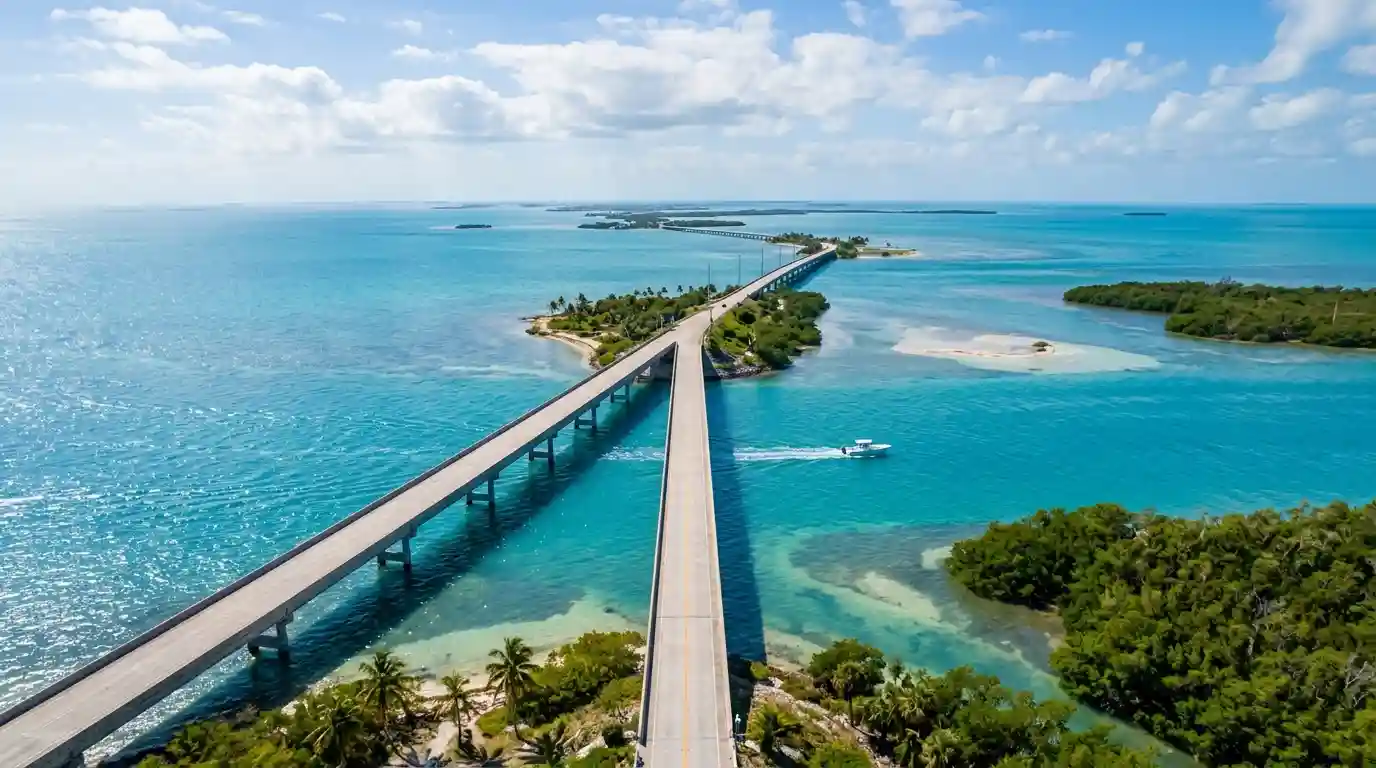
Each part of the Keys has something different to offer. Key Largo is famous for snorkeling and diving, Islamorada attracts anglers and boating enthusiasts, Marathon is a convenient family-friendly base, the Lower Keys offer peaceful natural landscapes, and Key West combines history, architecture, dining, and lively evenings.
If you are planning a Florida vacation, this guide explores the top places to visit in the Florida Keys, what makes each destination special, the best activities to consider, and practical tips to help you organize your trip.
1. Key West: Historic Streets, Sunset Views, and Island Culture
Key West is one of the most recognizable destinations in the Florida Keys. Located at the southern end of the Overseas Highway, this colorful island city is known for its historic homes, waterfront scenery, independent shops, seafood restaurants, and relaxed atmosphere.
Begin with a walk through Old Town, where pastel-colored buildings, tropical gardens, and wooden architecture create a distinctive setting. Duval Street offers restaurants, galleries, shops, and entertainment, while quieter residential streets provide a glimpse of the island’s architectural heritage.
Best things to do in Key West
- Visit the Ernest Hemingway Home and Museum: Explore the historic residence associated with the celebrated American author and its tropical gardens.
- Watch the sunset at Mallory Square: Arrive before sunset to enjoy the waterfront atmosphere and views across the Gulf of Mexico.
- See the Southernmost Point landmark: Visit the well-known buoy marker for a classic Key West photograph.
- Explore Fort Zachary Taylor Historic State Park: Combine a look at Civil War-era history with coastal scenery and swimming opportunities when conditions permit.
- Discover local food and art: Sample Key lime pie, explore galleries, and enjoy fresh seafood at restaurants throughout Old Town.
Key West is especially suitable for travelers who want a combination of sightseeing, history, dining, and nightlife. If you prefer to explore on foot, consider staying near Old Town and checking parking arrangements before booking accommodation.
2. Key Largo: Snorkeling, Diving, and Coral Reefs
Key Largo is the northern gateway to the Florida Keys and one of the best places in the region for underwater adventures. Its surrounding waters provide access to coral reefs, marine life, and protected aquatic environments.
John Pennekamp Coral Reef State Park is a major attraction for visitors interested in exploring the underwater world. Depending on weather and sea conditions, visitors can choose snorkeling excursions, scuba diving trips, glass-bottom boat tours, or kayaking in calmer waters.
What makes Key Largo special?
- John Pennekamp Coral Reef State Park: Explore a protected marine environment through permitted water-based activities.
- Florida Keys National Marine Sanctuary: Discover the importance of coral reefs, seagrass beds, and marine habitats.
- Glass-bottom boat tours: Observe underwater scenery without needing snorkeling equipment.
- Kayaking and eco-tours: Explore suitable coastal waterways and mangrove areas with responsible local operators.
Key Largo works well for visitors who want to spend much of their vacation on the water. Beginners should choose guided excursions appropriate to their swimming ability and experience. Reef visitors should avoid touching coral, standing on reef structures, or disturbing marine animals.
3. Islamorada: Sport Fishing and Waterfront Experiences
Islamorada is a collection of islands known for fishing, boating, waterfront restaurants, and a slower pace than busy tourist centers. It is a strong choice for couples, outdoor enthusiasts, and travelers who want to experience the Keys beyond traditional sightseeing.
Fishing opportunities vary by season and conditions, with offshore trips, backcountry excursions, and other guided experiences available through local charter operators. Visitors who are not interested in fishing can still enjoy the area’s scenic drives, galleries, small shops, and waterfront dining.
Top activities in Islamorada
- Book a fishing charter: Choose an experienced operator and confirm licensing, equipment, trip duration, and weather policies.
- Visit Robbie’s of Islamorada: This well-known waterfront stop is associated with tarpon viewing and feeding experiences, subject to current rules and availability.
- Explore the History of Diving Museum: Learn about diving equipment, underwater exploration, and the history of the sport.
- Enjoy waterfront dining: Look for restaurants serving locally available seafood and regional specialties.
- Visit nearby natural areas: Explore suitable trails and coastal scenery while respecting protected habitats.
Islamorada is also a good place to slow down during a longer road trip. Rather than rushing through the village, allow time for a boat excursion, lunch beside the water, and an evening enjoying the coastal views.
4. Bahia Honda State Park: Beautiful Beaches and Clear Water
Bahia Honda State Park is one of the most appealing outdoor stops in the Lower Keys. It is known for sandy beaches, shallow coastal water in suitable conditions, tropical vegetation, and views of the historic railroad bridge associated with the development of transportation through the Keys.
Because sandy beaches are less common in parts of the island chain, Bahia Honda can be a highlight for travelers seeking a traditional beach day. Visitors can swim where permitted, relax on the sand, take photographs, and enjoy the park’s coastal scenery.
Things to know before visiting
- Arrive early during busy periods because parking and beach access can become limited.
- Check park alerts, swimming conditions, and available facilities before traveling.
- Bring sun protection, drinking water, and suitable footwear.
- Follow posted swimming guidance and avoid entering the water during unsafe conditions.
Bahia Honda is particularly attractive to families, photographers, and road-trippers who want to break up the drive between Marathon and Key West.
5. Marathon: A Convenient Base for Families
Marathon sits near the middle of the Florida Keys and provides access to beaches, marine attractions, boating, and family-oriented activities. Its location makes it useful for travelers who want to explore different sections of the island chain without driving to Key West every day.
One of the area’s best-known conservation attractions is The Turtle Hospital, a rehabilitation facility that focuses on injured sea turtles. Guided educational visits can help visitors understand the threats these animals face and the work involved in their recovery.
Best places and activities in Marathon
- Sombrero Beach: Spend time beside the water, enjoy the outdoor setting, and check current beach facilities before arriving.
- The Turtle Hospital: Learn about sea turtle rescue and rehabilitation through an organized visit.
- Dolphin Research Center: Explore educational programs focused on dolphins and other marine mammals, subject to current offerings.
- Old Seven Mile Bridge: Enjoy the views and check access arrangements for walking or cycling on the restored historic section.
- Crane Point Hammock: Discover local nature trails, vegetation, and regional history where visitor access is available.
Marathon is a practical choice for families because it offers a balance of outdoor recreation and educational attractions. Book timed tours in advance when required, and check age restrictions and accessibility details for individual activities.
6. Dry Tortugas National Park: A Remote Island Adventure
Dry Tortugas National Park is one of the most unusual destinations associated with the Florida Keys. Located approximately 70 miles west of Key West, the remote park features historic Fort Jefferson, clear surrounding waters, coral habitats, and opportunities to observe marine life and birds.
Getting there requires advance planning because the park is accessible by boat or seaplane rather than by road. Transportation options have different schedules, costs, baggage policies, and reservation requirements, so check the current arrangements before building your itinerary around a visit.
Highlights of Dry Tortugas National Park
- Fort Jefferson: Explore the historic coastal fort and learn about its military and maritime significance.
- Snorkeling: Discover underwater scenery in designated areas when weather and water conditions are suitable.
- Birdwatching: Look for seabirds and migratory species while respecting nesting and protected areas.
- Remote island scenery: Enjoy the unusual combination of historic masonry, open water, and isolated beaches.
A trip to Dry Tortugas generally requires a full day, and overnight camping involves additional arrangements and permits where available. Bring essential supplies and follow all park instructions because services are limited compared with destinations on the main island chain.
7. Big Pine Key: Wildlife and a Quieter Side of the Keys
Big Pine Key offers a more nature-focused experience than the busier parts of the Florida Keys. It is known for its pine rocklands, coastal habitats, and the endangered Key deer, a small subspecies of white-tailed deer native to the region.
The National Key Deer Refuge protects important habitat for these animals and other wildlife. Visitors may be able to observe deer from public roads and designated areas, particularly during quieter periods, although sightings are never guaranteed.
Responsible ways to explore Big Pine Key
- Watch wildlife from a safe distance without approaching or feeding animals.
- Drive slowly and remain alert for deer crossing roads.
- Use designated trails and respect signs indicating restricted access.
- Consider a guided kayaking or nature tour to learn about local ecosystems.
Big Pine Key is ideal for travelers who appreciate peaceful surroundings, wildlife photography, and outdoor exploration. It also provides a welcome contrast to the restaurants and entertainment found in Key West.
8. Looe Key Reef: An Underwater World Worth Exploring
Looe Key is a popular reef destination in the Lower Keys, particularly for snorkelers and scuba divers seeking colorful marine habitats. The reef is part of the protected marine environment surrounding the island chain and supports a variety of fish and other underwater life.
Most visitors reach suitable reef sites through organized boat excursions. Before booking, confirm the trip’s duration, required swimming ability, equipment availability, and cancellation arrangements.
How to enjoy Looe Key responsibly
- Choose a licensed or appropriately qualified operator with a strong safety briefing.
- Use reef-safe practices and follow local guidance on sunscreen and marine protection.
- Never touch coral, chase fish, or remove shells and marine life from protected areas.
- Check visibility, currents, and weather conditions before entering the water.
Looe Key is best suited to travelers who want to experience the Keys’ marine environment rather than spend the entire trip on land. Non-divers can often enjoy the scenery from a boat or select a guided snorkeling trip appropriate to their abilities.
9. Pigeon Key: A Small Island with Railroad History
Pigeon Key offers a fascinating look at the engineering history behind transportation through the Florida Keys. The small island is associated with the workers who helped construct Henry Flagler’s Overseas Railroad in the early twentieth century.
Today, visitors can learn about the railroad project and the challenging conditions involved in building a route across open water. Historic structures and island surroundings make it a worthwhile stop for travelers interested in architecture, engineering, and local history.
Access methods and tour arrangements may vary, so check current visitor information before setting out. Pigeon Key can be a useful addition to a Marathon-area itinerary, especially for travelers who want a break from water sports and beach activities.
10. Key Largo’s African Queen: A Piece of Movie History
The African Queen is a historic vessel associated with the classic film of the same name starring Humphrey Bogart and Katharine Hepburn. The boat has become a distinctive attraction for visitors interested in cinema history and maritime heritage.
Depending on current operations, visitors may be able to experience the vessel through scheduled excursions or other organized offerings. Confirm operating arrangements, departure details, and booking requirements before planning a visit.
This attraction adds variety to a Key Largo trip, particularly for couples, film enthusiasts, and travelers who want an experience beyond snorkeling and diving.
11. Fort Zachary Taylor Historic State Park: History Meets the Coast
Located near the southern end of Key West, Fort Zachary Taylor Historic State Park combines military history with a coastal recreation area. The historic fort offers insight into the island’s strategic importance, while the surrounding grounds provide scenic walking opportunities and access to a popular swimming beach when conditions permit.
Visitors can explore the fort, enjoy coastal views, and spend time outdoors without leaving Key West. It is an excellent option for people who want to balance the city’s historic streets and restaurants with a quieter stretch of shoreline.
Check current entrance fees, park hours, swimming conditions, and any temporary restrictions before visiting. Bring water and sun protection, particularly during warmer months.
12. Overseas Highway: The Scenic Road Trip Itself
The Overseas Highway is more than a route between destinations. It is one of the defining experiences of a Florida Keys vacation, connecting islands through a sequence of bridges, coastal stretches, and waterfront communities.
Driving south from the mainland allows travelers to experience the changing character of the Keys, from Key Largo’s underwater attractions to Islamorada’s fishing culture, Marathon’s family-friendly activities, and Key West’s historic streets.
Tips for a memorable drive
- Allow enough time: Traffic, stops, weather, and seasonal congestion can make the journey longer than expected.
- Plan your overnight stays: Consider spending nights in Key Largo, Islamorada, Marathon, or Key West instead of completing the route in one rushed day.
- Use designated parking areas: Do not stop on bridges or narrow shoulders for photographs.
- Check road conditions: Weather, crashes, maintenance, and temporary restrictions may affect travel.
- Enjoy the journey responsibly: Choose safe places to stop and never use a phone while driving.
The Overseas Highway works particularly well for visitors who enjoy scenic drives and flexible itineraries. Travelers who want to explore more of the state can also use our guide to the best places to visit in Florida to consider additional destinations before or after their Keys trip.
Best Time to Visit the Florida Keys
The Florida Keys have a warm climate throughout much of the year, but seasonal weather can influence prices, crowds, and outdoor activities. The right time to visit depends on whether you prioritize comfortable sightseeing weather, lower accommodation costs, or specific marine experiences.
Winter: December through February
Winter is popular with visitors seeking warm weather while much of the mainland United States is cold. Conditions are often suitable for sightseeing, boating, and outdoor dining, although accommodation can be expensive and popular locations can be busy. Reserve lodging and boat excursions early when traveling during peak periods.
Spring: March through May
Spring can offer pleasant conditions for road trips, snorkeling, fishing, and exploring the islands. Spring-break periods may bring higher demand in certain locations, so compare dates before booking. This season is also a good time to combine the Keys with other destinations covered in our guide to places to visit in spring.
Summer: June through August
Summer brings warm temperatures, humidity, and opportunities for water-based activities, but afternoon storms and heat require preparation. This period also falls within the Atlantic hurricane season. Check forecasts, park notices, and travel policies, and keep flexible plans if severe weather is possible.
For more warm-weather travel ideas, explore our guides to the best places to visit in the USA during summer and summer destinations along the East Coast.
Fall: September through November
Fall can bring quieter periods and opportunities to compare accommodation prices, although weather risks remain important. September and October fall within the Atlantic hurricane season, so travelers should monitor official forecasts and understand cancellation policies. Later fall can be appealing for visitors who prefer a more relaxed pace.
If you enjoy autumn travel more broadly, our guides to the best places to visit in the United States in fall and New Jersey destinations during fall offer additional seasonal inspiration.
How Many Days Do You Need in the Florida Keys?
The ideal length of your trip depends on how many islands you want to explore and whether you plan to include boat excursions. A quick visit can cover a few highlights, but a longer stay makes it easier to appreciate the differences between the Upper Keys, Middle Keys, Lower Keys, and Key West.
- One day: Choose one main area or plan a focused drive with a few stops. A round trip from Miami to Key West in one day can be tiring.
- Two to three days: Focus on Key Largo, Islamorada, or Key West, with time for one major activity.
- Four to five days: Visit several parts of the island chain, spend time at a beach, and include a boat trip or historic attraction.
- A week or longer: Explore at a relaxed pace, stay in more than one area, and consider a full-day excursion to Dry Tortugas National Park.
For a wider itinerary, travelers can compare the Keys with other US destinations such as places to visit near Fort Lauderdale Airport or use our guide to cool places to visit across the United States to plan a longer vacation.
Practical Travel Tips for Visiting the Florida Keys
1. Decide where to stay
Key Largo is convenient for underwater activities and access from mainland Florida. Islamorada is well suited to fishing and waterfront dining. Marathon provides a central base for families and road-trippers, while Key West is ideal for historic attractions, restaurants, and nightlife. The Lower Keys are a better fit for travelers seeking quieter natural surroundings.
2. Budget for activities and transportation
Accommodation, parking, boat trips, park admission, equipment rentals, and dining can add up. Compare the full cost of excursions rather than looking only at the advertised starting price. Some activities require reservations or have limited daily capacity.
3. Protect yourself from the sun
Use suitable sun protection, drink water regularly, and schedule strenuous outdoor activities during cooler parts of the day when possible. A hat, sunglasses, and lightweight clothing can make sightseeing more comfortable.
4. Respect wildlife and fragile habitats
Coral reefs, mangroves, seagrass beds, and wildlife refuges are important parts of the Keys ecosystem. Follow local regulations, use designated access points, and never feed or handle wild animals.
5. Monitor weather and marine conditions
Weather can affect boat departures, snorkeling visibility, road travel, and beach access. Check reliable forecasts before water activities, follow operator guidance, and keep backup plans for rainy days.
6. Reserve popular experiences early
Guided reef trips, Dry Tortugas transportation, historic tours, and sought-after accommodation can fill up, especially during busy travel periods. Confirm cancellation terms and arrive at departure points with enough time to check in.
Explore More US Travel Destinations
If you are extending your vacation beyond the Florida Keys, these additional destination guides can help you compare scenery, seasons, and travel styles:
- Best places to visit on the US East Coast for travelers planning a wider regional trip.
- Places to visit in South Carolina for couples for coastal escapes and romantic travel ideas.
- Places to visit in Texas during summer for another warm-weather US itinerary.
- Places to visit in California during summer for coastal drives and outdoor attractions.
- Places to visit in New Mexico during summer for desert landscapes and cultural experiences.
- Best places to visit in San Diego County for beaches and Southern California sightseeing.
- Best places to visit in New York State for a different mix of cities, nature, and small towns.
- Top places to visit in Nashville, Tennessee for music, food, and city experiences.
- Places to visit in New England during summer for coastal towns and scenic outdoor trips.
Frequently Asked Questions
What is the best place to visit in the Florida Keys?
Key West is a strong choice for history, dining, sunsets, and nightlife. Key Largo is excellent for snorkeling and diving, Islamorada is popular for fishing, Marathon suits many families, and Bahia Honda State Park is a highlight for beach scenery.
Are the Florida Keys suitable for families?
Yes. Families can enjoy beaches, wildlife education, boat tours, nature trails, and historic attractions. Marathon is a convenient base for several family-friendly activities, but parents should check age requirements and water-safety guidance for individual excursions.
Can you visit the Florida Keys without a car?
Yes, particularly if you stay in one area such as Key West and arrange transportation for specific excursions. However, a car provides greater flexibility for exploring multiple islands. Compare local transportation, tour transfers, and parking costs before deciding.
How long does it take to drive from Miami to Key West?
The drive commonly takes around three and a half to four hours without extended stops, but traffic, weather, and congestion can increase travel time. Allow extra time for sightseeing and avoid planning a packed schedule around the shortest estimated drive.
What is the best time of year to visit the Florida Keys?
Winter and spring are popular for comfortable outdoor activities, while summer and fall may offer different crowd levels and prices. The Atlantic hurricane season runs from June through November, so travelers should check forecasts and maintain flexible arrangements during that period.
Is Dry Tortugas National Park worth visiting?
It can be an exceptional experience for travelers interested in remote islands, historic Fort Jefferson, snorkeling, and birdwatching. Because access requires a boat or seaplane and usually takes a full day, confirm transportation and park arrangements well in advance.
What should I pack for a Florida Keys vacation?
Pack lightweight clothing, comfortable walking shoes, swimwear, sun protection, a reusable water bottle, and any personal items required for boating or snorkeling. If you plan outdoor excursions, consider a waterproof bag and clothing suitable for sudden rain.
Final Thoughts
The Florida Keys offer far more than a scenic drive. From Key Largo’s coral reefs and Islamorada’s fishing culture to Marathon’s family attractions, Big Pine Key’s wildlife, Bahia Honda’s beaches, and Key West’s historic charm, the island chain offers experiences for a wide range of travelers.
For the best experience, choose a few destinations that match your interests instead of trying to see everything in a hurry. Allow time for the drive, reserve important excursions, respect the natural environment, and keep an eye on weather conditions. With thoughtful planning, a Florida Keys vacation can combine relaxation, adventure, history, and some of Florida’s most memorable coastal scenery.