
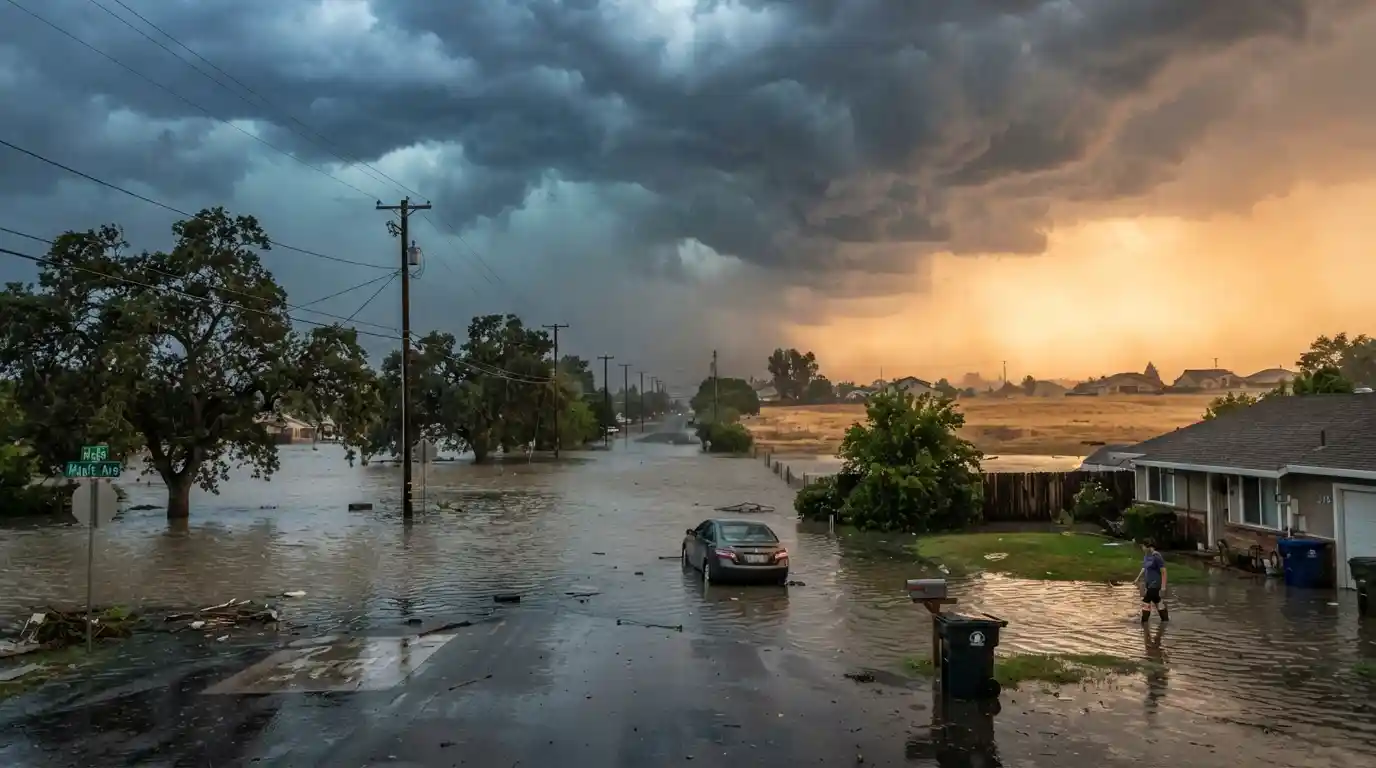
Extreme weather is becoming a bigger concern for communities, travelers, businesses, and families across the United States. Heat waves, intense rainfall, flooding, drought, wildfires, severe storms, and other weather extremes can disrupt everyday life and create significant risks for people, infrastructure, and local economies.
Climate change does not mean that every individual storm, flood, heat wave, or cold snap is caused by global warming. Weather events have always occurred naturally. The important issue is that a warming climate can change the conditions in which these events develop, making some types of extremes more frequent, more intense, longer-lasting, or more damaging.
This guide explains the connection between extreme weather and climate change, the major types of weather risks to understand, how they can affect communities, and practical ways to become better prepared.
What Is Extreme Weather?
Extreme weather refers to weather conditions that are unusually severe compared with what is normally experienced in a particular location or season. What qualifies as extreme can vary considerably from one region to another.
For example, a temperature that is ordinary in the desert Southwest could be dangerous in a region that rarely experiences extreme heat. Similarly, a few inches of rain may be manageable in one area but capable of producing serious flooding somewhere with saturated soil, poor drainage, or low-lying terrain.
Common forms of extreme weather include:
- Extreme heat and prolonged heat waves
- Heavy rainfall and flash flooding
- Severe thunderstorms
- Hurricanes and tropical storms
- Drought
- Wildfires and extreme fire-weather conditions
- Extreme winter storms and heavy snow
- Strong winds and damaging storm systems
Understanding these different hazards is important because climate change does not affect every type of extreme weather in exactly the same way.
How Does Climate Change Affect Extreme Weather?
The climate system provides the background conditions in which weather develops. When average temperatures rise, those conditions change.
One important effect of warming is that warmer air can hold more moisture. When atmospheric conditions provide the right ingredients for rainfall, that additional moisture can contribute to heavier precipitation. This can increase the risk of intense rainfall and flooding in vulnerable locations.
At the same time, higher average temperatures increase the likelihood of extreme heat. Heat waves can become more frequent, last longer, and reach higher temperatures, creating additional risks for human health, agriculture, energy systems, and transportation.
The relationship is more complicated for other hazards. Climate change can influence drought conditions, wildfire risk, coastal flooding, and some aspects of tropical storms, but the exact influence varies by location and event. Natural climate variability also remains an important factor.
Extreme Heat Is One of the Most Important Risks
Extreme heat is one of the clearest ways a warming climate can affect everyday life. A gradual increase in average temperature may appear modest, but it can substantially increase the probability of unusually hot days and prolonged heat waves.
Extended periods of high temperatures can put stress on the human body, especially when nighttime temperatures remain elevated and people have limited opportunities to cool down.
Heat can also affect:
- Electricity demand as air-conditioning use increases
- Roads, bridges, railways, and other infrastructure
- Agricultural productivity
- Outdoor work and recreation
- Water supplies
- Travel plans and tourism activities
Travelers should consider local heat conditions when planning outdoor activities. This is particularly important for destinations that already experience hot summers. If you are researching seasonal travel options, guides such as the best places to visit in the USA this summer can be useful starting points, but weather conditions should always be considered alongside attractions and activities.
Why Heavy Rainfall and Flooding Matter
Climate change can increase the potential for heavier precipitation events in many areas. This does not necessarily mean that every location will receive more total rainfall over an entire year. Instead, precipitation can become more concentrated into intense events.
Heavy rainfall can overwhelm drainage systems, saturate soil, raise rivers, and produce dangerous flash flooding. Urban areas can be particularly vulnerable because paved surfaces prevent water from naturally soaking into the ground.
Flooding can damage homes, businesses, roads, vehicles, electrical systems, and communication networks. It can also disrupt travel well beyond the area that receives the heaviest rain.
Anyone planning a trip should pay attention to flood alerts, especially when visiting mountainous areas, coastal communities, river valleys, or destinations prone to intense seasonal rainfall. For example, travelers researching places to visit near Olympic National Park should consider seasonal rainfall, road conditions, and local weather warnings when planning outdoor activities.
Drought and Water Stress
Extreme weather is not always about too much water. Extended periods of unusually low precipitation can create drought conditions that affect communities, agriculture, ecosystems, and water supplies.
Higher temperatures can make drought impacts more severe because warmer conditions can increase evaporation and place additional demand on available water resources.
Drought can affect food production, increase wildfire risk, reduce water availability, and create economic pressure for communities that depend heavily on agriculture or water-intensive industries.
Some travel destinations may also experience restrictions or changes to outdoor activities during prolonged dry periods. Travelers interested in destinations such as Montana, New Mexico, or Colorado should consider seasonal weather conditions before planning hiking, camping, or other outdoor activities.
Wildfires and Extreme Fire Weather
Wildfires have always occurred in many ecosystems, and natural factors such as lightning play an important role. Human activity can also start fires. However, climate conditions can influence how easily vegetation dries out and how favorable conditions become for rapid fire growth.
Hotter temperatures, prolonged dry periods, and low humidity can increase fire-weather concerns in susceptible regions. When strong winds occur at the same time, fires can spread rapidly and create dangerous conditions.
Wildfires can affect communities far beyond the immediate fire zone. Smoke can travel long distances, reducing air quality and visibility. Roads may close, flights can be disrupted, and tourism businesses can experience cancellations.
This makes wildfire awareness particularly important for people visiting western destinations during periods of elevated fire risk. Anyone considering Southern California during summer or California summer destinations should monitor local conditions rather than assuming that typical seasonal patterns will remain unchanged.
Hurricanes and Coastal Weather Risks
Hurricanes are complex systems influenced by ocean temperatures, atmospheric conditions, wind patterns, and natural climate variability. Climate change does not simply mean that every hurricane becomes stronger.
However, warming oceans and a warmer atmosphere can create conditions that influence several aspects of tropical cyclone behavior. Heavy rainfall associated with tropical systems can also become a major concern because warmer air can hold more moisture.
Coastal communities face additional risks from storm surge, heavy rainfall, high winds, and rising sea levels. These hazards can combine during major storms, increasing the potential for flooding and infrastructure damage.
Travelers should be particularly careful when visiting coastal destinations during hurricane season. If you are researching the Florida Keys, Florida, or Pigeon Forge, check seasonal forecasts and emergency information before and during your trip.
Extreme Winter Weather Can Still Happen
A warming climate does not eliminate winter storms or heavy snowfall. Cold outbreaks and major snow events can still occur, sometimes causing significant disruption.
Climate change can alter atmospheric and oceanic conditions that influence winter weather, but individual snowstorms depend on many factors. This is why a single major snowstorm should not be treated as proof that the climate is cooling or warming by itself.
Winter travel can become particularly difficult when heavy snow, ice, freezing temperatures, and strong winds occur together. Roads can become hazardous, flights can be delayed, and outdoor attractions may close temporarily.
Travelers planning seasonal trips can compare destinations using guides such as Wisconsin winter destinations, East Coast winter destinations, and Minnesota winter destinations, while also checking current weather conditions closer to departure.
Why Extreme Weather Creates Bigger Economic Risks
The effects of extreme weather extend far beyond immediate property damage. Major events can interrupt transportation, supply chains, tourism, agriculture, energy production, construction, and local businesses.
When roads or airports close, businesses may lose access to customers and employees. When electricity systems are damaged, households and companies can face extended interruptions. Agricultural losses can affect food prices and regional economies.
Climate-related disruptions can therefore contribute to broader economic challenges. Understanding these connections is important when considering the global economic shifts shaping current trends.
Insurance is another important part of the financial picture. Repeated exposure to floods, hurricanes, wildfires, storms, or other hazards can affect insurance availability and costs. Readers interested in broader insurance considerations can also explore insurance protection for property and assets and health and insurance protection.
How Extreme Weather Affects Travel
Travel is particularly sensitive to weather because transportation and outdoor activities depend heavily on environmental conditions.
Extreme heat can make sightseeing uncomfortable or unsafe. Heavy rainfall can close attractions and roads. Wildfires can produce smoke and evacuation orders. Hurricanes can disrupt coastal trips, while winter storms can affect airports and highways.
This does not mean travelers should avoid destinations experiencing seasonal weather risks. Instead, preparation should become part of the planning process.
For example, someone planning a trip to Montana, Texas, Nashville, or Nova Scotia should consider the weather patterns normally associated with the intended travel season.
How Communities Can Prepare for Extreme Weather
Preparing for extreme weather requires more than simply checking a forecast. Communities can improve resilience through better infrastructure, emergency planning, communication systems, building standards, water management, and land-use decisions.
Households can also take practical steps. A basic emergency plan should include reliable communication methods, essential medications, important documents, food, drinking water, backup lighting, and a way to receive emergency alerts.
People living in areas exposed to specific hazards should understand their local evacuation routes and identify safe places to go during emergencies.
Businesses can reduce disruption by creating continuity plans, protecting critical equipment, backing up important data, and identifying alternative ways to communicate with customers and employees.
What Individuals Can Do Before an Extreme Weather Event
Preparation is easier when it happens before an emergency begins. A few basic habits can make a significant difference.
- Monitor reliable local weather alerts.
- Know which hazards are most common in your area.
- Keep emergency supplies available.
- Understand local evacuation routes.
- Protect important documents and digital information.
- Maintain communication with family members.
- Follow official evacuation or shelter instructions.
- Avoid unnecessary travel during dangerous conditions.
- Check road and transportation conditions before leaving.
Travelers should also keep flexible plans when visiting areas that are vulnerable to seasonal weather extremes. A backup route, alternative activity, or flexible accommodation arrangement can reduce stress when conditions change.
Climate Change and the Future of Extreme Weather
The future risk from extreme weather depends on both climate conditions and how communities respond to those conditions. Continued warming is expected to increase the likelihood or severity of several types of climate-related extremes, although the exact effects vary by hazard and location.
Reducing greenhouse gas emissions can limit additional warming over the long term. At the same time, adaptation is necessary because some climate impacts are already occurring and communities need to prepare for risks that cannot be avoided immediately.
This combination of mitigation and adaptation is important for protecting homes, infrastructure, businesses, ecosystems, and public health.
Climate change also interacts with other global trends, including population growth, urban development, economic activity, and technological change. Readers interested in broader technological developments can explore recent AI innovations and how emerging technologies may support decision-making and resilience.
Why Understanding Climate Change Matters
Climate change is not simply a long-term environmental issue. Its effects can influence where people live, how communities manage resources, how businesses operate, and how travelers plan their journeys.
Understanding the difference between weather and climate is especially important. One unusually cold day does not disprove long-term warming, just as one extremely hot day does not independently prove climate change. Scientists look at long-term patterns, observations, physical processes, and climate models to understand how the climate system is changing.
The same principle applies to extreme storms. A single event should be considered within the broader historical and climatic context rather than treated as isolated proof of one specific cause.
Frequently Asked Questions About Extreme Weather and Climate Change
Is climate change causing every extreme weather event?
No. Extreme weather has natural causes and has always occurred. Climate change can, however, influence the probability, intensity, duration, or characteristics of certain types of extreme events.
Are heat waves becoming more important as the climate warms?
Yes. Rising average temperatures increase the likelihood of extreme heat and can contribute to longer or more severe heat waves in many regions.
Does climate change always mean more rainfall?
No. Climate change can alter precipitation patterns in different ways depending on location and season. Some areas may experience heavier rainfall events while others face increased dryness or drought risk.
Can extreme snow still happen in a warming climate?
Yes. A warming climate does not eliminate individual winter storms or cold outbreaks. Winter weather is influenced by many atmospheric and oceanic factors.
What is the best way to prepare for extreme weather?
Start by understanding the hazards common to your location, monitor reliable alerts, maintain emergency supplies, know evacuation routes, and follow official instructions during an emergency.
Final Thoughts
Extreme weather is a complex part of the climate system, and climate change is altering the background conditions in which many weather events occur. The strongest impacts are not identical everywhere, but growing risks from extreme heat, heavy precipitation, flooding, drought, wildfire conditions, and coastal hazards make preparation increasingly important.
For individuals, the most useful approach is to understand local risks, plan ahead, remain aware of changing conditions, and avoid treating weather as something completely predictable. For communities and businesses, long-term resilience requires investment in infrastructure, emergency planning, responsible development, and climate adaptation.
Whether you are planning a trip, managing a home, running a business, or simply trying to understand changing weather patterns, staying informed is one of the most practical ways to respond to an increasingly variable climate.
