
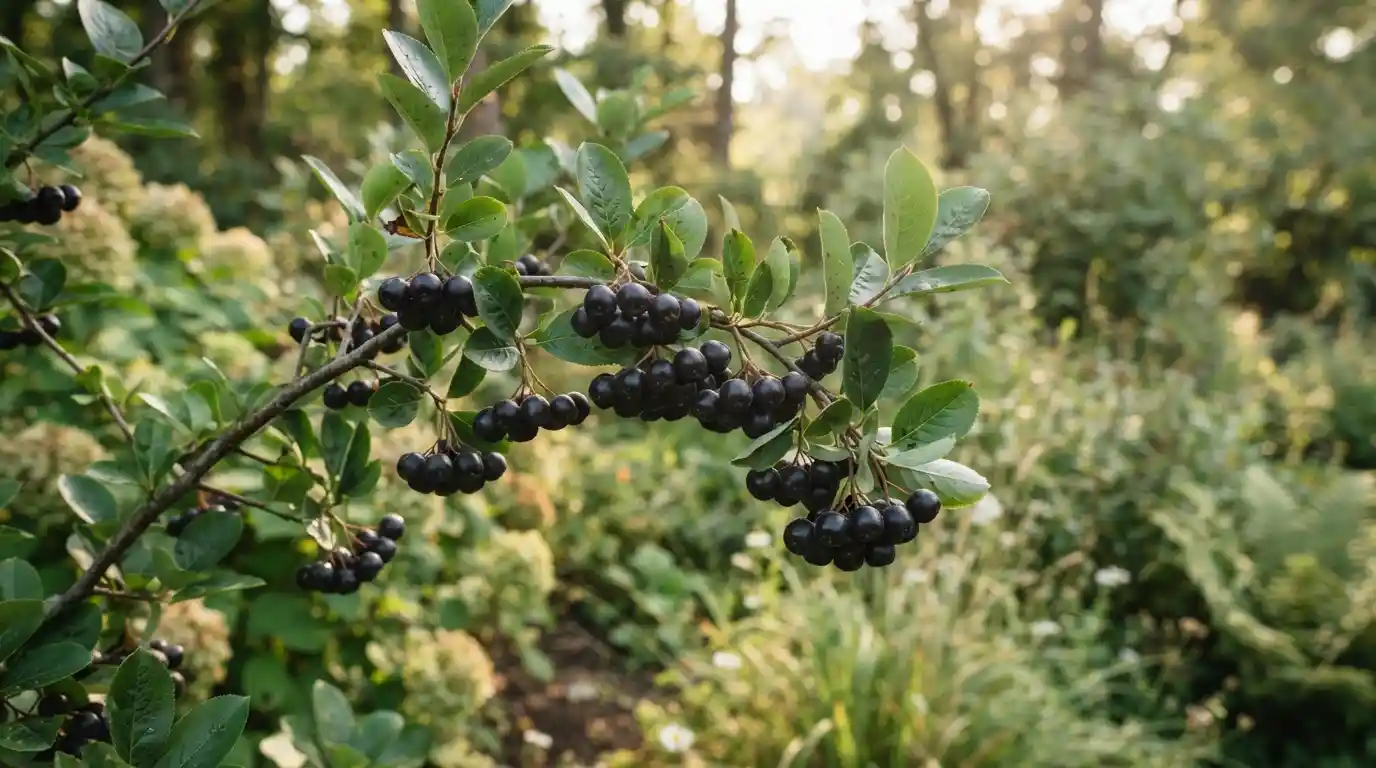
The appeal goes beyond its appearance. Aronia berries contain naturally occurring polyphenols, including anthocyanins, which are responsible for much of their dark pigmentation. These compounds make aronia an interesting subject for anyone researching antioxidant-rich ingredients and the relationship between nutrition, skin care, and overall wellness.
This guide explains what Iroquois Beauty is, why aronia is associated with antioxidant activity, how the berries can be incorporated into everyday life, and what consumers should understand before treating the ingredient as a beauty solution.
What Is Aronia Melanocarpa Iroquois Beauty?
Aronia melanocarpa is commonly known as black chokeberry. It is a deciduous shrub that produces small, dark berries. The name Iroquois Beauty is associated with a cultivated form of black chokeberry valued for ornamental and fruit characteristics.
Unlike many sweet berries, aronia fruit is naturally astringent and tart. Its strong flavor is one reason it is frequently processed into juices, concentrates, preserves, powders, or blended products rather than eaten in large quantities directly from the plant.
Its deep coloration is particularly interesting from a nutritional perspective. Dark berries commonly contain plant pigments called anthocyanins, while aronia is also recognized for its broader collection of polyphenolic compounds.
Why Is Aronia Considered an Antioxidant-Rich Berry?
Antioxidants are compounds that can help counter oxidative processes in the body. Fruits and vegetables provide many different antioxidant compounds, and plant polyphenols are among the groups frequently studied for their potential biological activity.
Aronia stands out because of its high concentration of polyphenols and dark anthocyanin pigments. This combination has made black chokeberry an increasingly interesting ingredient for people looking for foods that naturally contain antioxidant compounds.
However, antioxidant-rich does not automatically mean that consuming a particular berry will produce a specific cosmetic or medical result. Diet, lifestyle, genetics, environmental exposure, and overall health all influence how the body and skin respond.
Key Natural Compounds Found in Aronia
The nutritional interest surrounding aronia comes from several naturally occurring plant compounds rather than a single ingredient.
Anthocyanins
Anthocyanins are pigments responsible for the deep red, purple, and blue colors found in many fruits. In aronia, these compounds contribute significantly to its characteristic dark appearance.
Polyphenols
Polyphenols are a broad family of plant compounds found in berries, fruits, vegetables, tea, and other foods. Aronia contains several types of polyphenolic compounds, contributing to its reputation as a particularly concentrated berry.
Flavonoids
Flavonoids are another group of plant compounds associated with antioxidant activity. Their presence adds to the nutritional profile that makes aronia interesting for people exploring plant-based foods.
Organic Acids and Other Plant Compounds
Aronia’s naturally tart taste comes partly from its organic acid content. The berry’s overall composition gives it a distinctive nutritional and culinary profile compared with sweeter berries.
Potential Beauty Connection of Aronia
The connection between aronia and beauty mainly comes from interest in antioxidants and healthy nutrition. Oxidative stress is one factor involved in the aging process, while environmental factors such as sunlight and pollution can also affect the appearance of skin.
This is why antioxidant-rich foods are often discussed alongside broader beauty and skin-care routines. Eating a varied diet that includes fruits, vegetables, whole grains, nuts, seeds, and other nutrient-rich foods can complement a sensible approach to skin health.
Still, aronia should not be presented as a replacement for sunscreen, moisturizers, professional dermatological care, or other evidence-based skin-care practices.
Aronia and Skin Health: What Should You Expect?
It is easy for marketing language surrounding antioxidant ingredients to become exaggerated. A berry containing beneficial plant compounds does not necessarily function like a topical treatment or guarantee clearer, younger-looking skin.
A more realistic approach is to consider aronia as one possible component of an overall healthy lifestyle. Nutrition can support general wellness, while a consistent skin-care routine addresses the skin more directly.
For readers interested in modern approaches to personal care, topics such as skincare technology and beauty devices can be considered separately from dietary antioxidant sources.
How Can Aronia Be Used?
Fresh aronia berries are famously tart, so most people who consume them choose preparations that balance their flavor. Common options include:
- Aronia juice or diluted berry beverages
- Frozen aronia berries
- Aronia powder
- Jams and preserves
- Smoothies containing other fruits
- Baked recipes
- Blended berry products
The best choice depends on personal taste, dietary needs, and the particular product. Added sugar can vary significantly between commercially prepared aronia products, so checking the ingredient and nutrition information is worthwhile.
Aronia in a Balanced Wellness Routine
Rather than focusing on one so-called superfood, it is more useful to build a varied eating pattern. Aronia can be one part of that approach, particularly for people who enjoy strongly flavored berries and want to increase their intake of plant foods.
A broader lifestyle approach can also include practical beauty habits. For example, people researching beauty routines and products may benefit from considering nutrition, hydration, sleep, sun protection, cleansing, and moisturizing together instead of relying on one ingredient.
Likewise, natural ingredients are becoming increasingly popular in personal care. Related topics such as plant-based beauty ingredients show how botanical compounds continue to influence modern beauty conversations.
Aronia vs. Other Antioxidant-Rich Fruits
Aronia is not the only fruit containing antioxidant compounds. Blueberries, blackberries, strawberries, cherries, grapes, and many other colorful fruits also provide valuable plant compounds.
The advantage of including a variety of fruits is that each food provides a different combination of nutrients and phytochemicals. Instead of searching for one berry that does everything, variety generally offers a more practical nutritional strategy.
For people interested in broader lifestyle choices, healthy lifestyle ideas can provide useful context for thinking about nutrition, personal care, and everyday habits together.
Is Iroquois Beauty Suitable for Home Gardens?
Black chokeberry plants can be attractive additions to suitable landscapes. Their flowers, foliage, and dark berries can provide seasonal visual interest, while their fruit makes them useful for gardeners interested in edible landscaping.
Growing conditions vary by location, so gardeners should consider climate, soil, sunlight, moisture, available space, and local growing recommendations before planting.
The plant can also be considered alongside broader home and outdoor interests, including practical home efficiency and maintenance projects when planning an overall property improvement strategy.
What Makes the Berries Visually Distinctive?
One of the easiest ways to recognize ripe aronia fruit is its dark purple to nearly black coloration. The berries grow in clusters and provide strong visual contrast against the plant’s foliage.
The pigmentation is more than an aesthetic feature. Dark coloration in many fruits is associated with anthocyanin compounds, which are among the reasons colorful berries receive so much attention in nutrition research.
Aronia and the Growing Interest in Natural Beauty
Consumers increasingly encounter botanical ingredients across food, wellness, and beauty categories. This has created greater interest in understanding where an ingredient comes from and what it can realistically contribute.
Aronia fits naturally into this conversation because the plant combines an attractive appearance with a fruit rich in naturally occurring plant compounds. That makes it relevant to discussions about personal style and confidence, wellness, and responsible self-care.
However, natural does not automatically mean superior or risk-free. Product quality, preparation, dosage, allergies, medications, and individual circumstances can all matter.
How to Choose an Aronia Product
If you are purchasing an aronia-based product, look beyond the marketing language. Consider the following factors:
- Ingredient list: Check how much actual aronia is included.
- Added sugar: Juices, concentrates, and preserves may contain substantial amounts of added sweeteners.
- Processing: Different forms can have different nutritional profiles.
- Serving information: Follow the manufacturer’s stated serving guidance.
- Product quality: Choose products from reputable manufacturers with clear labeling.
This approach is useful across beauty and wellness purchases too. Whether researching beauty creams, botanical products, or other personal-care items, clear labeling is more useful than exaggerated claims.
Aronia and a Practical Approach to Antioxidants
The most useful way to think about antioxidants is as part of an overall dietary pattern rather than a single magic solution. Colorful fruits and vegetables can contribute a wide range of plant compounds, vitamins, minerals, and fiber.
Aronia can therefore be an interesting addition to a varied diet, particularly for people who enjoy experimenting with less common fruits. Its intense flavor also makes it useful in recipes where a tart berry note is desirable.
Those interested in broader health and wellness topics can also explore health and wellness information while keeping individual dietary decisions appropriate to their circumstances.
Can Aronia Replace a Skincare Routine?
No. Eating antioxidant-rich foods and maintaining a topical skin-care routine serve different purposes.
A practical skincare routine can include gentle cleansing, appropriate moisturization, and daily sun protection. Dietary choices can support general nutritional health, but they should not be presented as direct substitutes for topical protection or professional care.
For readers exploring beauty from multiple angles, personal appearance and style can be considered alongside skincare, nutrition, grooming, and other everyday choices.
Safety and Responsible Use
Aronia fruit is a food, but concentrated supplements and extracts can be different from eating the whole berry. Anyone considering a concentrated product should read its labeling carefully.
People taking medications, managing a medical condition, pregnant or breastfeeding individuals, or anyone considering high-dose supplements should speak with an appropriately qualified healthcare professional before introducing concentrated products.
It is also important not to treat claims about antioxidants as guarantees of preventing disease, reversing aging, or curing skin problems.
Why Aronia Melanocarpa Iroquois Beauty Is Worth Exploring
Aronia melanocarpa Iroquois Beauty is interesting because it brings together horticulture, nutrition, antioxidant-rich plant compounds, and the continuing interest in botanical beauty ingredients.
Its dark berries contain naturally occurring polyphenols and anthocyanins, while its distinctive tart flavor makes it suitable for a range of food preparations. For people interested in natural wellness, aronia can be a worthwhile ingredient to learn about without overstating what it can accomplish.
The broader lesson is simple: sustainable beauty and wellness are usually built through consistent habits rather than a single miracle ingredient. A varied diet, sensible skincare, sun protection, healthy lifestyle choices, and informed product selection can all play complementary roles.
Frequently Asked Questions
What is Aronia melanocarpa Iroquois Beauty?
It is a cultivated form associated with Aronia melanocarpa, commonly called black chokeberry. The plant produces dark berries known for their tart flavor and naturally occurring plant compounds.
Why is aronia considered an antioxidant-rich fruit?
Aronia berries contain naturally occurring polyphenols and anthocyanins. These plant compounds contribute to the berry’s nutritional interest and deep coloration.
Can aronia improve skin appearance?
Aronia can be part of a nutritious diet, but it should not be considered a guaranteed skin treatment. Healthy skin depends on many factors, including genetics, nutrition, sun exposure, skincare, and overall lifestyle.
How can I consume aronia berries?
Because fresh berries can be very tart, people often use aronia in juices, smoothies, preserves, baked foods, frozen preparations, or powdered products.
Is aronia better than other berries?
Not necessarily. Aronia has a distinctive polyphenol profile, but many fruits provide valuable nutrients and plant compounds. A varied diet is generally more useful than relying on one particular berry.
Can I use aronia instead of sunscreen?
No. Eating antioxidant-rich foods does not replace sunscreen or other appropriate forms of sun protection.
Final Thoughts
Aronia melanocarpa Iroquois Beauty offers an intriguing example of how a traditional fruit can attract modern interest through its distinctive appearance, strong flavor, and naturally occurring antioxidant compounds. Its anthocyanins and other polyphenols make it a notable addition to conversations around colorful, plant-based foods.
For anyone exploring natural beauty, the smartest approach is to keep expectations realistic. Aronia can complement a balanced lifestyle, but lasting wellness and skin health are better supported by a combination of good nutrition, appropriate skincare, sun protection, and consistent everyday habits.
Readers interested in the wider relationship between beauty, lifestyle, and personal care can continue exploring related topics such as modern beauty care, skincare technology, and wellness and self-care.