There is no single way to dress as an FTM person. Some people prefer classic menswear, while others enjoy streetwear, workwear, minimalist outfits, vintage clothing, athletic looks, or a mixture of different influences. The goal is not to follow a rigid formula but to understand fit, proportion, layering, color, texture, and personal preference so you can build a wardrobe that feels authentic.
What Does FTM Fashion Mean?
FTM is commonly used as shorthand for female-to-male and is often used in discussions involving transgender men. However, language and identity are personal, and not every transmasculine person uses the term FTM. In fashion, the phrase generally refers to clothing and styling choices that may appeal to trans men who want a masculine, masculine-leaning, or personally affirming presentation.
That does not mean there is a required FTM dress code. A trans man can wear a suit, hoodie, skirt, graphic tee, work jacket, sneakers, boots, jewelry, or anything else that fits his personality. Modern style works best when clothing supports individual expression rather than creating another set of expectations.
For additional inspiration, explore how luxury apparel can elevate a wardrobe and how modern clothing can combine comfort with a polished appearance.
Why Clothing Can Matter During Gender Expression
Clothing communicates visual information before someone has a conversation with you. Silhouette, proportions, colors, footwear, grooming, and accessories can all contribute to the overall impression of an outfit.
For someone exploring a more masculine presentation, finding clothes that feel comfortable and affirming can make everyday dressing much easier. This can be particularly useful when moving from a wardrobe that was selected around expectations that no longer reflect personal identity.
Confidence does not come from perfectly matching a particular masculine stereotype. It often comes from discovering clothing that feels natural, fits properly, and allows you to stop thinking about whether the outfit feels like someone else’s idea of you.
Start With Fit Rather Than Labels
One of the most useful principles in FTM fashion is to focus on how a garment fits rather than simply whether it is marketed toward men.
A men’s shirt that is too large can look less intentional than a well-fitting garment from another section of a store. Similarly, an oversized jacket can create a strong streetwear silhouette when it is deliberately styled, but it can look uncomfortable when the proportions are accidental.
When shopping, pay attention to shoulder placement, sleeve length, shirt length, waistband position, rise, leg width, and overall proportions. Try several cuts instead of assuming that one size or one department will automatically work for you.
If you enjoy experimenting with clothing, the modern luxury and everyday elegance approach to apparel can also provide useful ideas for combining structured pieces with relaxed basics.
Building a Masculine-Looking Silhouette
Some FTM shoppers want clothing that creates a straighter or more traditionally masculine silhouette. If that is your goal, proportions can be more important than individual garments.
Structured Upper Layers
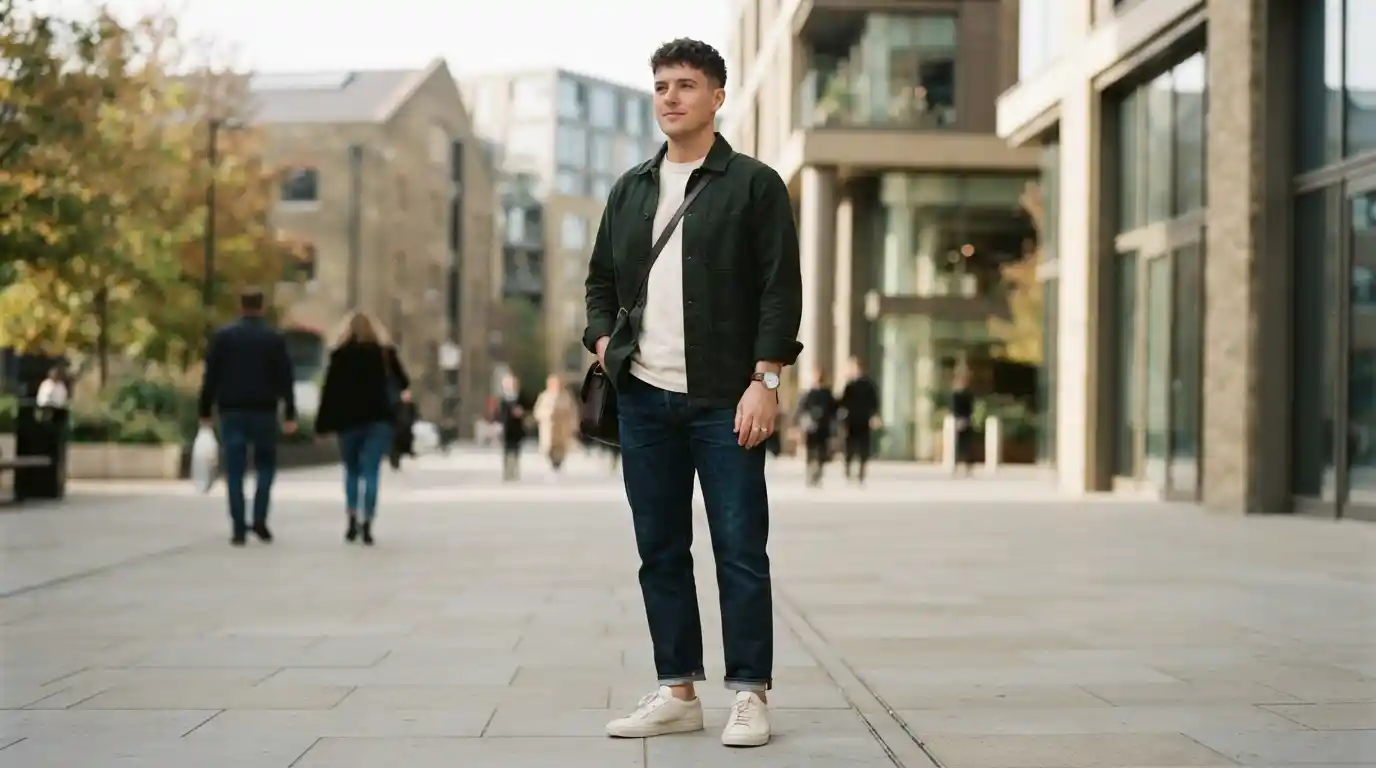
Overshirts, chore jackets, denim jackets, lightweight bomber jackets, and structured button-downs can add visual structure around the shoulders and upper body. Layering also gives you more control over the overall shape of an outfit.
Straighter Lines
Relaxed straight-leg trousers, straight jeans, chinos, and workwear-inspired pants can create a continuous visual line from the waist toward the shoes. Experiment with different rises and leg openings to discover what feels most comfortable.
Balanced Proportions
Instead of making every piece oversized, consider balancing one relaxed garment with another piece that has clearer structure. For example, a roomy overshirt can work well with straight-leg pants and simple sneakers.
For a more fashion-forward approach, consider the history of fashion trends and historical styling. Looking at different eras can help you discover silhouettes without limiting yourself to contemporary menswear.
Essential FTM Wardrobe Pieces
A practical wardrobe does not need dozens of specialized pieces. A small collection of versatile garments can create many different outfits.
- Plain T-shirts: Useful as standalone pieces or foundations for layers.
- Button-down shirts: Suitable for casual, smart-casual, and more formal outfits.
- Straight-leg jeans: A versatile foundation for everyday styling.
- Chinos: Useful when jeans feel too casual.
- Overshirts: Excellent for layering and adding structure.
- Casual jackets: Denim, bomber, utility, or chore jackets can change the character of an outfit.
- Hoodies and sweatshirts: Comfortable options for relaxed outfits.
- Simple sneakers: Easy to combine with jeans, chinos, and casual trousers.
- Boots: Useful for workwear, outdoor-inspired, and more rugged looks.
- Accessories: Watches, belts, bags, caps, glasses, and jewelry can add personality.
A sweatshirt can also communicate personal interests or values. For example, statement sweatshirts and casual fashion show how an everyday garment can combine personal expression with a message.
Choosing Colors for Your Personal Style
Color is one of the easiest ways to develop a recognizable wardrobe. Neutral colors such as black, white, gray, navy, olive, beige, and brown are easy to combine and can form the foundation of a versatile closet.
That does not mean FTM fashion needs to be dark or conservative. Rust, burgundy, forest green, cobalt, cream, muted orange, and other colors can add personality without changing the overall structure of an outfit.
Try creating a simple palette with three or four dependable neutral colors and then introduce a few accent colors. This makes it easier to mix clothing without purchasing an entirely new wardrobe whenever you want a different look.
Layering for Better Outfits
Layering is particularly useful when you want to experiment with proportion and structure. A basic T-shirt can become a completely different outfit when combined with an open button-down, overshirt, cardigan, jacket, or coat.
For a casual look, try a plain tee with an open flannel shirt and straight-leg jeans. For a cleaner appearance, pair a fitted or relaxed T-shirt with an overshirt, chinos, and minimalist sneakers.
The key is to avoid adding layers simply for the sake of adding them. Each piece should contribute to the overall silhouette, comfort, or visual interest.
Accessories Can Define Your Style
Accessories are often overlooked when building an FTM wardrobe, but they can make a basic outfit feel much more personal.
A watch can make a casual outfit feel more polished. A leather or canvas belt can provide structure. A crossbody bag can add a streetwear element, while a simple chain, ring, or bracelet can introduce a subtle fashion detail.
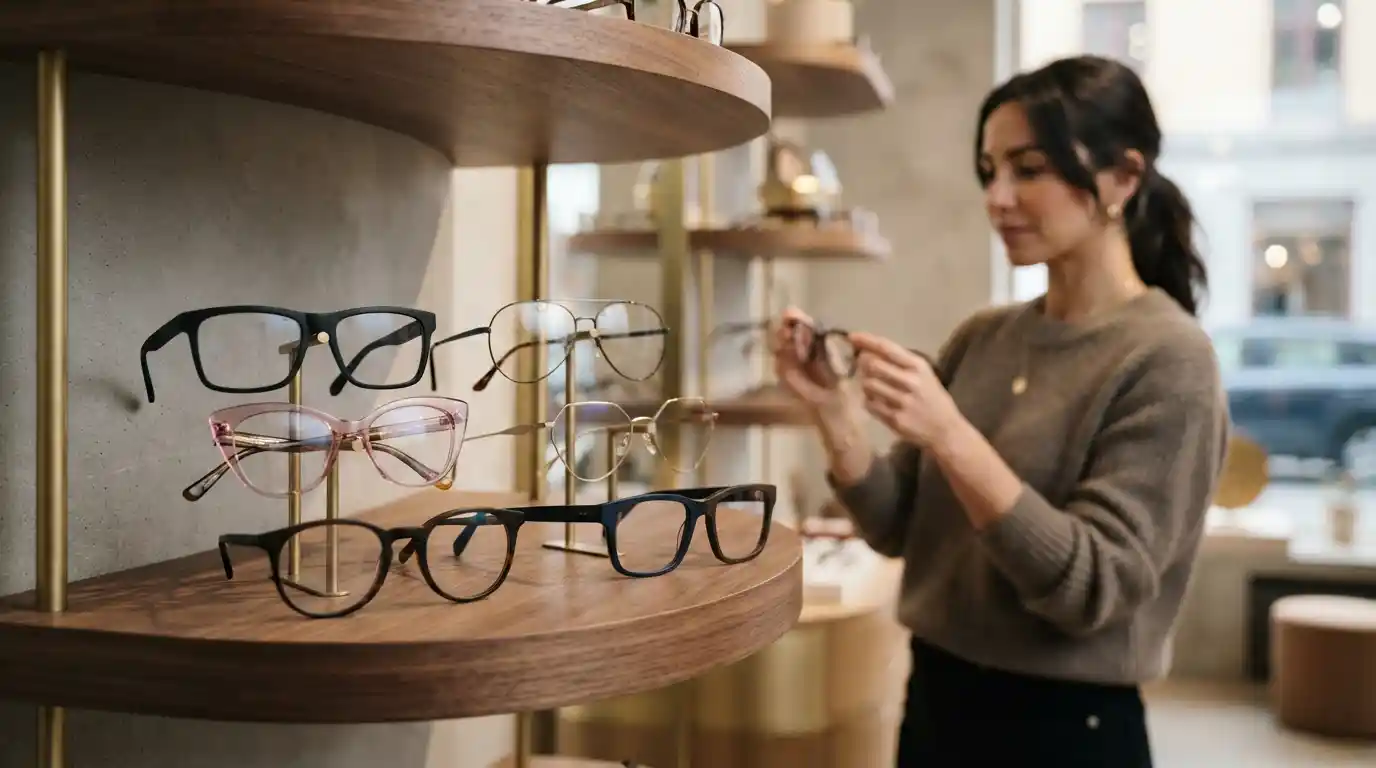
Eyewear can also become part of a signature look. Explore eyewear fashion and modern glasses styling for ideas on incorporating frames into a complete outfit.
If you prefer a luxury-inspired aesthetic, accessories can also be a focal point. The world of luxury watches and statement accessories demonstrates how a single high-impact item can influence an entire outfit.
Jewelry does not need to be traditionally masculine to be effective. The important consideration is whether the piece works with your preferred aesthetic. For additional inspiration, see these ideas around gold jewelry and contemporary accessories.
FTM Fashion for Different Style Aesthetics
Minimalist Style
Minimalist wardrobes focus on clean lines, simple colors, limited patterns, and versatile pieces. A neutral T-shirt, straight trousers, clean sneakers, and a structured jacket can create a polished everyday look.
Streetwear
Streetwear gives you more freedom with oversized silhouettes, graphic pieces, sneakers, caps, utility clothing, and layered outfits. Proportion is particularly important because oversized clothing works best when the overall shape looks intentional.
Workwear
Workwear-inspired clothing uses durable-looking fabrics, utility pockets, overshirts, denim, boots, and earthy colors. It can create a practical and masculine aesthetic without requiring complicated styling.
Smart Casual
For school, work, dinners, or social events, combine chinos or dark jeans with a button-down shirt, knitwear, loafers, clean sneakers, or boots. A casual blazer can make the outfit more formal without making it feel like traditional business attire.
Vintage-Inspired Style
Vintage fashion allows you to borrow