Yosemite National Park Guide: Plan a Trip to Yosemite National Park
Yosemite National Park is one of the great American travel experiences, and this Yosemite National Park guide covers everything you need to plan a visit that actually works. You will find the best sights, the most rewarding hikes, the right season for your trip, and the practical details that save time once you arrive. Whether you are planning a first visit or returning for a deeper trip, the advice below is built around what visitors most often ask before they go.
Set in California, the park is known for granite cliffs, towering waterfalls, and giant sequoia groves. That variety is what makes it so rewarding, and also what makes a little planning worthwhile. A first-time visitor who arrives without a plan can easily spend the day driving between viewpoints, while a visitor with a short list of priorities will see the highlights and still have time to slow down. If you are comparing parks, start with our guide to the best national parks in the USA to see how this park fits a wider trip.
Why Visit Yosemite National Park
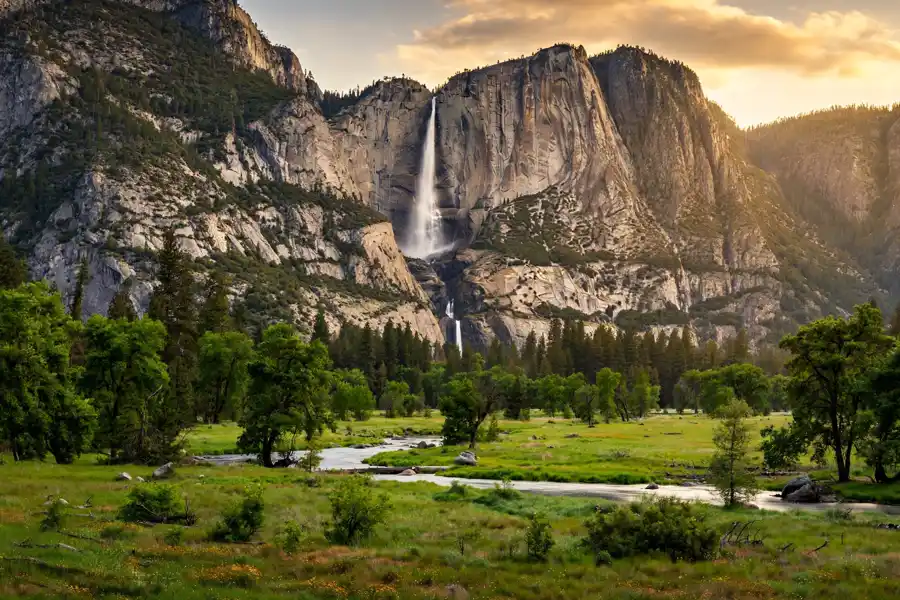
Yosemite’s granite walls, including El Capitan and Half Dome, have shaped American climbing culture for generations. Even if you never leave the valley floor, the scale of the cliffs and the sound of falling water make the park unforgettable.
Beyond the headline sights, the park rewards slow travel. Early mornings and late afternoons bring the best light, the quietest trails, and often the best wildlife viewing. Midday is a good time for a picnic, a visitor center stop, or a scenic drive rather than a strenuous hike. If you are watching costs, our advice on how to visit US national parks on a budget will help you keep the trip affordable without missing the best experiences.
Best Things to Do in Yosemite National Park
The sights you should not miss
The three places most visitors remember are Yosemite Valley and the views from Tunnel View, the waterfalls of Yosemite Falls and Bridalveil Fall, and the giant sequoias of the Mariposa Grove. Each one shows a different side of the park, so try to include at least two of them even on a short visit. Arrive early for the most popular viewpoints, and give yourself time to linger rather than rushing to the next stop.
A scenic drive is often the best way to get your bearings on day one. It lets you see how the park fits together, spot the places you want to return to on foot, and adjust your plan to the weather. Keep a paper map or an offline map on your phone, because mobile coverage inside many parks is patchy at best. For a wider driving trip, our USA road trip routes ideas pair well with a national park visit.
Best Hikes in Yosemite National Park
For walking, start with the Mist Trail toward Vernal and Nevada Falls, then try the valley floor loop past meadows and river views if you want something a little more challenging. A third good option is a walk among the giant sequoias in the Mariposa Grove. Together, these three walks give you a rounded feel for the park without demanding expert fitness or specialist gear.
Whatever trail you choose, carry water, sun protection, and a layer for changing weather, and tell someone your plan if you are heading into quieter country. Check trail conditions at the visitor center before you set out, especially after storms, and turn back if weather changes or the trail becomes unsafe. Good preparation starts at home, so read our essential packing tips for travelers before you pack.
When to Visit Yosemite National Park
Late spring is waterfall season, when snowmelt feeds the falls at their fullest. Summer is busy and warm in the valley, fall brings golden color and calmer trails, and winter offers quiet snow scenes and ice on the valley floor.
No matter when you visit, check current conditions before you travel. Road closures, trail work, and weather can change plans quickly in mountain and desert parks alike. The cheapest time to travel in the USA can also shape your choice, since shoulder seasons often combine good weather with lower prices and smaller crowds.
Wildlife and Nature in Yosemite National Park
Wildlife is a highlight here, and black bears, mule deer, and a wide range of birds are among the species you may encounter. Watch from a distance, never approach or feed animals, and store food properly where bears are active. Binoculars and patience matter more than luck: quiet mornings near water and meadow edges are often the most productive times.
Photography is best in the soft light of early morning and late afternoon. Bring a zoom lens if you have one, keep your distance from wildlife, and remember that the most memorable photographs often come from waiting in one good place rather than chasing every viewpoint. If you are building a longer trip, our best places to visit in the USA this summer list may give you the next stop.
Where to Stay Near Yosemite National Park
Most visitors base themselves in El Portal, Mariposa, and Groveland. Staying close to the park saves driving time and lets you reach trailheads early, which matters in busy seasons. Book well ahead for summer weekends and holiday periods, when lodging inside and near popular parks fills quickly.
Lodging choices range from campgrounds and cabins to hotels and lodges, and the right choice depends on your budget and travel style. Camping puts you closest to the park, while a town base gives you restaurants, fuel, and shops within easy reach. Compare options with our cheap hotels in the USA guide, and remember that a budget travel in the USA plan helps you weigh driving, lodging, and food costs together.
Planning Tips for Yosemite National Park
Before you go, confirm entrance requirements, road status, and any reservation or timed-entry system that may apply to your dates. Park rules change from season to season, so the visitor center and the park’s official information pages are the most reliable sources. Carry extra water, snacks, and fuel, especially if you are visiting a remote park where services are far apart.
Travel insurance is worth considering for a trip that involves flights, lodging, and outdoor activities, and our travel insurance guide for US travelers explains what to look for. If you are traveling alone, our solo travel destinations in the USA advice covers safety and planning for independent trips, while families should build rest stops and flexible days into the schedule so children stay comfortable.
A Simple Itinerary for Yosemite National Park
A simple three-day plan works well. Spend day one on the scenic drive and the most popular viewpoints, so you understand the park’s layout. Use day two for your longest hike and a quieter corner of the park. Keep day three flexible: revisit a favorite viewpoint in different light, try a short trail you missed, or explore a gateway town before heading home.
If you only have one day, pick two headline sights and one walk, and resist the urge to see everything. A shorter, calmer day almost always beats a rushed tour of the whole park. On a longer trip, consider pairing this park with a neighboring destination, and check our solo road trip across the USA ideas for routes that connect parks and towns into one journey.
Frequently Asked Questions About Yosemite National Park
When is the best time to visit?
It depends on what you want most. Mild weather and thinner crowds usually come in spring and fall, while summer offers the fullest access to roads and trails. Winter suits visitors who want quiet and snow, provided they accept limited access. The season notes above will help you match your dates to your priorities.
How many days do you need?
Two to three days is a good minimum for a first visit. One day covers the headline viewpoints, but a second and third day let you hike, watch wildlife, and revisit places in better light without rushing.
Do you need a car?
A car gives you the most freedom in and around the park, and it is essential for most gateway towns and trailheads. Some parks offer shuttle services in busy areas, so check what runs during your visit. Our guide to travel in the USA without a car explains the options if you would rather not drive the whole trip.
Final Thoughts on Visiting Yosemite National Park
Yosemite National Park rewards visitors who plan a little and then slow down. Pick your headline sights, choose walks that suit your fitness, and leave room for the unexpected: a wildlife sighting, a change in light, or a quiet trail you had not planned. That balance of planning and flexibility is what turns a good park trip into a memorable one.
Start with the season and the sights in this guide, book your lodging early in busy periods, and pack for changing weather. Then enjoy the park on its own terms. The landscapes that draw millions of visitors each year have lasted far longer than any single trip, and they are best appreciated at walking pace.