America is a driving country, but you do not need a car to see it. Trains, buses, bikes, and walkable cities make it possible to travel the USA without a car, often for less money and with less stress than driving. You skip gas, parking, rental fees, and traffic, and you gain time to read, watch the scenery, and actually enjoy the journey.
In this guide, we show you how to travel the USA without a car in 2026: the best train routes, bus networks, walkable cities, and practical tips for planning a car-free trip from start to finish.
Why Travel Without a Car?
Car-free travel saves serious money. A rental car, gas, insurance, and parking can easily add $100 or more per day to a trip, especially in big cities where parking alone costs $30 to $50 a night. Without a car, that money goes to experiences instead.
It is also greener and often more relaxing. Trains let you watch the countryside roll by, buses drop you in city centers, and walking lets you discover neighborhoods you would never notice from a highway. Many of America’s most enjoyable cities were built before cars, and they still reward travelers on foot.
Start With the Right Cities
Not every American city works without a car, so choosing the right destinations is the most important step. The best car-free cities have good public transit, walkable downtowns, and plenty of attractions close together.
New York City is the obvious champion: the subway runs 24 hours, and almost everything is reachable by train or on foot. Our New York City travel guide covers the best things to do, and our free things to do in New York City guide shows how to enjoy the city without spending much at all.
Washington, D.C. is another excellent car-free city, with a clean Metro system and a compact, walkable center. Our guide to free things to do in Washington, D.C. pairs perfectly with a car-free visit, since the museums, monuments, and memorials are all clustered around the National Mall.
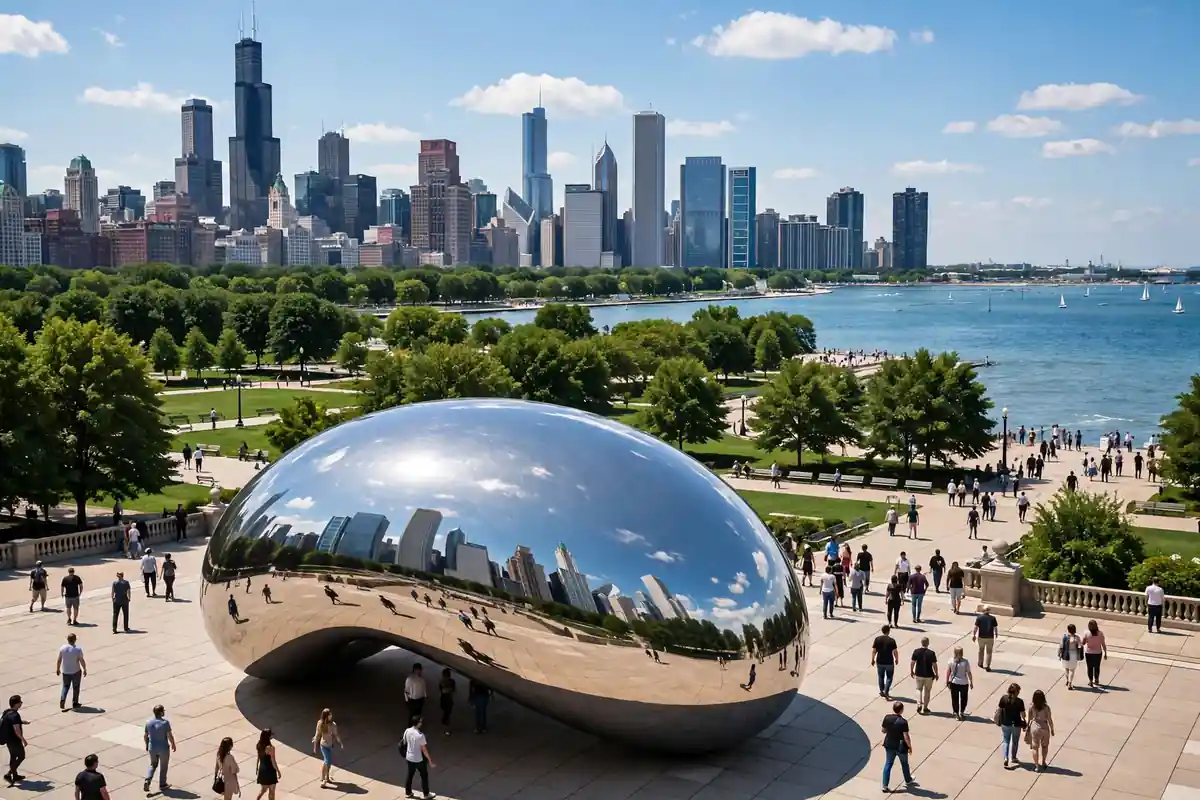
Other great car-free cities include Boston, with its walkable Freedom Trail and subway system; San Francisco, with cable cars, buses, and ferries; Chicago, with its ‘L’ trains and lakefront; and New Orleans, where the French Quarter and Garden District are best explored on foot and by streetcar.
Trains: The Best Way to See America Without a Car
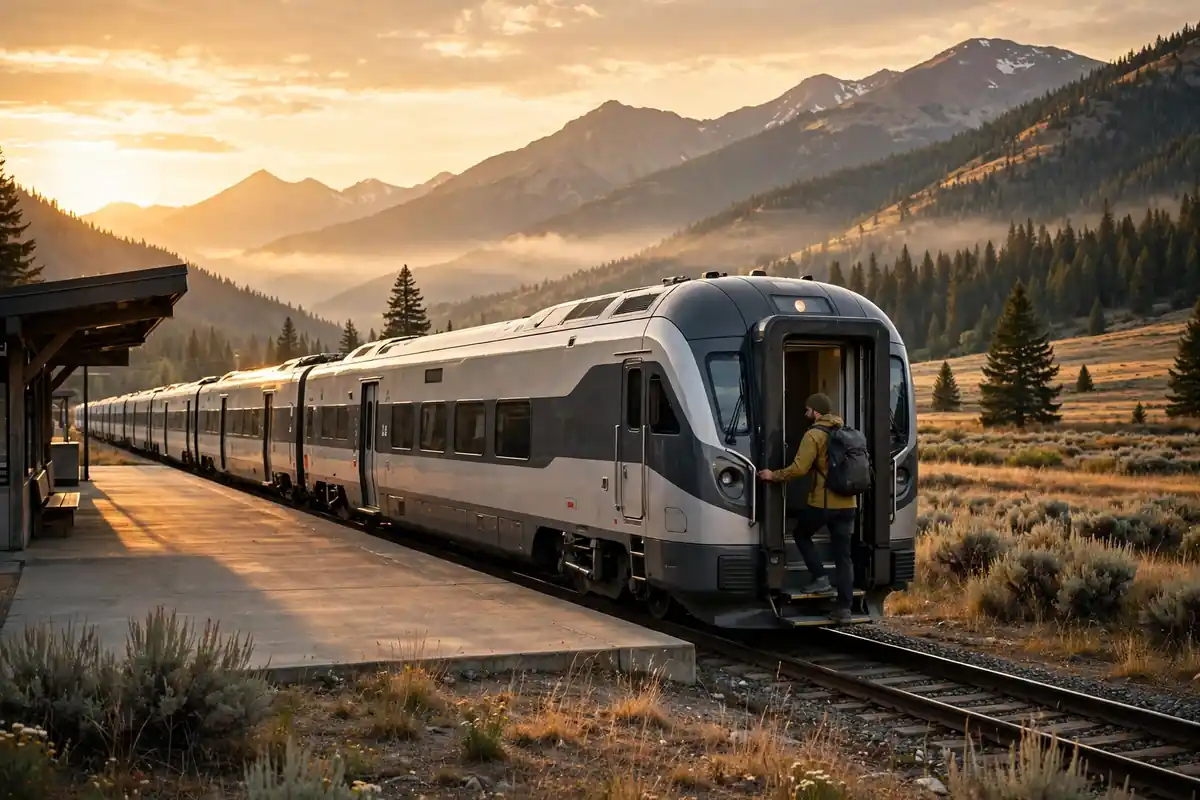
Amtrak is the backbone of car-free travel in the USA, with more than 30 routes covering much of the country. Long-distance trains like the California Zephyr, the Coast Starlight, and the Southwest Chief are journeys in themselves, crossing mountains, deserts, and plains with panoramic windows and dining cars.
Coach seats on Amtrak are spacious, with more legroom than an airplane, and you can walk around, visit the cafe car, and watch the scenery. For frequent train travelers, the Amtrak USA Rail Pass offers excellent value, letting you take multiple segments over a set period for one price. Read our full guide to the pass before you book, since it explains which routes give you the most value.
Book early for the best prices, since Amtrak fares rise as departure approaches, much like airlines. Travel in coach to save money, bring your own food to avoid cafe car prices, and pack a neck pillow for overnight routes. If you are comparing trains with other options, our guide to the cheapest way to travel between US cities breaks down bus versus train costs route by route.
Buses: The Cheapest Way to Travel Between Cities
Buses are the cheapest way to travel the USA without a car, and the network is far bigger than most people realize. Greyhound, FlixBus, and Megabus serve hundreds of cities, often for $20 to $50 per trip, and budget carriers run frequent routes along the East Coast, in Texas, and in California.
Bus travel is slower than flying and less comfortable than trains, but the savings are real, especially for solo travelers. Book early, travel on weekdays, and bring snacks, water, headphones, and a charger. For longer trips, consider breaking the journey in an interesting town rather than enduring a marathon ride.
City buses and regional transit fill the gaps between Amtrak stations and smaller towns. Many national parks now run shuttle systems, and some gateway towns offer bus service from the nearest Amtrak station, so even rural destinations are reachable with a little planning.
Flying Between Cities, Then Going Car-Free
Sometimes the smartest car-free strategy is to fly between regions, then go car-free within each city. Budget airlines make this surprisingly affordable, especially on popular routes like New York to Chicago or Los Angeles to San Francisco.
Compare carriers in our guide to the cheapest airlines in the USA, and fly into airports with good transit connections to downtown. New York’s JFK and Newark, Chicago’s O’Hare, Boston’s Logan, and San Francisco’s SFO all offer train or bus links that cost a few dollars, which beats a $60 taxi every time.
Where to Stay Without a Car
Location matters more than luxury when you travel without a car. Stay near a train station, a transit hub, or in the walkable center of town, so you can reach restaurants, attractions, and transit without a ride.
Hostels are a great fit for car-free travelers, since they are usually centrally located and full of fellow travelers sharing tips. Our guide to the best hostels in the USA covers the top options, and our list of cheap hotels in the USA includes budget hotels near transit in major cities. When you book, check the walk score and the distance to the nearest station before you commit.
Bikes, Scooters, and Rideshares
Bikes fill the gap between walking and transit in many American cities. Bike-share systems in New York, Chicago, Washington, San Francisco, and Boston cost a few dollars per ride, and they are perfect for short trips along waterfronts and through parks.
E-scooters are available in many cities, though rules vary, so check local regulations before riding. Rideshares are best used sparingly, for late-night trips or getting to a trailhead, since frequent use quickly eats your budget. For airport trips and longer journeys, transit or a shared shuttle is almost always cheaper.
Packing for a Car-Free Trip
Without a car, you carry everything you own, so packing light is not just advice, it is survival. Choose a backpack or a small rolling bag you can lift onto a train and carry up station stairs, and pack versatile layers rather than outfits for every occasion.
Our guide to essential packing tips every traveler should know covers the full checklist, but the car-free essentials are: comfortable walking shoes, a portable charger, a refillable water bottle, snacks, a light rain jacket, and a small daypack for daily outings. Leave the “just in case” items at home; American cities have stores if you truly need something.
Sample Car-Free Itineraries
East Coast by train: Boston to Washington, D.C.
Take Amtrak’s Northeast Regional from Boston to New York, Philadelphia, and Washington, D.C., spending two days in each city. Every stop is walkable and transit-friendly, and the train ride itself offers coastal and city views. This is the easiest car-free trip in America, and a perfect first attempt.
California by train and bus: San Francisco to Los Angeles
Ride the Coast Starlight or a bus down the California coast, stopping in Santa Barbara and San Luis Obispo. Use city transit and bikes within each city, and enjoy the ocean views without worrying about Highway 1 traffic or parking.
The Southwest by rail: Chicago to Los Angeles
The Southwest Chief runs from Chicago through Kansas, New Mexico, and Arizona to Los Angeles, with stops at national parks and historic towns. It is a longer journey, but it shows you a side of America that drivers on the interstate never see.
Tips for Solo Car-Free Travelers
Car-free travel suits solo travelers especially well, since you meet people on trains and in hostels, and you never have to navigate alone. If you are new to solo travel, read our complete guide to solo travel in the USA for safety tips, budgeting advice, and destination ideas.
Book your first night’s stay before you arrive, download offline maps, and keep your phone charged. Let someone know your itinerary, and trust the kindness of fellow travelers and transit staff, who are usually happy to help a newcomer.
Budget Tips for Car-Free Travel
Compare all your options
Before every leg of your trip, compare train, bus, and flight prices, since the cheapest option varies by route and date. Our guide to the cheapest cities to visit in the USA will help you choose destinations where car-free travel is also affordable, and our bus versus train comparison helps you pick the right mode for each journey.
Buy transit passes
Most big cities offer multi-day transit passes that save money if you ride often. Buy them at the airport station or online before you arrive, and use them for every trip, even short ones, since the savings add up.
Travel light, travel slow
The slower you travel, the cheaper it gets. Staying three nights in one city instead of one night in three cities cuts transport costs dramatically, and it gives you time to enjoy each place properly. Slow travel is also the secret to the best car-free experiences: lingering in a neighborhood, finding a local cafe, and watching a city go about its day.
Conclusion
Learning how to travel the USA without a car opens up a different, and often better, way to see the country. You save money, you meet people, you see the scenery instead of the highway, and you discover cities the way they were meant to be experienced: on foot, by train, and at a human pace. Pick a route, pack light, book your first train ticket, and leave the car behind. America is waiting, no keys required.