Alberta is one of Canada’s most rewarding destinations for travelers who love dramatic mountain scenery, turquoise lakes, outdoor adventures, charming towns, and fascinating cultural attractions. Located in western Canada, the province offers everything from the towering peaks of the Canadian Rockies to vast prairie landscapes, dinosaur discoveries, and lively urban experiences.
Whether you are planning a summer road trip, a winter getaway, a family vacation, or a scenic escape for two, there are plenty of incredible places to visit in Alberta, Canada. The best itinerary depends on your interests, available time, and travel season. This guide explores 15 memorable destinations and practical tips to help you plan your journey.
1. Banff National Park
Banff National Park is one of Alberta’s most celebrated destinations, attracting visitors with its mountain scenery, alpine lakes, forests, and wildlife. The town of Banff makes a convenient base for exploring the surrounding Canadian Rockies, while nearby viewpoints provide spectacular opportunities for photography.
Popular experiences include walking along the Bow River, exploring downtown Banff, riding the Banff Gondola when operating, and visiting scenic locations around the park. Lake Louise and Moraine Lake are also major highlights in the broader Banff region, although access arrangements and seasonal restrictions can vary.
Summer is ideal for hiking and sightseeing, while winter brings opportunities for skiing, snowboarding, and snowy mountain views. Reserve accommodation early during busy periods and check current park access rules before visiting popular lakes.
2. Lake Louise
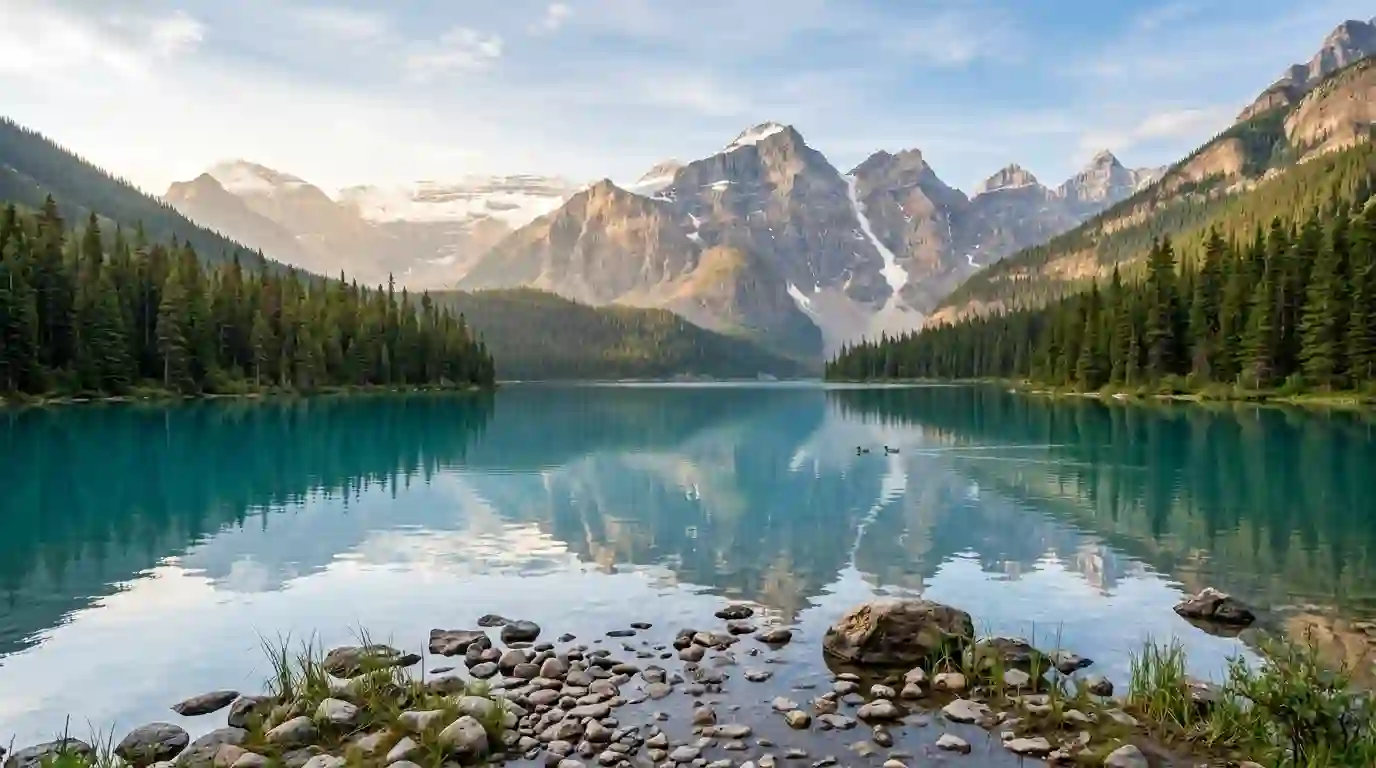
Lake Louise is famous for its brilliant turquoise water, forested shoreline, and dramatic mountain backdrop. It is one of the most recognizable landscapes in the Canadian Rockies and deserves a place on almost any Alberta itinerary.
During warmer months, visitors can enjoy lakeside walks, canoeing when rentals are available, and longer hiking routes in the surrounding mountains. In winter, the area becomes a destination for snow-covered scenery, seasonal activities, and nearby skiing.
Lake Louise can become extremely busy, especially in summer. Plan transportation ahead of time, check access information, and consider visiting early in the day. If you enjoy mountain destinations, you may also like exploring our guide to scenic nature and cultural places in Saskatchewan.
3. Jasper National Park
Jasper National Park offers a more spacious mountain experience, with rugged peaks, glacial landscapes, forests, lakes, and opportunities to observe wildlife from a safe distance. Jasper town provides accommodation, restaurants, and access to many of the park’s outdoor attractions.
Maligne Lake is known for its mountain setting, while Maligne Canyon attracts visitors with its dramatic rock formations and walking routes when trails are open. The Icefields Parkway also connects the Jasper region with the Lake Louise area, making it a memorable drive for travelers exploring the Rockies.
Allow extra time for scenic stops, weather changes, and road conditions. Before traveling, check official park alerts because wildfires, trail closures, and other conditions can affect access to particular areas.
4. Moraine Lake
Moraine Lake is renowned for its vivid blue-green water and the rugged Valley of the Ten Peaks surrounding its shoreline. The scenery makes it one of the most photographed locations in Alberta and a favorite stop for visitors seeking classic Canadian Rockies views.
Visitors can admire the lake from designated viewpoints, enjoy permitted shoreline walks, and explore available hiking routes according to current conditions. The surrounding landscape changes significantly with the seasons, and access is generally seasonal.
Private vehicle access is restricted, so transportation planning is essential. Check the latest Parks Canada guidance before making arrangements, particularly during the summer travel season.
5. Calgary
Calgary combines a modern city atmosphere with easy access to Alberta’s mountain destinations. It is a practical arrival point for many visitors and offers restaurants, shopping districts, cultural attractions, parks, and a lively downtown.
Explore the Calgary Tower for city views, visit the Calgary Zoo, walk along the Bow River pathways, or discover local food and arts districts. If your trip coincides with the Calgary Stampede, you can experience one of Canada’s best-known annual western culture events, subject to event dates and ticket availability.
Calgary works well as the beginning or end of a Rockies road trip. Travelers who enjoy discovering urban destinations can also explore places to visit in New York or our guide to attractions in San Antonio for future city breaks.
6. Edmonton
Edmonton, Alberta’s capital, offers festivals, museums, river-valley scenery, and attractions for visitors of different ages. Its cultural calendar and extensive parkland make it worth considering for travelers who want more than mountain landscapes.
West Edmonton Mall is a major entertainment and shopping destination, with indoor attractions that can be particularly appealing during colder months. Visitors can also explore the Royal Alberta Museum, stroll through Old Strathcona, and enjoy walking or cycling in the North Saskatchewan River Valley when conditions permit.
Summer is especially enjoyable for outdoor festivals and river-valley activities, while winter brings seasonal events and indoor entertainment. Allow at least a day or two if you want to experience both the city’s cultural attractions and its outdoor spaces.
7. Drumheller and the Royal Tyrrell Museum
Drumheller offers a striking contrast to Alberta’s mountain scenery. Located in the Canadian Badlands, the area features unusual rock formations, wide-open landscapes, and a rich record of prehistoric life.
The Royal Tyrrell Museum is a major attraction for dinosaur enthusiasts and families, with fossil displays and exhibits explaining ancient ecosystems. Outside the museum, travelers can explore designated viewpoints and scenic routes through the Badlands.
Because summer temperatures can be high and exposed trails may offer limited shade, carry water and plan outdoor activities accordingly. Drumheller is an excellent addition to a trip that combines Alberta’s natural scenery with educational attractions.
8. Waterton Lakes National Park
Waterton Lakes National Park sits in southwestern Alberta near the United States border. It is known for mountain peaks, clear lakes, waterfalls, wildlife habitats, and a compact community that provides access to nearby outdoor attractions.
Visitors can walk along the waterfront, explore available hiking trails, enjoy scenic drives, and take in views of the surrounding mountains. The park’s landscape brings together features associated with both the Rocky Mountains and the prairie foothills.
Trail access and facilities vary with the season, and weather can change quickly. Check current conditions before hiking and keep a safe distance from wildlife. Waterton is particularly appealing to travelers who prefer a quieter mountain setting than some of Alberta’s busiest attractions.
9. Canmore
Canmore is a mountain town near Banff National Park that appeals to hikers, photographers, cyclists, and travelers looking for a relaxed base in the Rockies. Its downtown streets feature independent shops, cafés, restaurants, and views of surrounding peaks.
Popular activities include walking the Policeman’s Creek Boardwalk, exploring permitted local trails, visiting scenic viewpoints, and taking day trips into the surrounding mountains. Outdoor opportunities change with snow, weather, and trail conditions.
Canmore can be a useful accommodation alternative when planning a Rockies trip, although prices rise during busy periods. Compare travel times, parking, and transportation options before choosing where to stay.
10. Kananaskis Country
Kananaskis Country offers an extensive network of mountain landscapes, forests, lakes, and recreation areas southwest of Calgary. It is a strong choice for visitors seeking outdoor experiences beyond the busiest national park locations.
Depending on the season and current conditions, activities may include hiking, cycling, camping, paddling, snowshoeing, and wildlife observation. Scenic routes also provide opportunities to enjoy the Rockies without committing to a long hike.
Prepare for changing mountain weather and understand the requirements for parking, camping, and trail access. Some areas require a Kananaskis Conservation Pass for eligible vehicle use, so confirm current regulations before setting out.
11. Columbia Icefield and the Icefields Parkway
The Icefields Parkway connects the Lake Louise area with Jasper and is widely regarded as one of Canada’s most scenic drives. Along the route, travelers encounter mountain peaks, glaciers, waterfalls, viewpoints, and opportunities to spot wildlife.
The Columbia Icefield is a major highlight along the parkway. Visitors can learn about glacial landscapes and enjoy designated viewpoints, while certain commercial glacier experiences operate seasonally and require advance planning.
Do not underestimate driving times. Fuel, food, and services are limited along parts of the route, and weather can affect road conditions. Check road reports, carry essentials, and avoid stopping in unsafe locations for photographs.
12. Peyto Lake
Peyto Lake is known for its striking blue water and mountain scenery. Its distinctive shape and elevated viewpoints make it a popular photography stop along the Icefields Parkway.
The designated viewpoint provides an opportunity to appreciate the landscape without requiring an extensive backcountry hike. The lake’s color and appearance vary with light, weather, and seasonal conditions, so the scene may look different throughout the day.
Stay on marked paths and viewing platforms, and check for seasonal closures before visiting. If photography is a priority, allow flexibility in your schedule rather than trying to fit every viewpoint into a rushed drive.
13. Athabasca Falls
Athabasca Falls is a powerful waterfall in Jasper National Park, known for the force of the Athabasca River as it passes through a narrow canyon. The surrounding rock formations and designated viewing areas make it an accessible stop for many visitors.
Short walking routes connect several viewpoints, allowing travelers to experience the waterfall without undertaking a full-day hike. Water levels, ice, and weather can affect conditions, so use marked paths and respect safety barriers.
Athabasca Falls fits naturally into an Icefields Parkway itinerary or a wider visit to Jasper. Leave enough time for parking, walking, and enjoying the surrounding scenery safely.
14. Writing-on-Stone Provincial Park
Writing-on-Stone Provincial Park, also known as Áísínai’pi, offers a very different perspective on Alberta’s natural and cultural heritage. The park features sandstone formations, prairie landscapes, and significant Indigenous cultural sites associated with Blackfoot history and traditions.
Visitors can explore designated trails, learn about the area’s cultural significance, and enjoy the distinctive scenery of the Milk River valley. Some cultural sites require guided access or have specific visitor rules.
Approach the landscape respectfully, remain within permitted areas, and follow guidance from park staff. The park is particularly worthwhile for travelers interested in history, geology, and Indigenous heritage alongside outdoor sightseeing.
15. Elk Island National Park
Elk Island National Park, east of Edmonton, protects important prairie and aspen parkland habitats. It is known for bison conservation, birdwatching, peaceful scenery, and opportunities to experience nature within a manageable day trip from the city.
Visitors can explore designated trails, enjoy picnic areas, observe wildlife from a safe distance, and experience the landscape across different seasons. Wildlife sightings are never guaranteed, and bison should never be approached or fed.
Elk Island is an appealing choice for families, photographers, and travelers who want to add a nature-focused excursion to an Edmonton itinerary. Check park alerts, road conditions, and facility availability before visiting.
Best Time to Visit Alberta
The best time to visit Alberta depends on what you want to experience. Summer generally offers the widest range of hiking, sightseeing, camping, and lake activities, although popular areas can be crowded and accommodation may be expensive.
- Summer, June to August: A popular season for hiking, road trips, mountain lakes, and outdoor festivals. Book accommodation and transport early.
- Fall, September to October: Cooler temperatures, changing foliage in some areas, and opportunities for quieter sightseeing. Mountain weather can become unpredictable.
- Winter, November to March: Suitable for skiing, snowboarding, winter photography, and seasonal city attractions. Snow and ice require careful driving and activity planning.
- Spring, April to May: A transition period when lower elevations begin to warm, while mountain areas may still have snow and seasonal access restrictions.
For additional seasonal inspiration, explore our guides to winter destinations for couples, places to visit in spring, and less crowded places to visit in summer.
How to Plan an Alberta Trip
Alberta is a large province, and travel distances can be longer than they appear on a map. Decide whether your priority is the Canadian Rockies, city attractions, the Badlands, or a combination of regions before booking accommodation.
- Choose a realistic route: Banff, Lake Louise, and Canmore work well together, while Jasper and the Icefields Parkway need additional driving time.
- Reserve key experiences: Popular accommodation, shuttles, and seasonal activities can sell out during peak travel periods.
- Check park access: Review current trail closures, shuttle requirements, fire restrictions, and road conditions before departure.
- Pack for changing weather: Mountain conditions can change quickly, even during summer.
- Plan for wildlife safety: Keep a safe distance from animals and never feed them.
- Build in flexibility: Leave time for scenic stops, weather delays, and unexpected discoveries.
If you are planning a broader travel bucket list, you can also discover must-visit places around the world, explore interesting destinations across the United States, or consider nature-focused destinations in Norway for another scenic getaway.
Frequently Asked Questions
What is the most beautiful place to visit in Alberta?
Banff National Park, Lake Louise, Moraine Lake, Jasper National Park, and Waterton Lakes National Park are among Alberta’s most scenic destinations. The best choice depends on whether you prefer turquoise lakes, dramatic mountain views, waterfalls, or quieter landscapes.
How many days do you need to explore Alberta?
Three to five days can provide a useful introduction to Banff, Lake Louise, and nearby mountain towns. A week or longer allows more time for Jasper, the Icefields Parkway, Calgary, Edmonton, or the Badlands. Exploring multiple distant regions may require additional days.
Is Alberta worth visiting in winter?
Yes. Winter offers skiing, snowboarding, snowy mountain scenery, and indoor attractions in Calgary and Edmonton. However, road conditions, reduced daylight, and seasonal closures should be considered when planning activities.
Do you need a car to visit Alberta?
A car is useful for exploring many destinations, particularly scenic routes and areas outside the major cities. However, shuttle services and organized tours can provide alternatives for certain popular attractions. Check availability and operating dates before relying on public transportation.
Are Alberta’s national parks suitable for families?
Many areas offer family-friendly viewpoints, short walks, visitor facilities, and educational experiences. Choose activities that match your family’s abilities, supervise children near water and steep terrain, and follow all wildlife safety guidance.
Final Thoughts
The top places to visit in Alberta, Canada, offer a remarkable mix of mountain scenery, turquoise lakes, waterfalls, wildlife habitats, cultural landmarks, and welcoming cities. Banff and Lake Louise are excellent choices for iconic Rocky Mountain views, while Jasper, Waterton, and Kananaskis appeal to travelers who want more time outdoors.
For a different experience, add Calgary or Edmonton for urban attractions, Drumheller for dinosaur history, or Writing-on-Stone for cultural heritage and unusual landscapes. With a realistic itinerary, seasonal planning, and attention to current access conditions, you can build an Alberta trip that balances memorable scenery with comfortable travel.
Travelers planning other scenic getaways can also explore summer destinations in Nova Scotia, summer attractions in Toronto, summer travel destinations across the USA, California summer destinations, places to visit in New Mexico during summer, and winter destinations along the US East Coast for inspiration when planning future trips.