
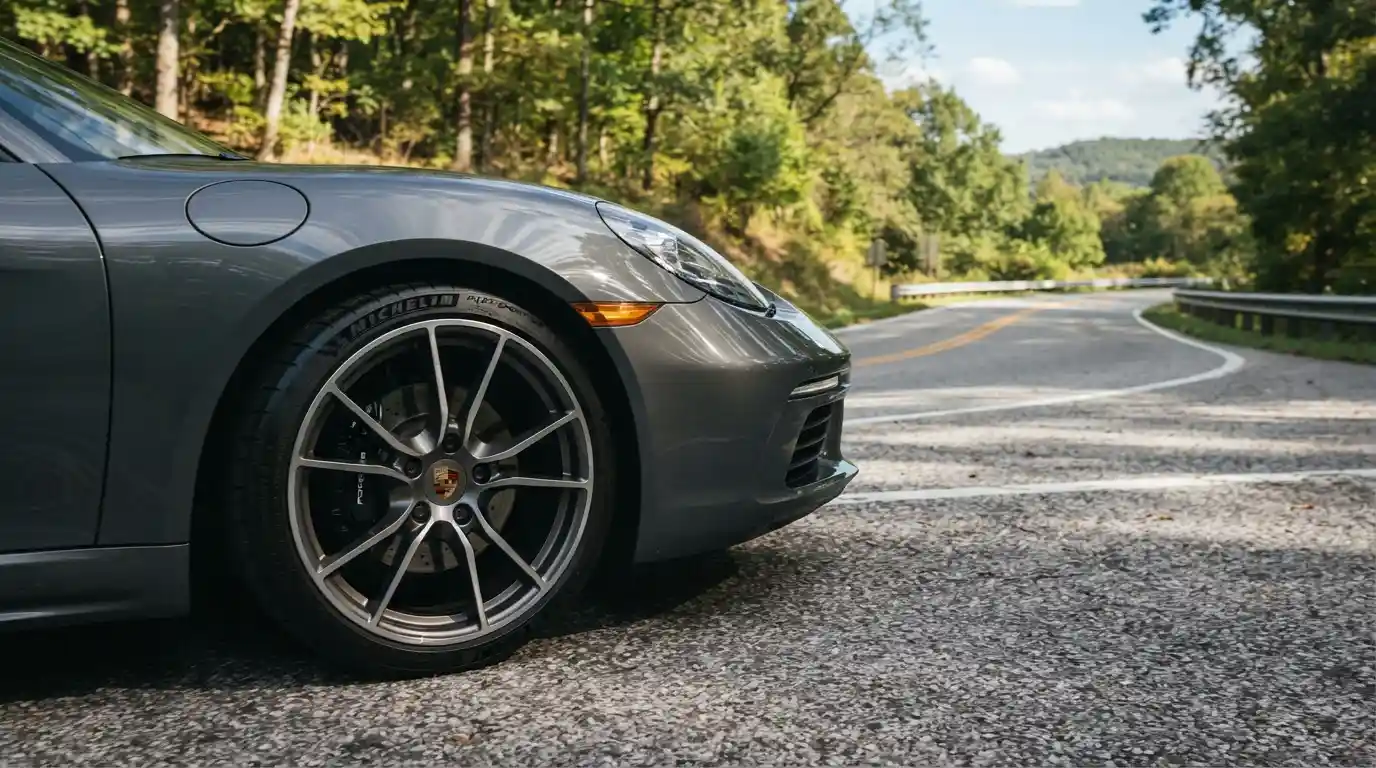
Choosing the right performance tire, however, involves more than looking at the word “Sport” on the sidewall. Tire size, load rating, speed rating, road conditions, tread condition, inflation pressure, driving habits, and vehicle requirements all affect the final result.
This guide explains what SureDrive Sport is designed to offer, how it compares with more comfort-oriented tire choices, what drivers should know about wet-road performance and warranty coverage, and how to determine whether it is appropriate for a particular vehicle.
What Is SureDrive Sport?
SureDrive Sport is a performance-oriented tire intended for drivers who prefer a more active driving experience. The tire is positioned around sporty handling, responsive road manners, and dependable everyday usability rather than extreme track-focused performance.
That distinction is important. A sporty street tire is generally designed to balance handling with practical daily driving. Drivers may want sharper steering response and a more connected feel without accepting all of the compromises that can accompany highly specialized competition tires.
For anyone comparing vehicle-related topics, understanding the relationship between tires, handling, maintenance, and overall vehicle condition is equally important. Proper tire selection should always start with the requirements specified for the vehicle rather than with appearance or marketing language alone.
What Makes SureDrive Sport Different?
The primary attraction of SureDrive Sport is its focus on sporty handling. Drivers who find conventional touring tires too relaxed may prefer a tire designed around a more responsive driving character.
The available Sport fitments include higher speed ratings than many basic commuter tires. This makes correct vehicle fitment particularly important because the tire’s size, load index, and speed rating all need to be compatible with the vehicle.
It is also useful to distinguish a performance-oriented tire from other automotive upgrades. Replacing tires cannot compensate for worn suspension components, poor wheel alignment, damaged steering parts, or neglected braking systems. The best handling setup begins with a mechanically sound vehicle.
Key Benefits of SureDrive Sport
Sportier Handling
The biggest reason to consider SureDrive Sport is its sporty road behavior. A suitable performance tire can provide a more responsive steering sensation and make directional changes feel more controlled.
This can be particularly noticeable for drivers who regularly use winding roads, highway ramps, or vehicles with naturally sportier handling characteristics.
Responsive Road Feel
Steering response is one of the characteristics that separates sporty tires from many comfort-focused options. A tire with a performance-oriented design can make steering inputs feel more immediate.
However, responsiveness should not be confused with unlimited grip. Every tire has physical limits, and road temperature, pavement quality, tire pressure, tread depth, and weather can significantly change how a vehicle behaves.
Wet-Road Capability
Wet-road performance is another important consideration when choosing tires. SureDrive Sport is designed to provide reliable wet performance, but no tire eliminates the risks associated with standing water, worn tread, excessive speed, or poor road conditions.
Drivers should regularly inspect tread depth and inflation pressure. Tires with insufficient tread may have substantially less ability to move water away from the contact area, particularly during heavy rain.
Everyday Usability
Not every driver wants an aggressive tire intended primarily for a track environment. SureDrive Sport is positioned as a practical performance-oriented option, allowing drivers to pursue a sportier feel while still using the vehicle for normal transportation.
SureDrive Sport Tire Sizes and Fitment
Fitment should always be checked before purchasing any tire. A tire that physically fits onto a wheel is not automatically the correct tire for a particular vehicle.
SureDrive Sport is offered in multiple performance-oriented sizes, including applications using 17-, 18-, 19-, and 20-inch wheels. Certain fitments also use extra-load construction and higher speed ratings.
The correct starting point is the vehicle’s tire information placard, typically located on the driver’s-side door jamb or another manufacturer-designated location. The vehicle owner’s manual can provide additional information.
Drivers should verify at least:
- Tire width
- Aspect ratio
- Wheel diameter
- Load index
- Speed rating
- Whether standard-load or extra-load construction is required
Do not substitute a different tire size simply because it looks better or is available at a lower price. Any change from the manufacturer’s recommended specification should be carefully evaluated for compatibility.
Understanding the Speed Rating
Speed ratings indicate the tire’s tested speed capability under specified conditions; they are not a recommendation to drive at that speed on public roads.
SureDrive Sport fitments include V- and W-rated applications. A W rating is associated with a higher rated speed capability than a V rating, but the appropriate rating for a vehicle should be based on the manufacturer’s specifications and the specific tire size.
Drivers should never select a tire solely because it has a higher speed rating. Correct load capacity, dimensions, wheel compatibility, and vehicle requirements remain essential.
How SureDrive Sport Handles in Rain
Rain performance matters even for drivers who spend most of their time in dry conditions. Weather can change quickly, and a previously dry road can become slippery within minutes.
SureDrive Sport is designed with wet-road performance in mind. Nevertheless, wet grip depends on several factors beyond the tire model itself.
These include:
- Remaining tread depth
- Inflation pressure
- Vehicle weight
- Road surface quality
- Water depth
- Vehicle speed
- Temperature
- Alignment and suspension condition
Maintaining the recommended tire pressure is one of the simplest ways to support predictable handling. Underinflation or overinflation can affect steering response, wear patterns, and overall vehicle behavior.
SureDrive Sport vs. Comfort-Oriented Tires
The right tire depends heavily on how a vehicle is used.
A comfort-oriented touring tire may be preferable for drivers who prioritize a quiet ride, relaxed highway cruising, and everyday convenience. A sport-oriented tire makes more sense for drivers who place greater emphasis on steering response and handling character.
For example, drivers researching broader tire choices may also want to understand how surface heat and driving conditions can accelerate tire wear. That consideration becomes especially important when a vehicle is driven aggressively or frequently encounters high temperatures.
The goal should not be to choose the most aggressive tire available. Instead, choose the tire that best matches the vehicle, climate, road conditions, mileage expectations, and driving style.
How Long Can SureDrive Sport Tires Last?
Eligible SureDrive Sport fitments carry a limited mileage warranty of up to 50,000 miles. Actual tire life can vary considerably, however, and the warranty should not be interpreted as a guaranteed service life.
Driving style, alignment, tire pressure, road surfaces, vehicle weight, rotation practices, climate, and maintenance can all influence tread wear.
A driver who frequently accelerates hard, brakes aggressively, takes corners quickly, or drives on rough roads may experience different wear than someone who primarily commutes on smooth highways.
Regular inspection can identify problems before they become serious. Uneven wear may indicate alignment, suspension, inflation, or rotation issues rather than simply a problem with the tire itself.
Signs Your Tires Need Attention
Regardless of the tire brand, drivers should pay attention to changes in handling and visible tire condition.
Warning signs can include:
- Uneven tread wear
- Repeated loss of air pressure
- Visible cuts, cracks, bulges, or other damage
- Vibration that develops while driving
- Steering pulling to one side
- Reduced wet-road confidence
- Unusually rapid tread wear
Some problems are caused by wheels, alignment, suspension, or other components rather than the tires alone. A qualified automotive technician can help determine the underlying cause.
Why Wheel Alignment Matters
Even a quality performance tire cannot perform properly if the vehicle’s wheels are significantly out of alignment.
Incorrect alignment can cause accelerated or uneven tread wear and may affect steering behavior. If a new set of tires begins wearing unevenly, replacing the tires again without investigating the cause can become an expensive cycle.
Drivers who want to protect their investment should combine appropriate tires with regular vehicle inspections and maintenance.
SureDrive Sport for Highway Driving
SureDrive Sport can be appropriate for highway driving when the tire is correctly fitted to the vehicle and maintained according to the manufacturer’s recommendations.
At highway speeds, tire condition becomes particularly important. Drivers should check inflation pressure before long trips and inspect the tread and sidewalls for obvious damage.
For broader travel planning, readers can also explore guides such as the best places to visit in the USA this summer, cool places to visit in the United States, and the best places to visit along the U.S. East Coast when planning longer road trips.
Road Trips and Tire Preparation
A performance-oriented tire can be part of a good road-trip setup, but preparation should go beyond choosing tires.
Before a long journey, check tire pressure, tread condition, spare-tire availability, wheel condition, fluid levels, lights, brakes, and windshield visibility.
Long-distance travelers exploring destinations such as Texas, Nashville, or San Diego County should also account for changing road surfaces and weather conditions during their route.
Driving Conditions Can Affect Tire Wear
Tire wear is not determined by mileage alone. Heat, pavement texture, vehicle loading, braking patterns, cornering forces, and road conditions all contribute.
Drivers who regularly encounter high temperatures should be particularly attentive to inflation pressure and tread condition. Long periods of highway driving can also generate substantial heat within the tire.
Understanding how surface temperature and track conditions affect tire wear can help performance-minded drivers better understand why aggressive use may shorten tread life.
Is SureDrive Sport Good for Everyday Driving?
For a vehicle with compatible fitment, SureDrive Sport can make sense for everyday driving when the owner values sporty handling and responsive road feel.
It may be less compelling for someone whose highest priorities are maximum ride softness, very quiet operation, or the longest possible tread life. Those drivers may prefer a touring-oriented design instead.
There is no universally perfect tire. The best choice is the one that matches the vehicle and the driver’s priorities.
How to Choose the Right SureDrive Tire
SureDrive offers different tire categories aimed at different types of driving. The Sport model focuses on sporty handling, while other models are designed around everyday comfort, highway use, or other requirements.
When comparing options, consider:
- Vehicle type: Confirm the tire is approved for your vehicle.
- Original tire size: Match the manufacturer’s specified dimensions unless a qualified professional recommends an alternative.
- Driving style: Decide whether comfort or handling is the higher priority.
- Climate: Consider the rain, heat, snow, and temperature ranges you regularly encounter.
- Annual mileage: Estimate how much you drive each year.
- Load requirements: Make sure the tire can safely support the vehicle’s required load.
- Budget: Compare the complete cost of ownership rather than simply the purchase price.
Final Verdict: Is SureDrive Sport Worth Considering?
SureDrive Sport is worth considering for drivers seeking a practical performance-oriented tire with an emphasis on sporty handling, responsive road feel, and reliable wet-road performance.
Its suitability ultimately depends on correct vehicle fitment and the driver’s priorities. Someone who wants a more engaging driving character may appreciate its positioning, while a driver primarily seeking maximum comfort may be better served by a touring-oriented alternative.
The most important step is to start with the vehicle manufacturer’s required tire size, load rating, and speed rating. From there, compare tire characteristics against your normal driving environment and maintenance habits.
Whether you are commuting every day, taking longer highway journeys, or enjoying a more responsive driving experience, properly selected and maintained tires are a fundamental part of safe and predictable vehicle performance.
Frequently Asked Questions
What type of tire is SureDrive Sport?
SureDrive Sport is a performance-oriented passenger tire designed around sporty handling and everyday usability.
How long is the SureDrive Sport warranty?
Eligible SureDrive Sport applications carry a limited mileage warranty of up to 50,000 miles. Conditions and eligibility can vary by fitment.
Is SureDrive Sport suitable for rain?
The tire is designed for reliable wet performance, but wet-road safety also depends on tread depth, inflation pressure, speed, water depth, road conditions, and vehicle condition.
Does SureDrive Sport have a high speed rating?
Some SureDrive Sport fitments use V or W speed ratings. Always select the rating appropriate for the specific vehicle and tire size.
How do I know whether SureDrive Sport fits my vehicle?
Check the vehicle’s tire information placard and owner’s manual for the recommended tire size, load index, and speed rating, then verify that the specific SureDrive Sport fitment matches those requirements.
Is SureDrive Sport a good choice for daily driving?
It can be a suitable daily-driving option for owners who prioritize sporty handling and responsive road feel, provided the tire is correctly fitted and maintained.