
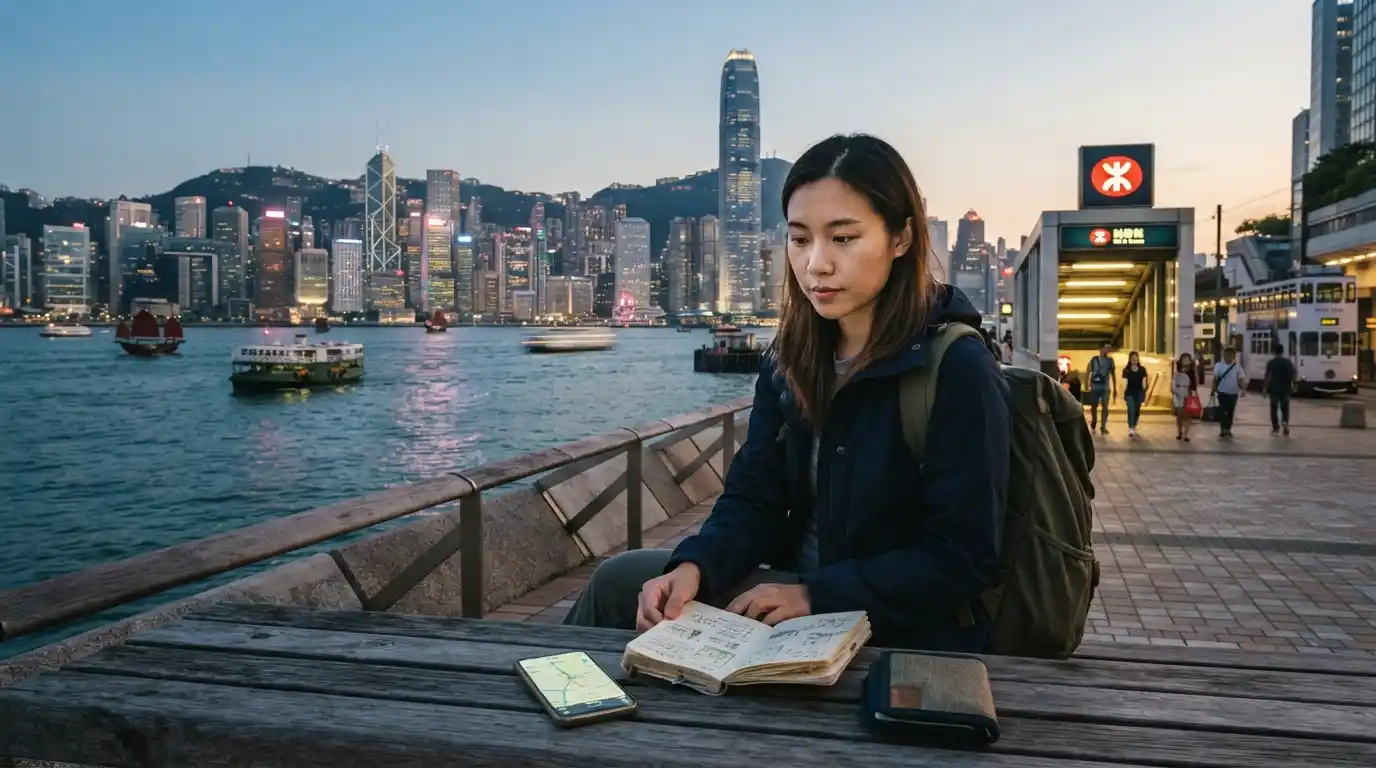
Hong Kong combines a dense modern skyline with historic neighborhoods, traditional markets, islands, hiking trails, beaches, museums, and world-class food. That variety means travelers can build very different budgets for the same destination. A luxury traveler may spend heavily on hotels, restaurants, shopping, and private experiences, while a budget traveler can keep costs much lower by staying in smaller accommodations and relying on the city’s efficient public transportation.
This guide explains the main costs to consider when planning a Hong Kong trip, including accommodation, food, transportation, attractions, shopping, and everyday expenses. It also explains how to save money without missing the experiences that make the city worth visiting.
Is Hong Kong Expensive to Visit?
Hong Kong is often considered an expensive Asian destination, but the answer depends heavily on your travel style. Accommodation is usually one of the biggest expenses, especially if you want a centrally located hotel with more space or upscale facilities.
Food and transportation are easier to manage. Travelers can find inexpensive local meals alongside premium restaurants, while the MTR, buses, trams, and ferries provide practical alternatives to using taxis for every journey.
The biggest mistake is assuming that every part of a Hong Kong trip has to be expensive. You can enjoy iconic neighborhoods, public viewpoints, markets, temples, waterfront areas, hiking routes, and many cultural experiences without paying premium prices.
If you are comparing destinations before booking, it can also be useful to look at the best places to visit in Indonesia, places to visit in Japan, or the best places to visit in Europe to see how different travel styles can affect your overall budget.
What Makes Hong Kong Expensive?
Several factors can push the cost of a Hong Kong vacation higher than expected.
- Accommodation: Hotels in central areas can be expensive, especially during busy travel periods.
- Limited space: Hong Kong’s dense urban environment means hotel rooms can be smaller while still commanding significant prices.
- Dining: Fine dining and international restaurants can quickly increase your daily budget.
- Shopping: Luxury brands, electronics, fashion, and entertainment can add substantially to trip costs.
- Attractions: Popular ticketed attractions and special experiences can add up when several are included in one itinerary.
- Travel season: Hotel and airfare prices can vary considerably depending on demand.
However, these factors do not mean that every traveler needs a large budget. Hong Kong’s public infrastructure and range of accommodation and dining options make it possible to build a more economical itinerary.
Average Hong Kong Travel Budget
A useful way to estimate the cost of Hong Kong travel is to divide travelers into three broad categories: budget, mid-range, and luxury.
Budget Travel
Budget travelers can reduce costs by staying in hostels, guesthouses, or basic rooms, eating primarily at local restaurants, using public transportation, and prioritizing free or low-cost attractions.
A budget trip requires more planning, but it can still provide a strong introduction to the city. Travelers may spend more time exploring neighborhoods on foot, visiting public spaces, enjoying markets, and choosing only a few paid attractions.
Mid-Range Travel
Mid-range travelers typically have more flexibility. They can choose a comfortable hotel, eat at a mixture of local restaurants and casual international establishments, use public transportation while occasionally taking taxis, and visit several paid attractions.
For many visitors, this is the most practical approach because it provides comfort without requiring luxury-level spending.
Luxury Travel
Luxury travelers can spend significantly more on premium hotels, fine dining, private transportation, high-end shopping, rooftop experiences, exclusive tours, and upgraded flights.
Hong Kong has no shortage of luxury options, so there is essentially no fixed upper limit for a high-end itinerary.
How Much Does Accommodation Cost in Hong Kong?
Accommodation is one of the most important parts of a Hong Kong travel budget. Prices vary by neighborhood, room size, hotel category, season, and how early you book.
Budget accommodation can include hostels, guesthouses, and compact rooms in less central areas. Mid-range hotels provide more comfort, while luxury properties can command considerably higher nightly rates.
Location matters as much as hotel category. Staying close to an MTR station can be more valuable than choosing a property simply because it appears close to a particular attraction.
Travelers should also remember that accommodation-related charges can affect the final bill. When comparing hotels, check the complete price rather than relying only on the advertised nightly rate.
If you are interested in comparing international accommodation and destinations, you can also explore where to stay when visiting Washington, DC, Havasu Falls hotels, and luxury accommodation in San Diego.
Ways to Save Money on Hong Kong Hotels
You do not necessarily need to stay in the most expensive central hotel to enjoy Hong Kong.
- Compare several neighborhoods before booking.
- Choose accommodation close to an MTR station.
- Travel during less busy periods when possible.
- Book early if your dates are fixed.
- Consider a smaller room if you plan to spend most of your time outside.
- Compare the total booking price rather than just the base nightly rate.
Is Food Expensive in Hong Kong?
Hong Kong food costs can range from very affordable to extremely expensive. The city is particularly friendly to travelers who enjoy local food and casual dining.
Local eateries, noodle shops, rice dishes, bakeries, food courts, and casual restaurants can provide filling meals without the price of upscale dining. On the other hand, international restaurants, hotel restaurants, Michelin-recognized establishments, and premium tasting menus can make food one of the most expensive parts of a trip.
Budget Food Options
Budget-conscious travelers should look for local eateries away from the most tourist-heavy areas. Markets and neighborhood restaurants can also provide opportunities to experience Hong Kong’s food culture without spending heavily.
Mid-Range Dining
With a moderate food budget, you can combine local restaurants with casual cafés and international dining. This provides variety while keeping your daily spending under control.
Fine Dining
Fine dining is where food expenses can increase quickly. Travelers interested in premium culinary experiences should set a separate restaurant budget rather than assuming meals will all cost roughly the same.
Hong Kong also has an extensive café and street-food culture, which gives visitors plenty of opportunities to experiment without turning every meal into a major expense.
Transportation Costs in Hong Kong
Transportation is one of the areas where Hong Kong can be surprisingly manageable for travelers. The city has an extensive network of trains, buses, trams, ferries, and taxis.
The MTR is particularly useful for visitors because it connects many major areas quickly and makes it easier to build an itinerary without depending on private transportation.
Buses can also be useful for routes that are not as convenient by rail. Hong Kong’s historic trams offer another inexpensive way to experience parts of Hong Kong Island.
Ferries are valuable when traveling between islands and waterfront destinations, while taxis can be useful when carrying luggage or traveling with several people.
For travelers trying to control costs, the best strategy is generally to use public transportation for most journeys and reserve taxis for situations where they provide a clear advantage.
How to Get Around Hong Kong on a Budget
Start by planning your daily itinerary geographically. Instead of crossing the city repeatedly, group nearby attractions together. This saves both time and transportation costs.
An Octopus travel card or another convenient payment option can also simplify everyday transportation and small purchases. Before traveling, check which payment methods are accepted for the services you intend to use.
Walking is another excellent way to experience Hong Kong. Some of the city’s most memorable experiences come from simply exploring neighborhoods, waterfront areas, markets, streets, and viewpoints rather than moving from one paid attraction to another.
Attraction Costs in Hong Kong
Hong Kong offers a combination of free and paid attractions. This makes it relatively easy to balance an itinerary.
Popular attractions, observation experiences, theme parks, museums with admission charges, and special tours can increase your budget. Meanwhile, public spaces, markets, neighborhoods, waterfront walks, hiking trails, and many cultural sites can be enjoyed at little or no cost.
Rather than buying every available attraction ticket, identify the experiences that are genuinely important to you. A smaller number of memorable paid attractions can be more satisfying than trying to visit everything.
Travelers interested in destination comparisons can also explore the world’s most visited places, must-visit places around the world, and popular destinations featured in major travel guides.
Free and Low-Cost Things to Do in Hong Kong
One of the easiest ways to reduce your Hong Kong budget is to include free experiences between paid attractions.
- Walk along Victoria Harbour.
- Explore traditional markets.
- Visit different neighborhoods on foot.
- Take a scenic public transport journey.
- Explore temples and cultural areas.
- Enjoy city views from public spaces.
- Spend time on Hong Kong’s hiking trails.
- Explore selected beaches and outdoor areas.
This approach also creates a better balance in your itinerary. Instead of spending money every few hours, you can mix paid experiences with free exploration.
Is Hong Kong More Expensive Than Other Asian Destinations?
Hong Kong can feel more expensive than destinations where accommodation and dining are generally cheaper. However, the comparison depends on the type of trip.
A traveler staying in a luxury hotel, eating at premium restaurants, and shopping heavily will find Hong Kong expensive. Someone staying in simple accommodation, eating local food, and using public transportation may find the city much more manageable.
If you are comparing Hong Kong with other destinations, consider the total cost of your preferred travel style rather than comparing individual prices. You can also review Japan destinations for anime fans, Malaysia honeymoon destinations, and popular places to visit in the Philippines when planning an Asia-focused trip.
Best Time to Visit Hong Kong for Better Value
Travel costs can change according to demand, holidays, events, weather, and hotel availability. Travelers looking for better value should compare multiple date combinations before booking flights and accommodation.
Weather should also be considered. Hong Kong has a subtropical climate, and conditions can influence outdoor activities and sightseeing plans. A slightly cheaper trip is not necessarily better value if poor weather prevents you from enjoying the experiences you planned.
Seasonal travel planning is also useful when comparing destinations. For example, travelers can explore winter destinations in Wisconsin, Greece in fall, and New England in summer for different seasonal travel experiences.
How Much Money Should You Budget for Shopping?
Shopping is one of the easiest ways to accidentally increase a Hong Kong travel budget.
The city offers everything from local markets and small independent shops to major shopping centers and luxury boutiques. Before arriving, decide whether shopping is a primary part of your trip or simply something you will do if you find something interesting.
If shopping is not a priority, set a fixed spending limit. This prevents spontaneous purchases from affecting your accommodation, dining, or sightseeing budget.
Hidden Costs to Consider
A good travel budget should account for more than hotel rooms and flights. Small expenses can add up over several days.
- Hotel-related taxes or charges
- Airport transportation
- Travel insurance
- SIM or mobile data
- Attraction tickets
- Restaurant service charges
- Shopping and souvenirs
- Luggage storage
- Unexpected taxi journeys
- Snacks and drinks during sightseeing
Leaving a small emergency allowance in your budget can make the trip much less stressful.
Tips for Visiting Hong Kong on a Budget
- Choose accommodation strategically. A hotel near reliable public transportation can provide better value than a more expensive property in a premium location.
- Eat like a local. Mix casual local meals with a few special dining experiences.
- Use public transportation. Trains, buses, trams, and ferries can significantly reduce transportation expenses.
- Walk whenever practical. Walking can save money while helping you discover neighborhoods.
- Balance paid and free attractions. Do not assume that an expensive attraction is automatically a better experience.
- Plan your daily route. Group attractions by location to reduce unnecessary travel.
- Set a shopping budget. Decide in advance how much you are comfortable spending.
- Compare booking dates. Even a small change in travel dates can affect accommodation costs.
- Keep an emergency fund. Unexpected transportation, food, or accommodation expenses are easier to handle when you have a buffer.
- Book according to your priorities. Spend more on the experiences that matter most to you and save on less important areas.
Is Hong Kong Worth the Cost?
For many travelers, Hong Kong can be worth the cost because it offers an unusually broad range of experiences within a relatively compact destination. You can combine modern architecture, traditional culture, shopping, food, nightlife, outdoor adventures, islands, and scenic viewpoints in one trip.
The key is deciding what type of trip you want before setting your budget. If your priority is luxury accommodation and fine dining, expect Hong Kong to be expensive. If your priority is exploring neighborhoods, trying local food, using public transportation, and enjoying free attractions, the destination becomes considerably more accessible.
Travelers planning a broader trip can also compare Hong Kong with destinations such as Indonesia, Japan, and spring travel destinations before deciding where to spend their vacation budget.
Final Verdict: Is Hong Kong an Expensive Place to Visit?
Yes, Hong Kong can be expensive, but it does not have to be prohibitively expensive. Accommodation is usually the biggest challenge for budget travelers, while food and transportation offer more opportunities to save.
The smartest approach is to build your trip around your priorities. Choose practical accommodation, use public transportation, eat at a mixture of local and casual restaurants, select paid attractions carefully, and leave room in your budget for unexpected expenses.
With thoughtful planning, travelers can experience the best of Hong Kong without spending at luxury-travel levels. The city rewards visitors who explore beyond the most expensive options, making it possible to create anything from a tightly controlled budget trip to a premium vacation.
For more destination inspiration, you can also explore cool places to visit in the United States and the best places to visit in New York State when comparing future travel plans.