Women’s fashion in 1919 reflected a world in transition. The restrictive silhouettes and formal conventions of the early 1900s were gradually giving way to easier movement, simpler shapes, and a more modern approach to personal style. While fashion remained elegant and highly polished, women increasingly embraced clothing that offered greater practicality and freedom.
What Defined Women’s Fashion in 1919?
The year 1919 occupied an important place in fashion history. Women’s clothing still retained elements of prewar elegance, but designers were moving toward silhouettes that felt less restrictive. Waistlines became less rigidly emphasized, skirts were often shorter than those seen in earlier decades, and dresses increasingly prioritized movement.
Fashion was also becoming more versatile. Women needed clothing suitable for social occasions, work, shopping, travel, and everyday activities. This growing demand for practicality helped shape the transition toward modern women’s style.
The period’s interest in refined clothing also connects with the broader evolution of luxury and lifestyle apparel, where clothing serves both functional and expressive purposes.
The 1919 Women’s Dress Silhouette
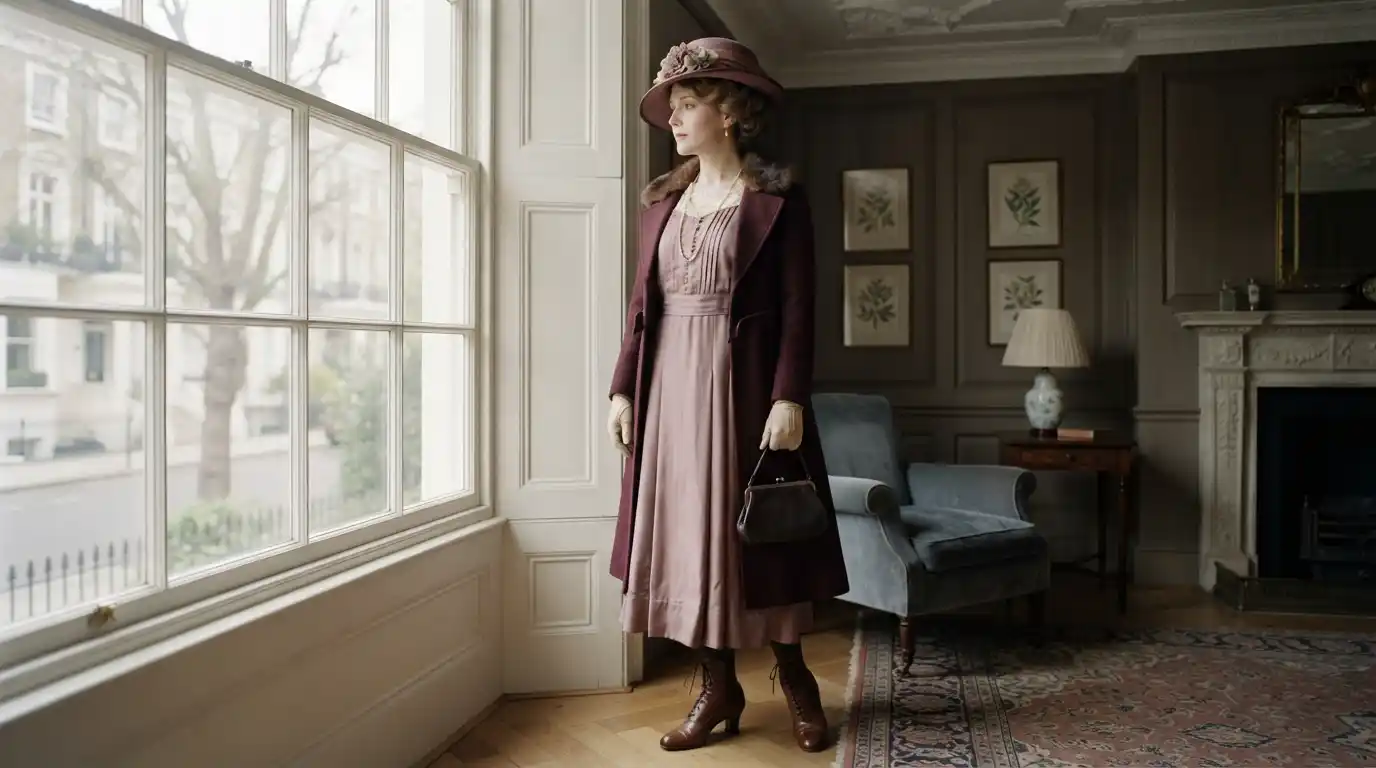
Dresses were at the heart of women’s fashion in 1919. Instead of the sharply defined hourglass shape associated with earlier Victorian and Edwardian styles, many dresses featured a softer, more elongated silhouette.
Loose or moderately fitted bodices were paired with skirts that allowed greater movement. The overall appearance could still be elegant and feminine, but the construction was gradually becoming less rigid.
Soft Waistlines
One of the most noticeable changes was the treatment of the waist. Rather than forcing the body into an extremely narrow shape, many garments used natural or slightly lowered waistlines. This helped create a longer visual profile.
Longer, Fluid Lines
Vertical lines became increasingly important. Dresses often appeared streamlined, while layered fabrics, pleats, panels, and decorative details added movement without relying on excessive structure.
This shift toward a more relaxed silhouette can be compared with the continuing evolution of modern luxury and everyday elegance.
Popular Fabrics and Decorative Details
Fashionable clothing in 1919 could incorporate a variety of fabrics depending on the occasion and the wearer’s budget. Silk, satin, velvet, wool, cotton, and lightweight decorative materials all had important roles in women’s wardrobes.
Even when the overall silhouette was becoming simpler, decoration remained important. Embroidery, lace, beading, pleats, ribbons, contrasting panels, and carefully positioned trims could transform a relatively simple dress into an elegant ensemble.
Accessories were equally important. Jewelry and decorative details helped women personalize outfits, much as contemporary wardrobes use statement accessories to create a distinctive appearance. The continuing appeal of gold earrings and timeless jewelry design demonstrates how accessories can remain central to personal style across different eras.
Hats Were Essential Accessories
A 1919 outfit was rarely considered complete without a suitable hat. Headwear played both a practical and decorative role, helping create a polished appearance while complementing the proportions of the clothing.
Large brimmed hats, structured styles, ribbons, flowers, feathers, and other decorative elements could all appear in fashionable ensembles. Hat selection was often coordinated with the dress, coat, gloves, or other accessories.
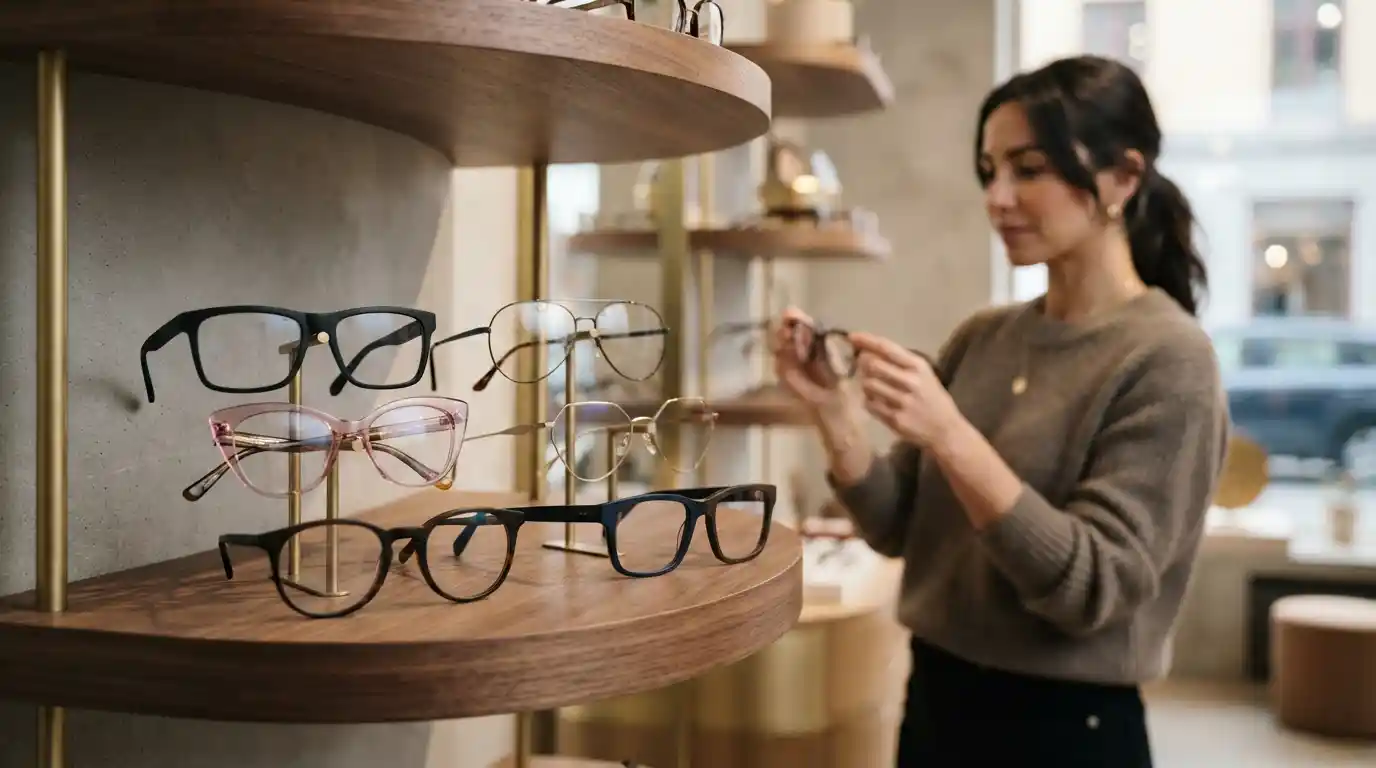
The importance of coordinated accessories in historical fashion provides useful context for understanding modern approaches to fashionable eyewear and accessories.
Footwear and Stockings in 1919
Shoes were another important part of a woman’s overall appearance. Practicality was becoming increasingly important, but fashionable footwear still featured decorative elements such as straps, buckles, heels, and contrasting materials.
Stockings were generally an essential component of a properly finished outfit. Depending on social setting and season, women could choose different colors and materials to coordinate with their clothing.
The result was a carefully assembled appearance in which even smaller details contributed to the overall style.
Evening Fashion in 1919
Eveningwear remained more decorative than daytime clothing. Women attending formal dinners, dances, theater performances, and other social occasions could wear dresses featuring luxurious fabrics, intricate embellishment, delicate sleeves, and decorative necklines.
Evening dresses often emphasized elegance without necessarily returning to the extremely restrictive silhouettes of previous decades. Soft draping, layered materials, embroidery, beading, and carefully designed proportions created a sophisticated appearance.
The era’s fascination with polished presentation is useful when considering the broader relationship between fashion, entertainment, and social occasions, a theme that remains visible in modern luxury entertainment experiences.
Daywear Became More Practical
Daytime clothing in 1919 increasingly reflected women’s changing routines. Everyday dresses, skirts, blouses, coats, and practical separates offered more flexibility than heavily structured outfits from earlier decades.
Women could still maintain a fashionable appearance while choosing clothing that was better suited to work, shopping, commuting, and social activities. This balance between practicality and style became increasingly important as women’s roles continued to evolve.
The concept has strong parallels with today’s interest in clothing that combines comfort and appearance, including contemporary fashion focused on identity, confidence, and modern style.
Women’s Fashion Colors and Patterns
Color choices varied considerably in 1919. Neutral shades, soft tones, darker colors, and richer decorative hues could all be incorporated into fashionable wardrobes. Seasonal preferences and the formality of an occasion often influenced the final palette.
Patterns and surface decoration were also important. Stripes, floral motifs, geometric arrangements, embroidery, and decorative borders could add visual interest to otherwise streamlined garments.
Rather than relying exclusively on dramatic silhouettes, fashion increasingly used fabric, texture, color, and carefully placed decoration to create visual appeal.
Beauty and Grooming Completed the Look
Clothing represented only one part of a fashionable woman’s appearance. Hair styling, skin care, hats, jewelry, gloves, and other personal details helped complete an ensemble.
This relationship between fashion and beauty remains familiar today. Modern style continues to combine clothing with grooming and personal-care choices, including specialized beauty and skincare trends.
Historical beauty practices can also be placed alongside the broader evolution of modern beauty routines and changing approaches to personal presentation.
Accessories That Shaped a 1919 Outfit
Accessories could dramatically change the character of an outfit. Gloves, handbags, hats, jewelry, belts, shoes, and decorative hair pieces were all useful for adding personality and polish.
Accessories also offered an opportunity to introduce contrast. A relatively simple dress could become more distinctive through carefully selected jewelry or an elaborately decorated hat.
This principle remains relevant in contemporary fashion, where a carefully selected accessory can transform an otherwise understated outfit.
Fashion and Changing Ideas About Women
The importance of 1919 fashion goes beyond clothing itself. Women’s wardrobes were responding to broader changes in society. Greater participation in public life and changing expectations around work, independence, mobility, and social activities encouraged designers to rethink traditional garments.
Clothing could therefore communicate both elegance and practicality. The move toward less restrictive silhouettes was not simply a matter of appearance; it reflected a changing relationship between women’s clothing and everyday life.
That connection between clothing and identity remains central to modern discussions about fashion, personal expression, and meaningful clothing choices.
How 1919 Influenced the 1920s
The fashion of 1919 helped prepare the way for the dramatic changes of the following decade. The move toward simpler silhouettes, greater freedom of movement, and less rigid waist definition became increasingly pronounced during the early 1920s.
Women’s fashion would soon become associated with shorter hemlines, straighter silhouettes, bold decorative details, and a distinctly modern attitude. The transformation did not happen overnight. Instead, styles such as those seen in 1919 helped establish the foundation.
Looking at historical clothing in this way also shows why fashion is constantly evolving. Styles rarely disappear completely; instead, elements are adapted, simplified, combined, and reinterpreted for new generations.
Why 1919 Women’s Fashion Still Matters
1919 women’s fashion remains fascinating because it captures a moment of transition. Traditional elegance was still visible, but a more practical and modern approach to dressing was emerging.
The period demonstrates how clothing can reflect changes in lifestyle, culture, technology, social expectations, and personal identity. From dresses and hats to jewelry and beauty routines, every element contributed to the visual language of the era.
Modern fashion continues to revisit historical ideas. Contemporary designers frequently reinterpret vintage silhouettes, decorative techniques, accessories, and fabrics rather than simply copying the past.
For anyone interested in fashion history, the period also provides an excellent starting point for exploring broader subjects such as fashion terminology and style concepts, historical accessories, and the evolution of women’s clothing.