Some of the most beautiful nights in America cost less than a fast-food meal. Budget camping in the USA lets you sleep under the stars in national parks, forests, and state parks for $10 to $35 a night — sometimes free — while hotel guests a few miles away pay ten times as much. A good tent, a sleeping bag, and a cooler of groceries can turn a $2,000 vacation into a $600 adventure, and the scenery is usually better than anything a hotel window offers.
This guide covers everything a first-time or returning camper needs: where to camp cheaply, how much it really costs, what gear is worth buying, and how to book the sites that sell out in minutes. If you are combining camping with a longer journey, start with cheap flights in the USA to reach your trailhead affordably, and keep daily costs down with our cheap food while traveling tips.
How Much Does Budget Camping in the USA Really Cost?
Public campgrounds are the heart of cheap camping. National park campgrounds typically charge $15 to $30 a night for a tent site, and many state parks charge $20 to $35 with showers and electric hookups. National forest campgrounds are often cheaper still at $10 to $25, and dispersed camping — pitching a tent on public land outside developed sites — is free in most national forests, with a few simple rules about distance from roads and water.
Private campgrounds and KOA sites cost more, usually $35 to $75, but they add showers, laundry, Wi-Fi, and camp stores that can be worth it after a few rustic nights. For a full cost picture, budget about $20 a night for a site, $12 to $18 a day for groceries cooked at camp, and $5 to $10 a day for park entry or fuel. A week of camping for two people can realistically total $400 to $600, including food and gas — less than two nights in a decent city hotel.
One money saver many campers miss is the America the Beautiful Pass. At $80 a year, it covers entry to all national parks and federal recreation areas, and it pays for itself after about three park visits. Seniors over 62 can buy a lifetime Senior Pass for $80, a deal that makes repeat trips nearly free at the gate.
Best Places for Budget Camping in the USA
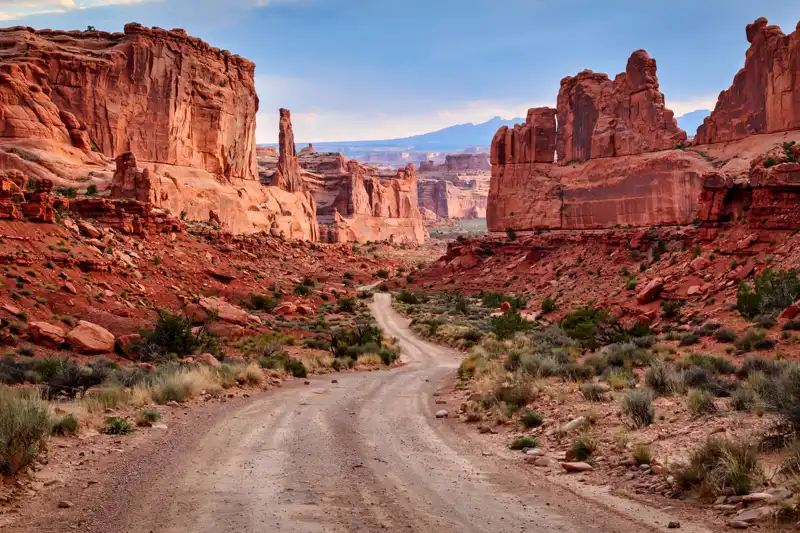
The national parks are the obvious starting point, and our budget national parks trip guide maps the cheapest way to see several parks in one journey. Yellowstone and Grand Teton offer campgrounds from $15 a night, though they book out months ahead. In the West, dispersed camping in national forests around Moab, Sedona, and the Sierra Nevada gives you red-rock and alpine scenery for free.
State parks are the underrated bargain. Texas state parks charge around $20 a night, Florida state parks run $24 to $28 with beach access, and California state parks offer ocean-view sites for $35 to $50 — still half the price of a coastal motel. In the Pacific Northwest, campgrounds near Seattle pair well with free things to do in Seattle, and Colorado sites near Denver work beautifully with free things to do in Denver.
For something different, consider beach camping on the Gulf Coast, desert camping in Joshua Tree, or lakeside camping in the Ozarks. Each region has its own season: desert parks shine from October to April, mountain parks from June to September, and southern beaches nearly year-round.
Booking Campsites Before They Sell Out
The hardest part of budget camping is not the camping — it is the reservation. National park sites on Recreation.gov open six months ahead and popular campgrounds like those in Yosemite and Yellowstone sell out within minutes. Set a calendar alert for your booking window, log in early, and have backup dates ready. If you miss out, check again two to four weeks before your trip, when cancellations spike.
State park systems use their own booking sites, usually with windows from four to eleven months ahead. For first-come, first-served campgrounds, arrive before noon on weekdays and before 9 a.m. on summer weekends. Apps like Campendium, iOverlander, and The Dyrt list free dispersed sites with recent reviews, GPS coordinates, and cell-signal reports — invaluable when you are hunting a free spot.
As you embark on your budget camping adventure, it’s essential to consider every aspect of your travel expenses, including the often-overlooked costs associated with air travel. While your camping gear and food might keep your outdoor expenses low, navigating the airport experience can sometimes be a hidden drain on your wallet. This is where understanding your options for relaxation and comfort can make a significant difference. For instance, taking advantage of cheap airport lounges USA can transform your layover or pre-flight experience into a more enjoyable and cost-effective affair, allowing you to recharge before you hit the trails without breaking the bank. By integrating smart travel choices into your overall budget, you can maximize your adventure while minimizing unnecessary expenditures, ultimately making your trip more enriching and affordable.
Flexibility is a budget tool. If you can camp Sunday through Thursday instead of Friday and Saturday, you will find more sites, quieter campgrounds, and sometimes lower rates. Pair a midweek camping stretch with a solo road trip across the USA and you have a genuinely cheap American adventure.
Essential Gear Without the Big Price Tag
You do not need $1,000 of gear to camp comfortably. A three-season tent from a reputable budget brand costs $80 to $150, a sleeping bag rated to 20°F runs $50 to $90, and a basic sleeping pad adds $30 to $60. Buy the tent and bag first; everything else can be borrowed or bought cheaply. A $40 camp stove, a cooler you already own, and a headlamp cover most cooking and lighting needs.
Check thrift stores, REI used-gear sales, and Facebook Marketplace before buying new — lightly used tents and stoves often sell for half price. If you are driving to camp, compare cheap car rental in the USA for a vehicle with enough cargo space, or save further with cheap train travel in the USA to a gateway town and a short shuttle ride.
Pack for the weather you might get, not the weather you hope for. A $15 rain tarp, warm layers, and a backup plan for a motel night during a storm turn a miserable trip into a minor detour. Always store food in bear boxes or your car in bear country, and carry more water than you think you need — a gallon per person per day in desert heat.
Camping With Pets, Friends, and Partners
Dogs love camping, and most national forests and state parks welcome them on trails and at campsites, though national parks restrict dogs on many trails. Read the rules before you go, and see our pet friendly travel guide for parks, gear, and etiquette that keep tails wagging. Camping with friends splits site fees to a few dollars each, which is why it fits so well with cheap group travel plans. Couples can make it romantic too — a lakeside site with a campfire dinner rivals any resort, and our cheap honeymoon destinations in the USA include several camping-friendly escapes.
If camping is on your life list, add a night under dark desert skies or beside a mountain lake to your solo travel bucket list. Some of the best camping memories come from the simplest nights: a fire, a clear sky, and nowhere to be in the morning.
Leave No Trace and Campground Etiquette
Cheap camping only stays cheap if campgrounds stay clean and open. Follow Leave No Trace: camp on durable surfaces, pack out all trash including food scraps, use existing fire rings, and keep noise down after quiet hours, usually 10 p.m. Respect site boundaries, never wash dishes in streams, and leave your site cleaner than you found it. Rangers notice, and the best free dispersed areas survive only because visitors treat them well.
Free Camping in the USA: How Dispersed Camping Works
Dispersed camping is the cheapest way to sleep in America, and it is completely legal on most national forest and Bureau of Land Management land. The rules are simple: camp at least 200 feet from lakes and streams, use existing sites where they exist, stay no longer than 14 days in one spot, and pack out everything you bring in. There are no reservations, no fees, and no facilities — you bring your own water, toilet setup, and trash bags. In return, you get solitude and scenery that paid campgrounds cannot match.
Finding good dispersed sites takes a little research. The free Campendium and iOverlander apps list sites with recent reviews, road conditions, and cell-signal strength, while national forest websites publish motor-vehicle-use maps showing exactly which roads allow camping. In the West, national forests around Flagstaff, Moab, Bend, and the Eastern Sierra are famous for easy, scenic dispersed camping. In the East, national forests in Virginia, West Virginia, and Vermont offer quieter, wooded sites, though they are fewer and farther between.
A few practical tips make dispersed camping comfortable. Arrive before sunset so you can judge the ground and the road, and never drive a low-clearance car down a rough forest road you have not checked — a tow bill erases a week of free camping. Carry a portable toilet kit or a WAG bag, store food away from animals, and download offline maps, because forest roads rarely have signal. With those basics covered, free camping can cut a two-week trip budget by $300 or more, leaving real money for experiences.
Conclusion: America Is Best Slept Outdoors
Budget camping in the USA is the single fastest way to cut trip costs while upgrading the experience. Public campgrounds, free dispersed sites, a modest gear kit, and smart booking can give you a week of mountain sunrises and lakeside evenings for less than a weekend hotel stay. Book early, pack sensibly, respect the land, and let the money you save fund the next park on your list. The stars, happily, are always free.