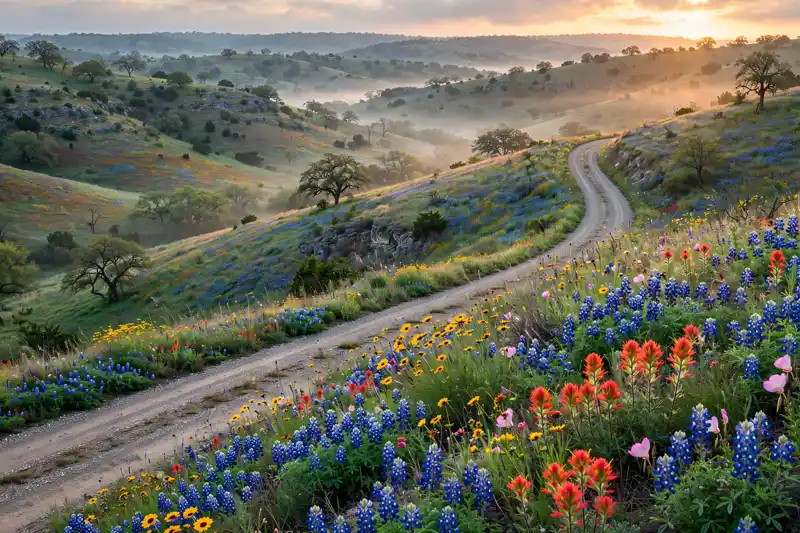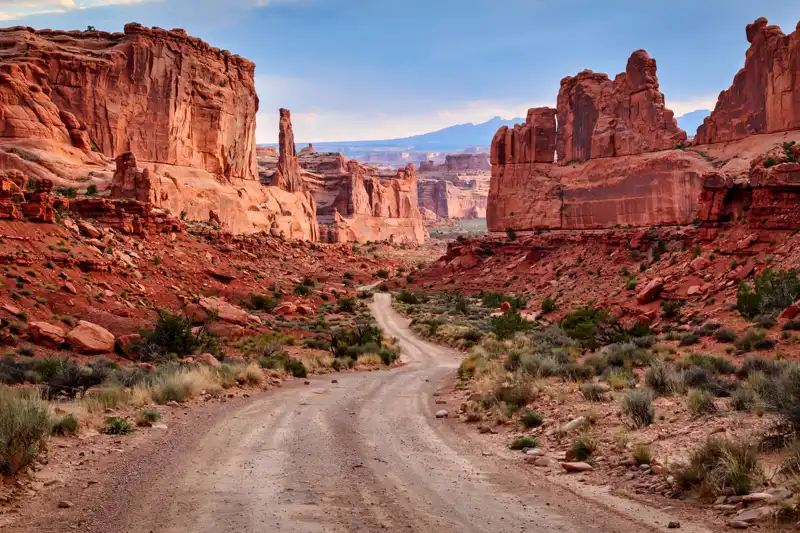

America’s national parks are some of the most beautiful places on earth, and they are also surprisingly affordable. With a little planning, a budget national parks trip can cost far less than a typical resort vacation, while giving you far better memories. The key is knowing where to save, where to spend, and how to avoid the costs that catch first-time visitors by surprise.
This guide shows you how to plan a budget national parks trip from start to finish. You will learn how to choose parks, save on entry fees, camp or stay cheaply nearby, eat well without restaurant prices, and build an itinerary that works for families, couples, and solo travelers alike.
Why a Budget National Parks Trip Works So Well
National parks are designed for public access, which keeps many costs low by nature. Entrance fees are modest compared with theme parks or attractions, and once you are inside, the main experiences — hiking, viewpoints, wildlife watching, and ranger programs — are free. In other words, the best parts of the parks cost almost nothing.
In addition, parks reward slow travel. Instead of rushing between expensive attractions, you spend your days outdoors, which naturally limits spending. A picnic with a canyon view beats an overpriced restaurant meal, and a sunrise hike costs nothing yet stays with you for years. That is why a budget national parks trip often feels richer than a far more expensive holiday.
Families benefit most of all. Children under a certain age often enter free, and many parks offer junior ranger programs that turn a visit into an educational adventure. For parents, this combination of low cost and high value is hard to beat anywhere else in the USA.
Choose the Right Parks for Your Budget
Start by picking parks that cluster together. Visiting several parks in one region saves fuel, driving time, and hotel moves. Utah’s famous Mighty Five, the parks of Arizona and New Mexico, and the California desert parks all work well as multi-park loops that keep transport costs down.
Next, consider the time of year. Summer is the busiest and often the most expensive season, with higher lodging prices and crowded campgrounds. Spring and fall usually offer better weather, fewer crowds, and lower prices, especially in desert parks. Winter can be the cheapest season of all in some parks, though you must check road closures and weather conditions first.
Finally, be honest about your travel style. If you love hiking and camping, remote parks will suit you perfectly. If you prefer easy viewpoints and comfortable lodging, choose parks with gateway towns that offer affordable motels and restaurants. The right park for your budget is the one that matches how you actually like to travel.
Save on Entry Fees With a Budget National Parks Trip
Most parks charge an entrance fee per vehicle, usually valid for seven days, which already makes them excellent value for a multi-day visit. However, if you plan to visit three or more parks in a year, an annual pass usually pays for itself quickly. Do the math before your first park: add up the individual fees and compare them with the annual pass price.
Some groups qualify for free or discounted passes, including military members, veterans, seniors, and fourth-grade students with their families. Check eligibility before you travel, because these programs can save a family a significant amount over a year of park visits.
Also watch for fee-free days. Several times a year, entrance fees are waived across the park system on special occasions. Planning a trip around a fee-free weekend is a simple way to save, especially if you are visiting a park with a higher-than-average entrance fee.
Camping and Cheap Stays Near the Parks
Camping inside the park is usually the cheapest overnight option, and it puts you right where the action is. You wake up to sunrise over the canyon instead of driving an hour from town, and you save on both lodging and fuel. Book early, though, because popular campgrounds fill months in advance.
If camping is not your style, look for gateway town motels, lodges just outside the park, or vacation rentals shared with friends or family. Staying twenty minutes outside the park is often much cheaper than staying inside it, and the drive is usually scenic rather than stressful.
Another smart option is to mix your stays. Spend a couple of nights camping for adventure and savings, then treat yourself to one comfortable motel night to recharge, shower properly, and do laundry. This balance keeps the trip affordable without making it feel like hard work.
Eat Well Without Blowing Your Budget
Food is where many park trips quietly get expensive. Restaurants inside parks and in gateway towns know visitors have few choices, so prices tend to be high. The solution is simple: bring a cooler, stock up at a supermarket before you enter the park, and plan picnics.
Breakfast is easy and cheap when you camp or stay in a motel with a kitchenette. Oatmeal, fruit, eggs, and coffee cost very little and fuel a long day of hiking. For lunch, pack sandwiches, wraps, fruit, and snacks the night before. Then enjoy one special dinner out in a gateway town as your treat, rather than eating every meal at restaurant prices.
Water deserves special attention. Buying bottled water inside a park is expensive and wasteful, so carry reusable bottles and refill them at visitor centers and campgrounds. Staying hydrated is also a safety issue in desert parks, where heat and altitude catch many visitors off guard.
Plan an Itinerary That Saves Money and Time
A good itinerary groups nearby viewpoints and trails together, so you drive less and see more. Study the park map before you arrive, pick one or two must-see highlights per day, and leave room for spontaneous stops. Overpacked days lead to rushed driving, missed turns, and extra fuel costs.
Start early. Morning light is the best for photography, trails are quieter, and parking lots fill up by mid-morning in popular parks. An early start also means you finish hiking before the afternoon heat, which matters greatly in desert and canyon parks.
Use ranger programs and visitor centers. Rangers offer free guided walks, evening talks, and expert advice on trails that match your fitness and interests. These programs add depth to your visit at no extra cost, and they often reveal hidden viewpoints that most visitors miss entirely.
Budget National Parks Trip Packing Essentials
Packing right saves money because it prevents emergency purchases at park shops, where everything costs more. Bring sturdy shoes, sun protection, a hat, layers for changing temperatures, a first-aid kit, and a headlamp. Desert parks can be hot by day and cold at night, while mountain parks can change weather in an hour.
A basic repair kit for your car is also wise, especially for remote parks with long distances between services. Check your tires, fuel level, and phone coverage before leaving a gateway town, and download offline maps in case cell service disappears inside the park.
Finally, pack patience and flexibility. Weather closes roads, wildlife blocks trails, and crowds change plans. The travelers who enjoy national parks most are those who adapt cheerfully and treat a detour as part of the adventure rather than a ruined day.
Make Your Budget National Parks Trip Unforgettable
The best national park memories rarely cost money. Watching sunrise paint a canyon wall, hearing elk bugle in a mountain valley, or standing beneath a sky full of stars far from city lights — these moments are free, and they are why millions of Americans return to the parks year after year.
Plan carefully, spend where it matters, and save where it does not. Choose parks that cluster together, camp when you can, cook most of your meals, and travel in the shoulder season. Do that, and your budget national parks trip will feel anything but cheap. It will feel like the trip of a lifetime, at a price you can afford to repeat.
Budget National Parks Trip: A Sample Five-Day Itinerary
A sample itinerary makes a budget national parks trip feel real instead of theoretical. Imagine five days in Utah’s canyon country. On day one, arrive in a gateway town, stock up at a supermarket, and spend the afternoon on an easy viewpoint trail to shake off the drive. Camp inside or near the park that night, cook a simple dinner, and watch the stars. You have spent very little, yet the trip already feels extraordinary.
On day two, rise early for a signature hike, then picnic at a viewpoint and join a free ranger talk in the afternoon. Day three takes you to a second nearby park, following a scenic drive with short stops along the way. By grouping parks this way, you avoid long backtracking drives and extra fuel costs, which is one of the simplest budget wins in park travel.
Days four and five mix adventure with rest. Take a longer hike on day four, then spend the final morning revisiting your favorite viewpoint in different light before driving home. This rhythm — one big hike, one easy day, repeated — keeps energy up and prevents the exhaustion that ruins many rushed park trips. It also keeps spending low, because your days are filled with hiking and viewpoints rather than paid attractions.
Adjust this template to any region: the California desert parks, the mountains of Colorado, or the forests of the Pacific Northwest. The structure stays the same, and so do the savings. Slow down, cluster your parks, camp when you can, and let the landscape do the entertaining. That is the heart of a great budget national parks trip.
If your national park trip includes a four-legged companion, our guide to pet friendly travel USA covers pet-friendly parks, trails, and stays.
Autumn is another great season for affordable outdoor travel — plan a cheap fall foliage USA trip with the best regions, timing, and solo tips.