
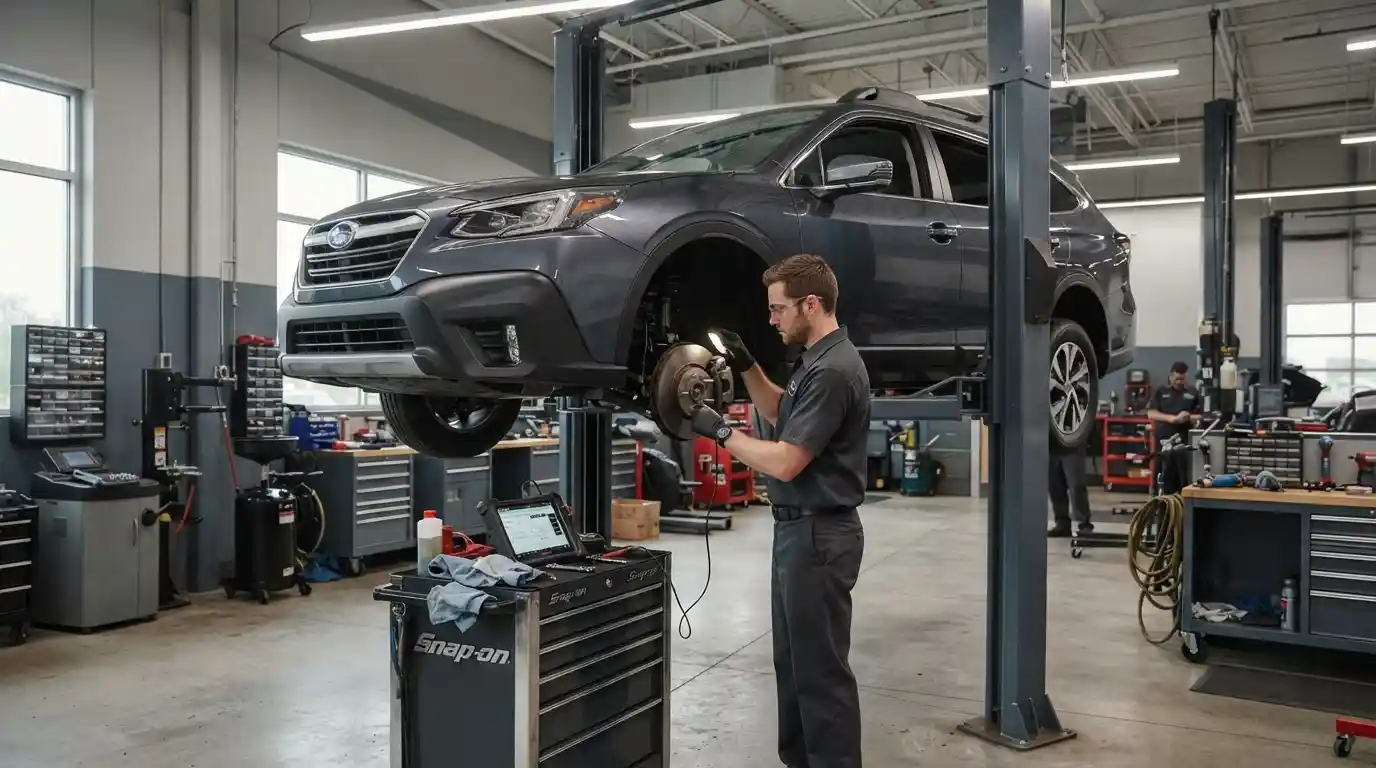
From routine maintenance and brake concerns to engine problems, electrical faults, warning lights, and more complicated repairs, choosing the right automotive service provider can make a significant difference. Professional attention can help identify developing problems earlier, reduce unnecessary downtime, and support better long-term vehicle performance.
WayfareHub also covers related automotive topics, including professional car care services, reliable vehicle maintenance, and practical guidance about car tyre wear and driving conditions.
Why Professional Auto Service Matters
Modern vehicles combine mechanical components, electronic systems, sensors, computerized controls, and increasingly sophisticated safety technology. A problem that appears minor may sometimes indicate a deeper issue that requires proper diagnosis.
Professional auto service focuses on finding the underlying cause rather than simply treating the most obvious symptom. This approach can be especially useful when a vehicle develops unusual noises, vibration, reduced acceleration, poor braking performance, fluid leaks, or dashboard warning lights.
Drivers looking for dependable maintenance can also explore the approach discussed in expert vehicle care and reliable auto service, where preventative attention is an important part of maintaining dependable transportation.
Comprehensive Car Maintenance and Repairs
A reliable auto service provider should be capable of handling both routine maintenance and more complicated repair requirements. Regular maintenance may include oil and filter service, fluid checks, brake inspections, battery evaluation, tire assessment, and general vehicle inspections.
More complex work can involve engine performance, transmission concerns, electrical systems, cooling systems, steering components, suspension parts, or computerized diagnostics. The right service approach depends on the vehicle’s condition, mileage, maintenance history, and symptoms.
Drivers can compare different approaches to professional automotive care through resources such as Greenway Family Auto Service and Tykes Auto Service.
Diagnostics Should Come Before Guesswork
One of the most important parts of modern vehicle maintenance is accurate diagnosis. Warning lights, unusual engine behavior, intermittent electrical problems, or unexplained performance changes can have multiple possible causes.
Replacing parts without properly identifying the source of a problem can lead to unnecessary expense. A structured diagnostic process allows technicians to examine symptoms, inspect relevant systems, identify potential causes, and determine the appropriate repair strategy.
This is particularly important for modern vehicles because electronic control systems and sensors are closely connected. A diagnostic issue may not always be located where the initial symptom appears.
Automotive technology is also becoming increasingly sophisticated, making knowledgeable service more important. The broader automotive discussion at WayfareHub’s automotive-focused content provides additional context on how technology continues to influence the automotive sector.
Routine Maintenance Can Prevent Bigger Problems
Preventive maintenance is one of the simplest ways to protect a vehicle from avoidable problems. Waiting until a component completely fails can turn a relatively manageable maintenance task into a larger repair.
Oil and fluid levels, brakes, tires, battery condition, belts, filters, cooling systems, and other wear-sensitive components should receive attention according to the vehicle’s maintenance requirements.
Small problems deserve attention too. A squeaking brake, slow-starting engine, unusual vibration, warning light, or fluid leak should not automatically be dismissed simply because the vehicle continues to operate.
The importance of addressing minor automotive concerns is also explored in this guide to the consequences of ignoring small car service issues.
Brake Maintenance and Vehicle Safety
Braking performance is directly connected to vehicle safety, which makes brake maintenance an important part of responsible car ownership. Drivers should pay attention to changes such as squealing, grinding, vibration, a soft brake pedal, increased stopping distance, or unusual pulling while braking.
Brake components experience wear over time, and their condition can vary depending on driving habits, traffic conditions, vehicle weight, and other factors. Prompt inspection can help determine whether the issue involves brake pads, rotors, hydraulic components, or another part of the braking system.
Professional automotive care should always prioritize safety-related concerns before cosmetic or convenience-related repairs.
Tire Condition Is Part of Vehicle Performance
Tires are one of the vehicle’s most important contact points with the road. Their condition affects traction, braking, handling, ride quality, and overall driving confidence.
Uneven tread wear, low pressure, visible damage, vibration, or unusual handling may indicate that a vehicle needs tire inspection or additional attention to alignment and suspension components.
Road surfaces and driving conditions can also influence tire wear. For a deeper look at this subject, see why certain tracks and road conditions can accelerate car tyre wear.
For drivers interested in performance-oriented vehicle topics, SureDrive Sport provides another relevant perspective on driving performance.
Engine Performance and Warning Signs
The engine is one of the most complex systems in a conventional vehicle, and changes in its behavior can indicate a need for inspection. Drivers may notice rough idling, hesitation, reduced power, unusual sounds, poor fuel economy, excessive smoke, or difficulty starting.
These symptoms can have different causes, which is why accurate diagnosis is important before selecting a repair. Ignoring persistent engine symptoms can allow a relatively manageable issue to develop into a more expensive problem.
A professional service process should therefore combine visual inspection, diagnostic information, system testing, and technician experience rather than relying on assumptions.
Transmission and Drivetrain Care
Transmission problems can affect acceleration, shifting, fuel efficiency, and overall drivability. Warning signs may include delayed engagement, slipping, unusual noises, rough shifts, fluid leaks, or difficulty selecting gears.
Because drivetrain components work together, unusual driving behavior should be assessed carefully. Routine maintenance and timely inspection can help drivers identify developing problems before they become more disruptive.
Battery and Electrical System Checks
Modern vehicles depend heavily on electrical systems. A weak battery or electrical fault can affect starting, lighting, charging, sensors, accessories, and other vehicle functions.
Drivers may notice slow engine cranking, flickering lights, repeated battery failures, electrical warning messages, or intermittent electronic problems. These symptoms deserve attention rather than repeated attempts to restart or temporarily reset the vehicle.
Proper electrical diagnosis can help determine whether the underlying issue involves the battery, alternator, wiring, connections, sensors, or another component.
Quality Parts and Proper Installation
The quality of replacement components matters because the part itself is only one part of a successful repair. Proper installation, compatibility, correct specifications, and appropriate testing all contribute to dependable results.
Drivers should understand what parts are being installed and why they are necessary. Clear communication helps vehicle owners make informed decisions while reducing the risk of unnecessary repairs.
For another automotive-related perspective involving road compliance and vehicle equipment, readers can explore the Ryco street legal kit guide.
Transparent Communication Builds Trust
Good automotive service is not only about mechanical skill. Communication is equally important. Vehicle owners should understand what has been identified, what needs immediate attention, what can reasonably wait, and what a proposed repair is expected to accomplish.
A clear estimate should distinguish between parts and labor and explain additional recommendations rather than presenting customers with unexplained charges.
This transparency gives drivers more control over maintenance decisions and helps establish a stronger relationship between the customer and the service provider.
Emergency Vehicle Problems Require Prompt Attention
Some vehicle problems should never be postponed. Brake failures, severe overheating, major fluid leaks, steering problems, significant electrical failures, or serious engine issues can create safety risks.
If a vehicle becomes unsafe to drive, continuing to operate it may increase the risk of additional damage or an accident. In those situations, professional assistance should be considered rather than attempting to push the vehicle through a serious mechanical problem.
Drivers can also review Adames Auto Service’s car-care perspective when exploring professional automotive service options.
How to Choose a Reliable Auto Service Provider
Choosing an automotive service provider should involve more than selecting the closest garage. Drivers should consider technician experience, diagnostic capabilities, communication, service transparency, parts quality, maintenance recommendations, and the provider’s ability to work with the vehicle’s technology.
A useful checklist includes:
- Ask what diagnostic process will be used.
- Request a clear explanation of recommended repairs.
- Understand which repairs are urgent and which can wait.
- Ask about replacement-part quality and compatibility.
- Keep records of completed maintenance and repairs.
- Pay attention to recurring symptoms instead of repeatedly treating them temporarily.
- Choose a service provider that communicates clearly throughout the repair.
For additional automotive service comparisons, readers can also explore Lander Auto Service, Tykes Auto Service, and Greenway Family Auto Service.
Why Preventive Car Care Is Worth the Investment
Regular vehicle maintenance can help drivers stay ahead of developing problems while supporting reliable daily transportation. Preventive care also gives technicians opportunities to identify wear before it becomes a sudden breakdown.
For many drivers, the biggest benefit is predictability. Knowing that essential systems have been inspected and maintained can make everyday driving less stressful and help reduce unexpected interruptions.
Vehicle ownership also involves financial decisions beyond repairs. When a vehicle is financed, drivers should understand how major repair costs can interact with their overall ownership expenses. Related financial considerations are discussed in this guide to vehicle finance and repossession policies.
Southie Auto Service and the Value of Reliable Car Care
Southie Auto Service represents the kind of automotive care drivers seek when reliability, diagnosis, maintenance, and communication all matter. A strong approach to vehicle service should focus on identifying problems accurately, explaining repair options clearly, and maintaining the vehicle before minor concerns become major disruptions.
Whether a vehicle needs routine maintenance, brake attention, diagnostic testing, electrical troubleshooting, engine work, or another repair, professional service can provide a more structured path toward dependable performance.
Drivers interested in broader automotive service content can continue exploring WayfareHub’s related resources, including tire wear and driving conditions, the importance of timely car service, and vehicle performance and driving.
Final Thoughts
Reliable vehicle performance begins with consistent care. Waiting for a serious breakdown is rarely the best maintenance strategy. Regular inspections, accurate diagnostics, quality repairs, and clear communication can help drivers make better decisions throughout the life of a vehicle.
Southie Auto Service can be positioned around these core principles: professional automotive attention, practical maintenance, careful diagnosis, and a focus on dependable performance. For vehicle owners, the goal is simple—keep the car safe, functional, and ready for the road with the right care at the right time.