
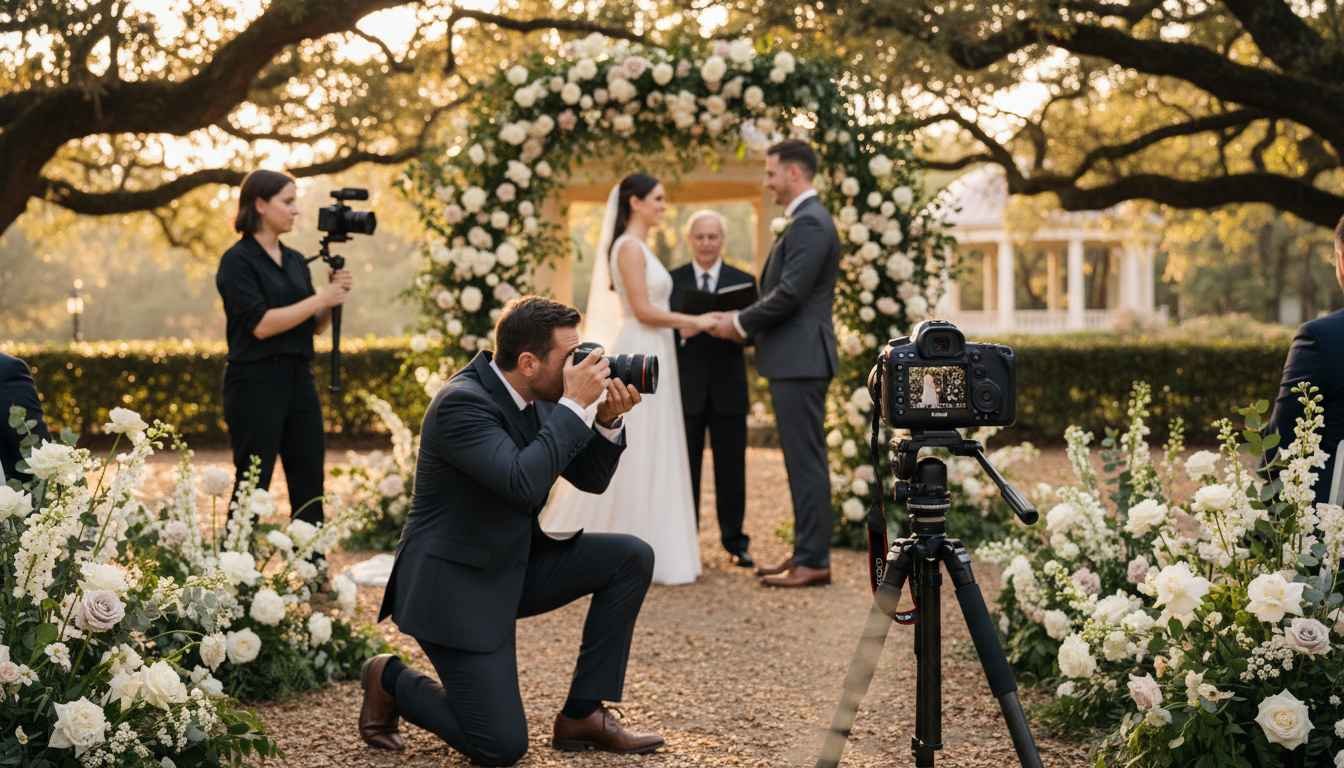
“Luxury is the new necessity” when it comes to weddings, and photography is no exception. Couples today expect their special day to be captured in ways that rival cinematic productions. But with so many styles, packages, and hidden fees, understanding how much wedding photography costs can feel like navigating a maze.
To shed light on this, we sat down with Emma Lawson, a seasoned wedding photographer with over 12 years of experience shooting everything from intimate backyard ceremonies to lavish destination weddings.
Q: Emma, what factors primarily determine the cost of wedding photography?
A: The cost usually depends on several key factors: the photographer’s experience, the duration of coverage, location, number of photographers, and additional services like albums or engagement shoots. For example, a local photographer covering a small ceremony for four hours may charge a few hundred dollars, while a full-day destination wedding with multiple photographers can easily run into several thousand.
It’s also important to remember that post-production work – editing, color correction, and retouching – adds to the overall price. High-end photographers often spend hours perfecting each image to meet their artistic standards.
Q: Can you give a general range couples should expect?
A: Absolutely. On average, couples in the U.S. spend between $2,000 and $5,000 for professional wedding photography. However, this range can fluctuate dramatically. For instance, top-tier photographers in major cities may start at $7,000, while less experienced photographers or smaller towns may offer packages under $1,500.
Packages often include a combination of hours, digital images, and sometimes printed albums. Couples should clarify exactly what is included to avoid surprises. And for those wanting all raw images or extra services like videography, expect to pay more.
For couples who want to ensure their memories are preserved in both physical and digital formats, Kodak Digitizing provides expert hand-digitization services, perfect for archiving wedding photos for generations.
Q: Are there hidden costs couples should be aware of?
A: Yes, several. Travel fees, overtime charges, and additional editing services can all sneak up. Destination weddings often require flight, hotel, and per diem costs for the photographer. Moreover, custom albums or premium print options can significantly increase the final bill.
It’s best to ask photographers for a detailed quote and to read contracts carefully. Transparency upfront helps prevent misunderstandings and ensures couples can budget realistically.
Did You Know?
Couples who spend more than $3,000 on wedding photography are statistically twice as likely to be satisfied with the overall quality and range of their photos. High investment often translates to better equipment, more creative expertise, and longer coverage hours.
Q: What about stylistic differences – do they affect pricing?
A: Definitely. Photographers who specialize in editorial or cinematic styles often charge more because these approaches require advanced skills, high-end equipment, and longer post-production time. In contrast, photojournalistic or casual styles may be more affordable but still deliver beautiful results.
Potential Drawbacks
While hiring a top-tier photographer ensures excellent photos, it may not fit all budgets. Couples on a strict budget might need to compromise on hours, style, or additional services. Also, some photographers require full upfront payment, which can be a financial strain. If flexibility is crucial, look for photographers offering payment plans or tiered packages.
Q: Any final tips for couples planning their photography budget?
A: Start by prioritizing what’s most important – whether it’s hours of coverage, style, or album quality. Meet with multiple photographers to compare packages and reviews. And always confirm what is included in writing. Remember, wedding photography is an investment in memories that will last a lifetime, so thoughtful planning can prevent buyer’s remorse.
Ultimately, knowing what affects the cost, planning your priorities, and understanding potential add-ons will help couples make an informed decision without sacrificing quality.
About the Author