
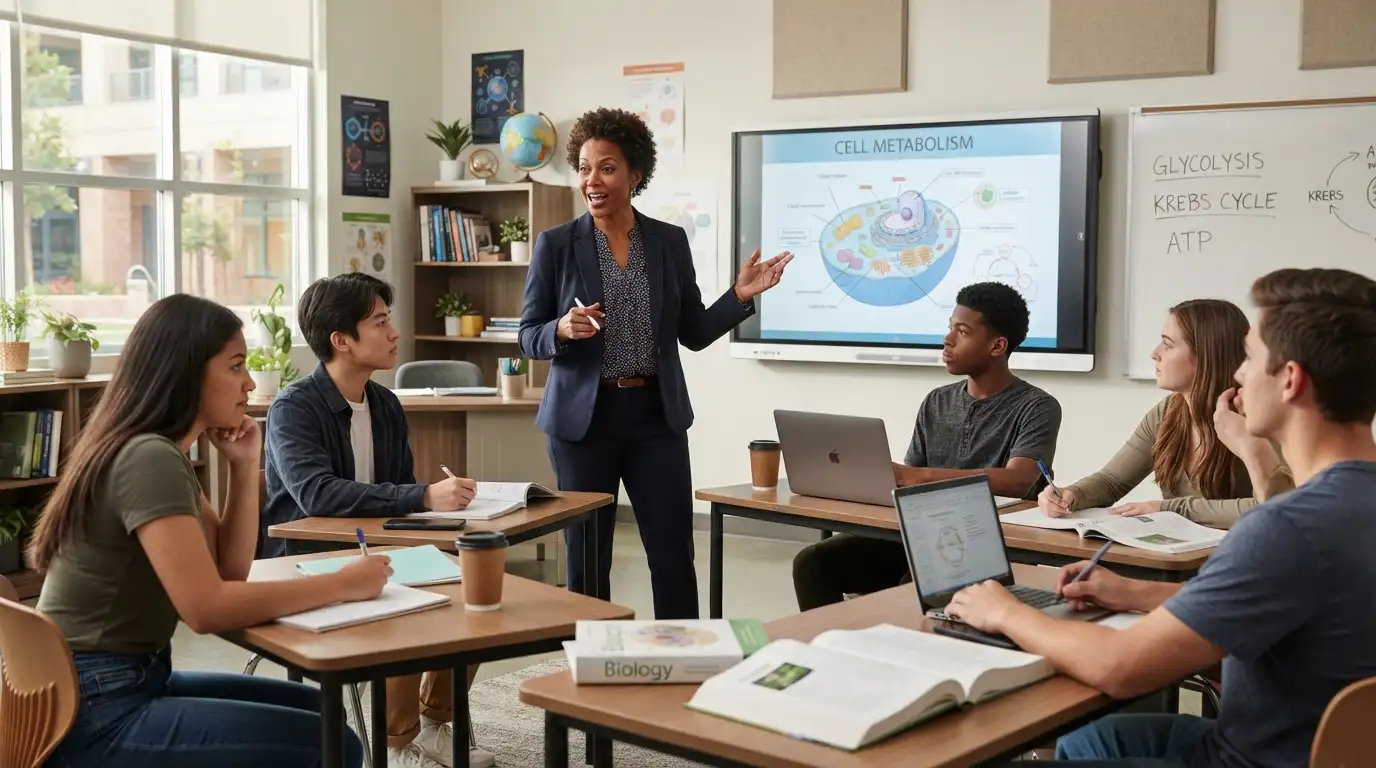
Education plays an important role in helping people develop knowledge, practical skills, confidence, and a clearer direction for the future. Behind that process are educators who plan learning experiences, support students, assess progress, communicate with families, and help learners overcome academic challenges.
This guide explains the typical responsibilities, qualifications, skills, work environments, career opportunities, and professional expectations associated with educator roles.
What Is an Educator?
An educator is a professional who helps individuals learn, develop skills, understand new concepts, and apply knowledge in practical situations. The term can include classroom teachers, instructors, tutors, trainers, academic support professionals, and other learning specialists.
The exact responsibilities depend on the position, age group, subject area, educational institution, and level of responsibility. A classroom teacher may focus heavily on lesson planning and assessment, while a career educator, tutor, or training professional may spend more time providing individualized guidance.
Modern education also extends beyond traditional classrooms. Digital platforms, online resources, educational technology, and changing learning models have created additional ways for educators to support students.
Educator Job Description: Core Responsibilities
An educator’s daily responsibilities can vary significantly, but several duties are common across many education roles.
1. Planning Lessons and Learning Activities
Educators typically prepare lessons that match learning objectives and the needs of their students. Planning may include selecting instructional materials, creating activities, preparing assignments, organizing discussions, and deciding how student understanding will be evaluated.
Effective planning also requires flexibility. If students struggle with a concept, an educator may need to explain it differently, provide additional examples, or introduce another learning activity.
2. Delivering Instruction
Educators communicate information through explanations, demonstrations, discussions, practical activities, projects, digital resources, and other teaching methods.
The approach often depends on the subject and students. Some lessons may require direct instruction, while others may involve collaborative projects, research, problem-solving, or independent work.
3. Assessing Student Progress
Assessment helps educators understand whether students are meeting learning objectives. Depending on the position, educators may use quizzes, examinations, assignments, presentations, projects, observations, or practical demonstrations.
Assessment is not simply about assigning grades. It can also identify areas where students need additional explanation, practice, or support.
4. Supporting Different Learning Needs
Students do not all learn at the same pace or in the same way. Educators may need to adjust instructional methods, provide additional resources, offer individual assistance, or collaborate with other professionals to support different learning requirements.
This student-centered approach is also relevant when exploring specialized educational environments such as student-focused education centers.
5. Communicating With Students and Families
Communication is an important part of an educator’s responsibilities. Depending on the position, educators may communicate with students, parents, guardians, administrators, counselors, colleagues, and other professionals.
Communication can involve discussing academic progress, explaining expectations, addressing concerns, providing feedback, and sharing recommendations for additional support.
6. Maintaining a Positive Learning Environment
Educators help establish an environment where students can participate, ask questions, collaborate, and develop confidence. This includes communicating expectations, managing classroom activities, encouraging respectful behavior, and responding appropriately to challenges.
A positive learning environment can also connect education with broader conversations about mental health awareness and well-being.
Key Skills Required for an Educator
A successful educator generally needs a combination of subject knowledge, communication abilities, organizational skills, patience, adaptability, and interpersonal awareness.
Communication Skills
Educators must explain ideas clearly and adjust their communication style when students have different levels of knowledge or learning needs.
Organization
Lesson plans, assignments, assessments, student records, schedules, meetings, and classroom activities all require effective organization.
Patience and Empathy
Students can struggle for many different reasons. Patience allows educators to provide repeated explanations and constructive support without discouraging learners.
Adaptability
Educational environments change frequently. New technologies, curriculum requirements, student needs, and teaching methods can require educators to adjust their approach.
Critical Thinking
Educators often need to evaluate learning challenges, identify appropriate teaching strategies, interpret assessment results, and determine how students can improve.
Technology Skills
Digital literacy is increasingly useful in education. Educators may use learning management systems, video-conferencing platforms, presentation tools, online research resources, digital assessments, and educational applications.
The wider role of technology in learning is also discussed in content about AI innovations and modern technology.
Educational Qualifications for Educators
Educational requirements depend on the specific position and the jurisdiction where the educator works. Some roles require formal teaching credentials, while others may accept a relevant degree, professional experience, specialized certification, or demonstrated subject expertise.
People researching education careers should carefully review the requirements for the particular position they want to pursue rather than assuming that every educator role follows the same qualification pathway.
Higher education and professional development can also involve financial considerations. Students researching funding options may explore resources such as the Education Freedom Scholarship and the Education Freedom Scholarship opportunities.
Where Do Educators Work?
Educators can work in a wide range of environments, including:
- Elementary and secondary schools
- Colleges and universities
- Vocational and technical institutions
- Private learning centers
- Tutoring organizations
- Community education programs
- Corporate training departments
- Online education platforms
- Specialized educational centers
- Nonprofit educational organizations
Some education professionals also work alongside technology companies or organizations developing learning products and services. Education-related technology careers continue to expand the range of opportunities available to people interested in combining teaching and technology.
Readers interested in technology-related career opportunities can also explore technology jobs and career opportunities.
Different Types of Educator Careers
Classroom Teacher
Classroom teachers typically plan and deliver lessons, assess students, maintain classroom routines, communicate with families, and support academic development.
Special Education Educator
Special education professionals support students who may require individualized instructional approaches, accommodations, specialized resources, or additional educational services.
Tutor
Tutors usually provide more individualized instruction. They may help students understand difficult subjects, prepare for examinations, strengthen specific skills, or catch up academically.
College or University Instructor
Postsecondary educators may teach specialized subjects, conduct assessments, guide research, mentor students, and contribute to academic programs.
Career and Technical Educator
Career-focused educators help learners develop practical knowledge and skills that can be applied to specific occupations or industries.
Online Educator
Online educators deliver lessons through digital platforms. Their responsibilities can include creating digital materials, hosting virtual sessions, evaluating assignments, and communicating with students remotely.
The Importance of Continuing Professional Development
Education is not a profession where learning necessarily ends after initial qualification. Educators may continue developing their skills through workshops, certifications, professional courses, conferences, peer collaboration, and independent study.
Professional development can help educators keep up with changes in curriculum, instructional methods, educational technology, assessment practices, and student-support strategies.
Creative subjects can also benefit from continuing development. Resources covering art education and creative learning demonstrate how education can extend beyond traditional academic instruction.
Technology and the Changing Educator Role
Technology has changed how educators prepare lessons, communicate with students, distribute resources, and assess learning.
Artificial intelligence and digital tools may assist with certain administrative or instructional tasks, but educators remain important for human guidance, context, feedback, encouragement, and classroom interaction.
Technology can also create new educational environments. Students may access online resources from home, participate in virtual classrooms, and use digital platforms to collaborate with classmates.
The relationship between technology and education is especially relevant for students interested in modern career paths and technology-driven industries.
Educator Responsibilities Beyond the Classroom
The educator role often extends beyond teaching scheduled lessons. Depending on the workplace, responsibilities may include:
- Preparing instructional materials
- Grading assignments and assessments
- Maintaining student records
- Attending staff meetings
- Communicating with families
- Participating in professional development
- Supporting extracurricular activities
- Collaborating with colleagues
- Helping students plan academic goals
- Participating in school or community programs
Education also intersects with student life outside the classroom. Topics such as student housing technology demonstrate how educational experiences are connected with the broader environments in which students live and study.
Educators and Student Development
Education is not limited to academic achievement. Educators can also help students develop communication, teamwork, organization, problem-solving, confidence, and independent learning habits.
Extracurricular activities can contribute to these skills as well. Organized youth programs and sports can provide opportunities for teamwork, responsibility, communication, and leadership.
For another perspective on youth development and organized activities, readers can explore youth sports and community development.
How to Prepare for an Educator Career
If you are considering a career in education, begin by identifying the type of learners and subjects you would like to work with. Your preferred age group, subject area, work environment, and long-term goals can influence the education and training you need.
1. Choose an Area of Interest
Consider whether you are interested in early education, elementary education, secondary education, higher education, vocational training, special education, tutoring, or another area.
2. Research Qualification Requirements
Check the specific requirements for the roles you are considering. Qualification requirements can differ by institution, position, and location.
3. Develop Communication Skills
Strong communication is fundamental to education. Practice explaining complex ideas in simple language and listening carefully to questions and feedback.
4. Gain Relevant Experience
Volunteering, tutoring, mentoring, classroom assistance, internships, or other education-related experiences can help you understand what the profession involves.
5. Build Digital Skills
Become comfortable with common digital learning tools and educational technologies. Digital skills can be useful across traditional and online education environments.
6. Continue Learning
Stay informed about teaching methods, educational research, technology, and changes within your area of specialization.
Educator Career Opportunities Beyond Traditional Teaching
An education background can potentially lead to several related career paths. Depending on qualifications and experience, professionals may move into instructional design, academic advising, curriculum development, educational administration, training, tutoring, educational technology, student support, or educational content development.
Education can also connect with digital industries. For example, professionals who combine education knowledge with communication and digital skills may explore opportunities related to digital marketing for education brands.
Professionals interested in broader digital career development can also review resources covering the role of digital marketing across different industries and the global impact of digital marketing.
Educator Job Description Checklist
When reviewing an educator job posting, look beyond the job title. Check the responsibilities, required qualifications, preferred skills, work environment, student population, schedule, and professional expectations.
A useful checklist includes:
- Required degree or certification
- Required teaching or professional experience
- Age group or student population
- Subject or specialization
- Lesson planning responsibilities
- Assessment responsibilities
- Technology requirements
- Communication expectations
- Professional development requirements
- Administrative responsibilities
- Work schedule and location
Common Questions About Educator Careers
What does an educator do every day?
Daily responsibilities can include preparing lessons, teaching, answering questions, assessing student work, communicating with colleagues or families, maintaining records, and providing individualized support.
What skills are important for educators?
Communication, organization, patience, adaptability, subject knowledge, critical thinking, collaboration, and digital literacy are useful skills for many educator roles.
Do all educators work in schools?
No. Educators can work in schools, universities, training organizations, learning centers, community programs, tutoring environments, businesses, and online education platforms.
Can educators work with technology?
Yes. Many educators use digital platforms, online learning systems, educational applications, virtual classrooms, digital assessment tools, and other technologies as part of their work.
Is an educator career limited to classroom teaching?
No. Education professionals may eventually move into areas such as curriculum development, instructional design, educational administration, training, academic advising, educational technology, or content development.
Final Thoughts
An educator job description can cover a broad range of responsibilities because education itself takes many forms. While teaching and student support remain central, educators may also plan learning experiences, evaluate progress, communicate with families, use technology, collaborate with colleagues, and help students prepare for future opportunities.
For people considering this career path, the most important first step is understanding the specific educator role they want to pursue. From classroom teaching and tutoring to educational technology and career development, the field offers multiple directions for professionals who enjoy helping others learn.
Understanding the responsibilities, qualifications, skills, and working environments associated with the role can make it easier to prepare for an education career and identify opportunities that match your interests and professional goals.
“`