
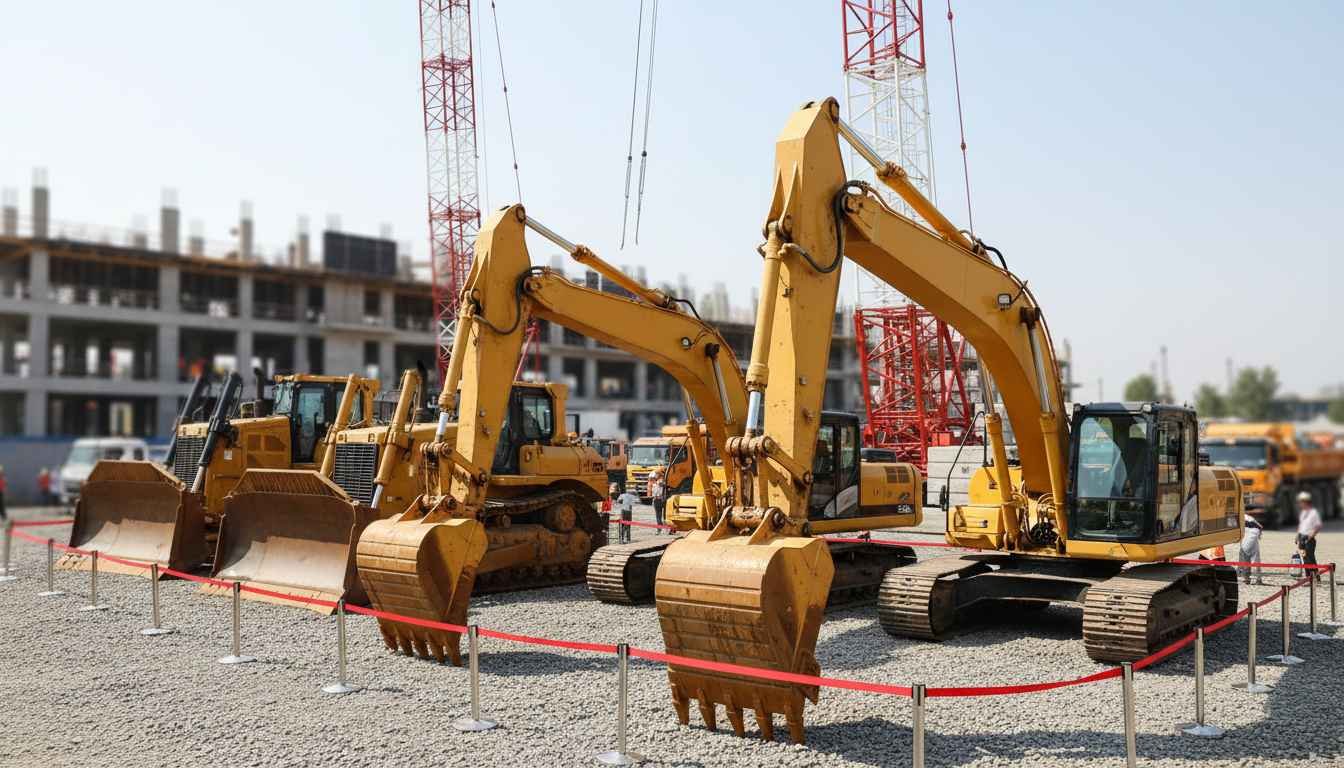
I made a huge mistake when I tried to save money by buying cheap construction equipment online. At first, the deals seemed unbeatable, but within weeks, I was dealing with constant breakdowns and unexpected repair costs. That experience taught me the importance of researching properly before purchasing construction machinery.
When looking for MI Windows and Doors, I realized that buying the right construction equipment is just as critical as selecting the right windows for a project. The difference lies not only in price but in efficiency, reliability, and long-term value. To avoid repeating my mistakes, I started comparing machinery methodically.
Comparison of Popular Construction Equipment
| Equipment Type | Price Range | Pros | Cons | Best For |
|---|---|---|---|---|
| Excavators | $25,000 – $200,000 | High digging power, versatile attachments | Expensive maintenance, requires skilled operator | Large-scale excavation, demolition |
| Skid Steer Loaders | $15,000 – $60,000 | Compact, maneuverable, multi-purpose | Limited load capacity, not ideal for rough terrain | Small construction sites, landscaping |
| Backhoe Loaders | $30,000 – $80,000 | Dual functionality (digging + loading) | Slower than specialized machines, higher fuel consumption | Medium projects, road construction, utility work |
| Concrete Mixers | $500 – $12,000 | Portable, ensures consistent mix | Limited batch size, manual labor required for small models | Residential construction, small-scale commercial projects |
| Forklifts | $10,000 – $50,000 | Efficient material handling, reduces labor | Limited to flat surfaces, safety risks if overloaded | Warehouses, construction storage sites |
Pros & Cons
✅ Pros: Saves time, increases efficiency, long-term investment potential, multi-functional machines.
❌ Cons: High upfront cost, maintenance challenges, requires training, potential depreciation if poorly maintained.
Who Should Avoid This?
If you’re a small-scale DIY builder or only occasionally need heavy machinery, purchasing expensive construction equipment may not be worth the investment. Renting could be a better solution. Also, avoid unverified sellers online; unreliable equipment can lead to safety hazards and hidden costs.
Tips for Buying Construction Equipment
1. Research thoroughly – compare brands, features, and reviews. Focus on machinery with strong reliability ratings.
2. Consider long-term costs – fuel, parts, and servicing can outweigh initial savings.
3. Inspect in person – if possible, check the machine before purchase to ensure operational integrity.
4. Consult professionals – mechanics and experienced operators can provide insights that aren’t obvious from specs alone.
5. Evaluate your project needs – buying specialized equipment you rarely use is rarely cost-effective.
Conclusion
Buying construction equipment for sale requires a careful balance between cost, functionality, and long-term reliability. My initial mistake taught me that cutting corners can be far more expensive than investing wisely. Whether you’re upgrading a small project or outfitting a large construction site, taking the time to compare options, consult experts, and understand your needs ensures that every purchase is an asset, not a liability.