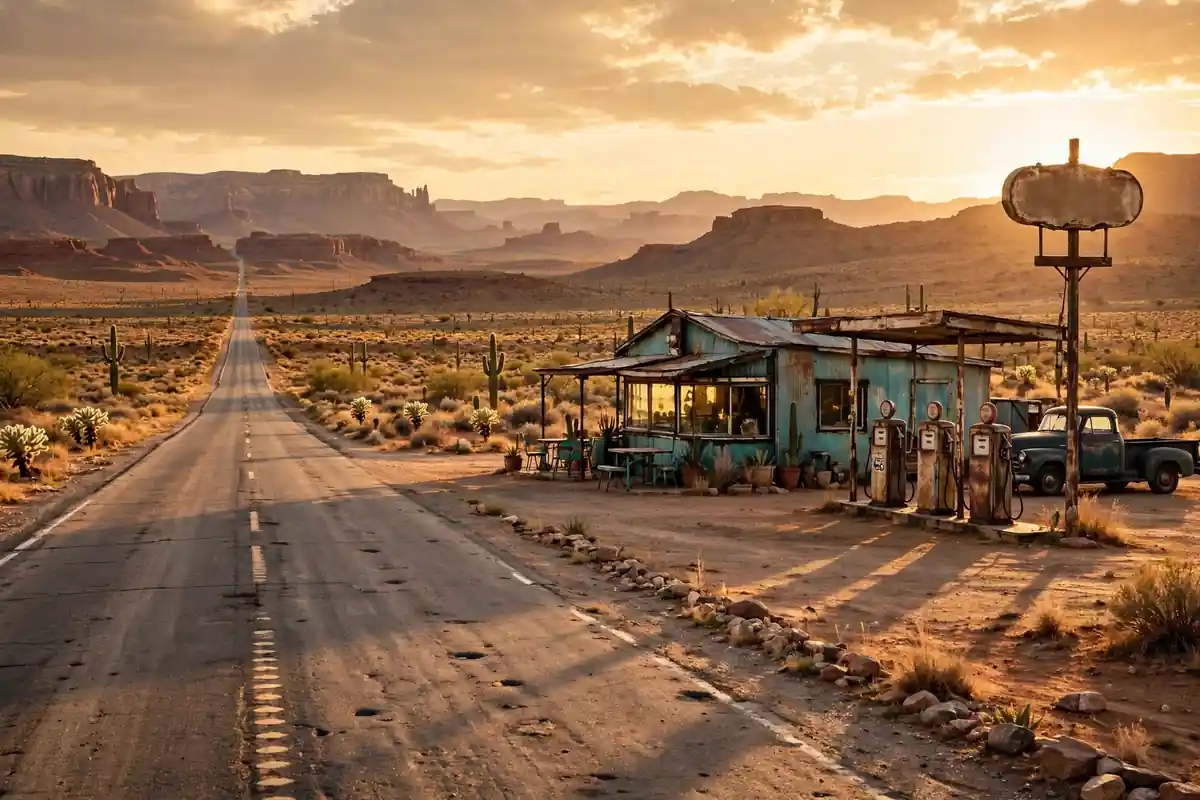
Route 66 is more than a road. It is a 2,400-mile story of diners, motels, small towns, and wide-open desert, stretching from Chicago to Santa Monica. And contrary to what many people think, you do not need a big budget to drive it. With smart planning, cheap motels, and a love for roadside food, a budget Route 66 trip can be one of the best-value adventures in America.
This guide shows you how to plan a budget Route 66 trip: how much it really costs, where to stay, where to eat, which sections are worth your time, and how to avoid the expensive mistakes that catch first-time road trippers. Whether you drive the whole route or just a classic section, you will find practical tips that keep your costs down and your experience rich.
How Much Does a Budget Route 66 Trip Cost?
A budget Route 66 trip usually costs $90 to $140 per person per day if two people share a car and a motel room. That includes gas, a budget motel, food, and a few paid attractions. Solo drivers pay more per person because they do not split gas and rooms, so a realistic solo budget is $120 to $170 per day.
The biggest costs are the rental car, gas, and stays. Driving your own car saves a lot, but if you rent, book early, compare companies, and avoid one-way drop-off fees when possible. For a full breakdown of fuel, stays, and food, see this guide to USA road trip costs before you set your budget.
You can also save by driving a shorter section. The Oklahoma to Texas stretch, the Arizona desert section, and the Illinois start are all rich in classic stops and can be done in three to five days. A short trip is often more enjoyable than rushing the whole route in a week.
Planning Your Route: Whole Road or Best Sections?
The full route takes at least two weeks at a relaxed pace, and three weeks is better. Most budget travelers choose one or two sections instead. Start in Chicago and drive through Illinois and Missouri for classic small towns and diners, or fly into Las Vegas and drive the Arizona section for desert views and the Grand Canyon area.
For route ideas and driving tips, check the ultimate USA road trip guide with 10 epic routes. It helps you compare Route 66 with other classic drives and pick the sections that match your time and budget.
Plan your overnight stops in advance in summer, but leave room for surprises. Some of the best Route 66 moments are unplanned: a free museum in a gas station, a mural in a tiny town, or a conversation with a motel owner who has lived on the route for decades.
Cheap Stays Along Route 66
Classic Route 66 motels are part of the experience, and many are surprisingly affordable. Family-run motels in Oklahoma, Texas, and New Mexico often charge $60 to $90 a night, far less than chain hotels in big cities. Some even include a simple breakfast, which saves another $10 to $15 per person.
In bigger cities like St. Louis, Oklahoma City, and Albuquerque, compare motels with budget hotels and hostels. This guide to cheap hotels in the USA can help you find safe, clean options that do not eat up your daily budget.
Book motels with free parking and good reviews, and avoid paying extra for rooms with a view you will only see at night. On Route 66, the real view is outside, on the road.
Eating Well on a Budget
Route 66 food is famous for a reason: diners, barbecue joints, taco stands, and pie cafes serve filling meals at honest prices. A diner breakfast often costs $8 to $12, a barbecue lunch $12 to $18, and a taco dinner even less. Skip tourist-trap restaurants near major attractions and eat where truck drivers and locals eat.
Carry a cooler with water, fruit, and snacks. Gas station snacks are expensive, and a cooler lets you picnic in state parks and rest areas. Cooking one meal a day in a motel microwave or a campground also saves money, especially for families.
If you are extending your trip to Las Vegas, remember that food and hotel prices there vary wildly. A Las Vegas budget guide can help you enjoy the city without falling into the high-roller traps that drain a road trip budget.
Free and Cheap Attractions Worth Stopping For
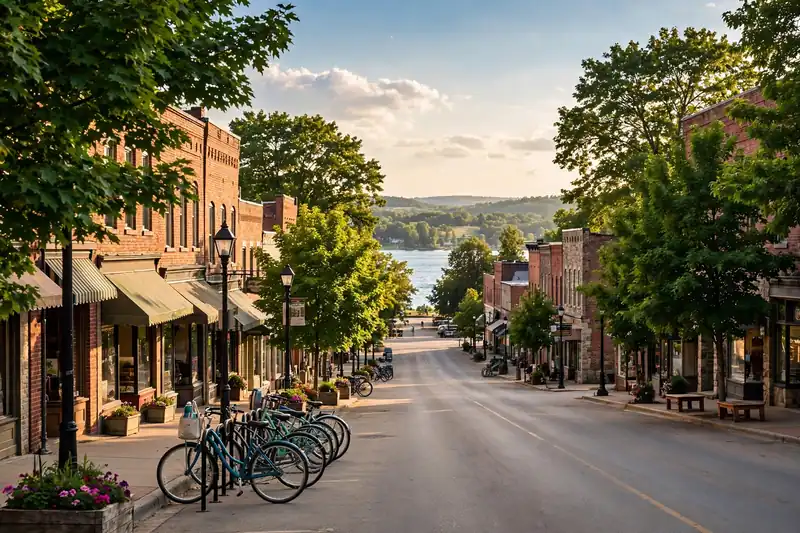
Many of the best Route 66 stops are free or cost just a few dollars. Murals, giant roadside statues, historic bridges, and old gas stations cost nothing to photograph and explore. Small museums often charge $5 or less and are run by passionate locals who love telling stories.
National parks and monuments near the route are also great value. An annual park pass can pay for itself in just a few visits, and many parks offer free ranger programs. Learn how to keep park costs down with this guide on how to visit US national parks on a budget.
Choose one paid attraction per day at most. When every stop costs $20, the budget disappears fast. Free stops, scenic drives, and town walks usually give you better stories anyway.
Getting There: Flights, Trains, and Buses
Most international and out-of-state travelers fly into Chicago, St. Louis, Albuquerque, Las Vegas, or Los Angeles, then pick up a rental car. Compare flight prices and fly midweek for the best deals. Low-cost carriers can save a lot, as shown in this list of the cheapest airlines in the USA.
If you do not want to drive the whole way, you can combine a short Route 66 drive with trains and buses. Amtrak serves several Route 66 cities, and buses connect many small towns. For a comparison of bus and train costs, see this guide to the cheapest way to travel between US cities.
Whatever transport you choose, book the expensive parts early: flights, rental cars, and the first few hotel nights. Last-minute prices in summer are almost always higher.
Money, Insurance, and Practical Tips
Carry a credit card with no foreign transaction fees if you are visiting from abroad, and a card that earns travel rewards if you travel often in the USA. A good travel card can offset gas and hotel costs, and this roundup of the best travel credit cards explains which perks actually matter for road trips.
Do not skip travel insurance, especially for a long drive. It covers trip delays, medical emergencies, and rental car problems that can otherwise ruin a budget. This travel insurance guide for US travelers explains what to look for in plain language.
Other practical tips: check your car before you leave, download offline maps, carry cash for small-town diners, and keep a paper map as a backup. Cell service can disappear in the desert, and a paper map is part of the classic Route 66 experience anyway.
Sample 7-Day Budget Route 66 Itinerary
Day 1 to 2: Chicago to St. Louis, with stops in Springfield, Illinois, and classic diners along the way. Day 3: St. Louis to Oklahoma City, including the Gateway Arch area and small-town murals. Day 4: Oklahoma City to Amarillo, Texas, with a stop at the famous Cadillac Ranch.
Day 5: Amarillo to Albuquerque, driving through Tucumcari and its neon motels. Day 6: Albuquerque to Flagstaff, Arizona, with desert views and a detour to a national monument. Day 7: Flagstaff to the Grand Canyon area or on to Las Vegas, depending on your time.
This route keeps daily drives under five hours, leaves time for walks and meals, and focuses on affordable motels and free stops. For more money-saving ideas, follow these proven ways to save money on USA trips throughout your journey.
Best Time of Year for a Budget Route 66 Trip
Spring and fall are the best-value seasons for Route 66. In April, May, September, and October, the weather is pleasant, motel prices are lower than in peak summer, and small towns are less crowded. You can walk around historic districts without the heat of a July afternoon in Texas or Arizona, and you are more likely to find a good motel room without booking weeks ahead.
Summer is still popular, especially for families, but you will pay more and need to book earlier. If you must travel in summer, start driving early in the morning, take a long lunch break in an air-conditioned diner or museum, and plan your main walk for the evening. Winter can be very cheap, but snow and ice can close sections in Illinois, Missouri, and northern Arizona, so check road conditions daily and keep your itinerary flexible.
Whatever season you choose, build one rest day into every week of driving. A rest day in a friendly town, with a slow breakfast, a local market, and a short walk, often becomes the most memorable day of the whole trip.
Conclusion
A budget Route 66 trip is not about cutting corners on fun. It is about choosing classic motels over chain hotels, diners over tourist restaurants, and free roadside wonders over expensive attractions. Drive slowly, talk to locals, and let the road surprise you.
Start with a short section, set a daily budget, and book your car and first stays early. The Mother Road has welcomed budget travelers for nearly a century, and it is still one of the best-value adventures you can have in America.