
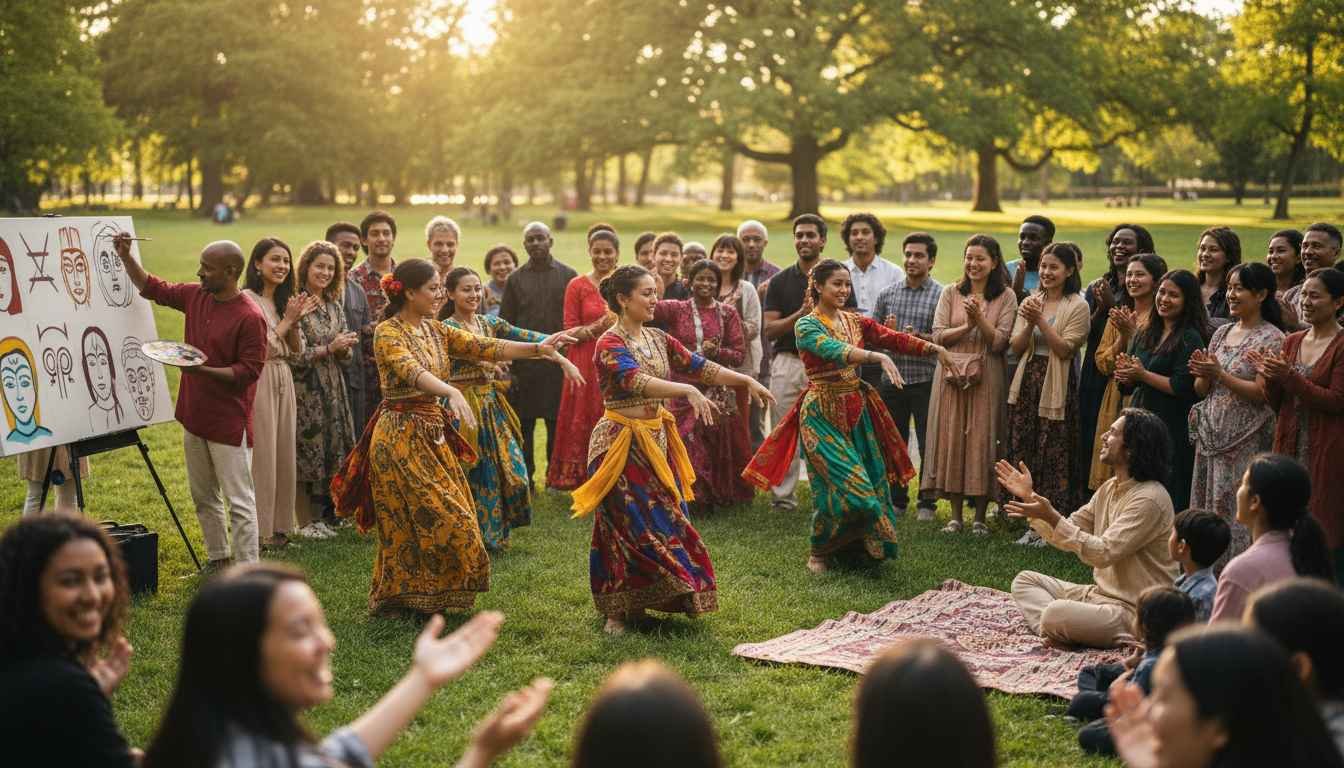
Choose your fighter. You might think culture is just art, music, or traditions – but it’s far more. Culture shapes our values, our behaviors, and the very framework of society itself. Without it, communities lack identity, cohesion, and a sense of shared purpose. From the way we communicate to the way we celebrate milestones, culture is the invisible thread weaving our society together.
Culture is not just a reflection of the past; it actively shapes the future. It influences how businesses operate, how governments create policy, and even how individuals approach life’s challenges. Understanding its importance allows communities to thrive and individuals to find meaning in collective experiences. For residents of Pittsburgh and beyond, engaging with local culture can open doors to new perspectives, deepen empathy, and spark innovation. Discover more about community engagement and events at NEXTpittsburgh.
FAQ 1: What Is Culture, Really?
Culture encompasses the customs, arts, social institutions, and achievements of a particular nation, people, or social group. It’s more than festivals and cuisine; it includes language, rituals, belief systems, and even norms governing everyday behavior. It’s both tangible – like architecture and clothing – and intangible – like values and etiquette.
FAQ 2: How Does Culture Affect Society?
Culture provides a shared set of norms and values that guide how members of society interact. It fosters unity, creating a sense of belonging and community. Societies with strong cultural identities often exhibit higher levels of cooperation, lower rates of social conflict, and more robust civic engagement. Furthermore, culture drives creativity, inspiring innovations in technology, arts, and education that push society forward.
Expert Rating
Importance of Culture in Society: ★★★★★ (5/5)
FAQ 3: Can Culture Influence Economic Growth?
Absolutely. Cultural industries – like music, theater, food, and tourism – generate significant economic activity. Cities that embrace cultural richness attract talent, investment, and tourists. For example, Pittsburgh’s revitalized arts scene and diverse culinary offerings have contributed to local economic resurgence. Strong cultural foundations also support entrepreneurship by fostering creative problem-solving and collaboration.
In an era where ethical considerations are more important than ever, the Brooklyn Society for Ethical Culture stands out as a beacon of progressive thought and action. This unique organization not only fosters a community committed to ethical living but also encourages individuals to engage in meaningful discourse about social justice, environmental sustainability, and personal responsibility. For those looking to deepen their understanding and practice of these principles, the brooklyn society for ethical culture offers a micro masterclass that explores the foundational ideas behind its mission. Through workshops, discussions, and community events, participants can learn how to apply ethical concepts to their daily lives, making it an invaluable resource for anyone interested in making a positive impact in their community and beyond.
FAQ 4: Why Is Culture Critical for Education?
Culture shapes the lens through which we understand the world. Schools that integrate cultural awareness encourage critical thinking, empathy, and adaptability. Understanding historical and cultural contexts helps students grasp complex social issues and prepares them for participation in a global society. According to the U.S. Department of Education official resources, culturally responsive teaching improves student engagement and academic outcomes.
FAQ 5: How Does Culture Affect Social Identity?
Culture is a cornerstone of identity. It gives people a sense of place, history, and belonging. Shared traditions and rituals reinforce community bonds, while personal engagement with cultural practices strengthens self-esteem and social cohesion. A society that honors diverse cultures often benefits from mutual respect and reduced prejudice.
FAQ 6: Can Culture Promote Social Change?
Yes. Culture has historically been a catalyst for social movements. Music, literature, and visual arts often amplify marginalized voices, raise awareness of injustices, and inspire activism. Societal norms evolve when cultural narratives challenge outdated practices, making culture a powerful tool for progress.
FAQ 7: Who Should Avoid This? / Potential Drawbacks
While culture is broadly beneficial, there are situations where overemphasis on cultural identity can create exclusion or tension. Societies that rigidly enforce cultural norms may inadvertently marginalize minority groups or stifle innovation. Similarly, focusing solely on local culture without openness to global perspectives can limit cross-cultural collaboration and learning. Balance is key: celebrate heritage while remaining adaptable and inclusive.
FAQ 8: How Can Individuals Engage With Culture?
Engaging with culture can be as simple as attending local events, supporting cultural institutions, or learning about different traditions. Travel, reading, and participation in civic life broaden understanding. Pittsburgh, for instance, offers myriad opportunities – from historic neighborhoods and museums to cultural festivals – that allow residents and visitors to immerse themselves in rich cultural experiences.
FAQ 9: The Long-Term Impact of Culture
Over generations, culture molds social norms, legal systems, and collective behavior. Societies that invest in preserving and celebrating culture tend to exhibit stronger resilience during crises, greater social cohesion, and higher innovation levels. Essentially, culture is the glue that binds society while simultaneously propelling it forward.
In summary, understanding why culture is important in society is not just an academic exercise – it’s a roadmap for thriving communities and fulfilled individuals. It shapes identity, fuels economies, drives education, inspires social change, and connects us across generations. Engaging with culture, therefore, is a choice to participate in a richer, more meaningful societal journey.