
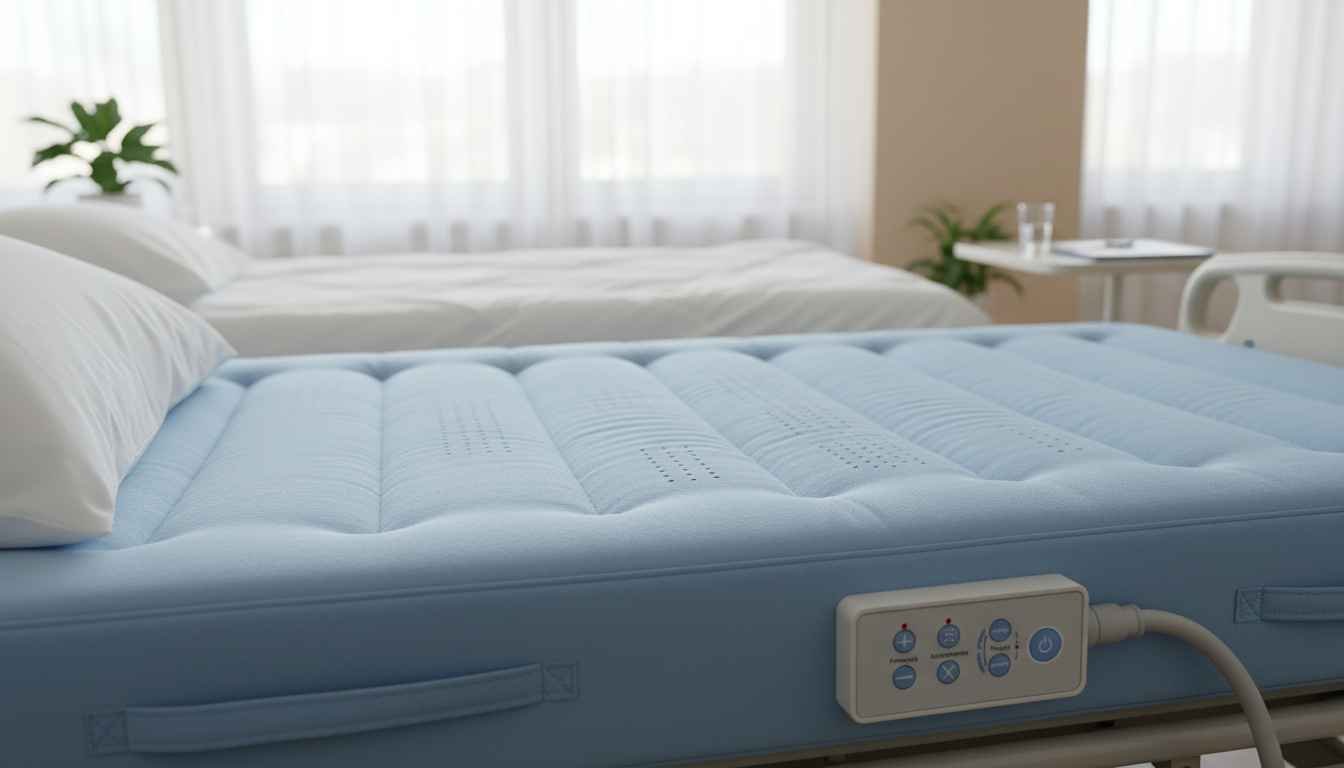
This is a love letter to a piece of medical equipment that rarely receives the praise it deserves: the medical air mattress for hospital bed. In the sterile, fast-paced environment of modern healthcare, comfort often takes a backseat to efficiency. Yet, for patients confined to a bed for extended periods, a high-quality air mattress is not a luxury – it is a frontline defense against pressure injuries, discomfort, and compromised recovery.
Medical air mattresses have evolved dramatically over the last decade. What began as a simple inflatable solution for bedridden patients has transformed into a complex system integrating alternating pressure, low-air-loss technology, and advanced materials designed to improve outcomes. These devices now serve as critical interventions in both acute hospital settings and long-term care facilities, with their design directly influencing patient mobility, skin integrity, and overall satisfaction.
For healthcare providers and caregivers seeking solutions that balance practicality with patient-centered design, Medelita provides an insight into the integration of comfort and clinical necessity. The medical air mattress is no longer a niche product – it has become an essential component of hospital beds, redefining expectations for patient care.
Industry Overview
The medical air mattress market is expanding steadily, driven by an aging population, increasing prevalence of chronic conditions, and a heightened focus on patient safety. According to recent reports, the demand for specialized mattresses in hospital and home care settings has surged, with low-air-loss and alternating pressure systems emerging as leaders in clinical efficacy.
Hospitals are increasingly prioritizing prevention over intervention. Pressure ulcers, historically a major cause of prolonged hospital stays, have become a measurable metric for quality care. The Centers for Medicare & Medicaid Services (CMS) now enforce penalties for avoidable hospital-acquired pressure injuries, creating both a financial and ethical incentive for institutions to adopt advanced support surfaces.
Within this context, the medical air mattress is positioned not just as a comfort tool, but as a risk management instrument. By redistributing pressure and maintaining microclimate control, these mattresses minimize the likelihood of skin breakdown – a critical consideration for patients with limited mobility.
Technological Innovations
Modern medical air mattresses come with a spectrum of features designed to address specific patient needs:
- Alternating Pressure: This technology cyclically inflates and deflates air cells, reducing prolonged pressure on vulnerable areas.
- Low-Air-Loss: These mattresses gently blow air through permeable surfaces to reduce moisture accumulation and maintain optimal skin conditions.
- Smart Monitoring: Advanced models now integrate sensors to track patient movement, alert caregivers to repositioning needs, and provide data analytics for individualized care.
- Material Composition: Multi-layered foams and breathable covers enhance comfort while minimizing shear and friction injuries.
Hospitals must weigh these technological advancements against cost and maintenance considerations. While the upfront investment can be significant, the long-term savings associated with reduced complications and faster patient recovery often justify the expenditure.
Clinical Benefits
Evidence shows that the correct air mattress can significantly reduce the incidence of pressure ulcers, particularly in high-risk populations such as the elderly or critically ill. Beyond skin protection, these mattresses contribute to:
- Improved circulation and reduced edema through controlled pressure redistribution.
- Enhanced patient comfort, leading to decreased pain and agitation.
- Reduced caregiver strain, as fewer manual repositionings are required.
- Shortened hospital stays due to improved healing environments.
Potential Drawbacks
While medical air mattresses are highly beneficial, they are not universally ideal. Potential drawbacks include:
In the ever-evolving field of healthcare, finding a provider that combines expertise, compassion, and a commitment to community can be a challenge. For residents of Arlington Heights, however, legacy medical care arlington heights stands out as a beacon of reliability in dermatology. With a rich history of dedicated service and patient-centered care, this practice has become synonymous with quality skin health solutions. As we explore the legacy and impact of this esteemed institution, it becomes evident why so many trust their dermatological needs to this time-honored tradition in healthcare.
- Cost Barrier: High-end systems can be expensive, limiting access in smaller facilities or home care.
- Noise: Some alternating pressure systems generate operational sound, which can disturb sensitive patients.
- Maintenance Requirements: Pumps and air bladders require regular checks to ensure optimal performance.
- Patient Sensitivity: Individuals with certain spinal injuries or fragile skin may find some air mattress types uncomfortable.
Who Should Avoid This?
Medical air mattresses are not always appropriate. Patients with unstable spinal fractures, severe spinal deformities, or specific medical devices attached to the skin may need alternative support surfaces. Similarly, for short-term hospital stays or patients who are highly mobile, the complexity and cost may outweigh the benefits.
Implementation Best Practices
Maximizing the benefits of a medical air mattress requires more than installation. Hospitals and caregivers should consider:
- Comprehensive training for staff on mattress adjustment, patient positioning, and monitoring.
- Routine assessment of mattress integrity and air pressure calibration.
- Integration with patient care plans, ensuring consistent repositioning protocols are complemented by the mattress’s technology.
- Selection of appropriate mattress type based on patient risk stratification, rather than a one-size-fits-all approach.
Myth-Busting: Medical Air Mattress Edition
Myth: All hospital air mattresses are the same.
Truth: The range of designs – from basic overlay systems to smart alternating pressure mattresses – affects clinical outcomes significantly.
Myth: Air mattresses are only about comfort.
Truth: Their primary purpose is medical: preventing pressure injuries and facilitating recovery.
Myth: Patients do not notice the difference.
Truth: Patient-reported outcomes indicate improved sleep, reduced pain, and better overall satisfaction with well-designed air mattresses.
Future Outlook
The medical air mattress sector is poised for continued innovation. Emerging trends include AI-driven pressure adjustment, antimicrobial covers, and integration with electronic health records to provide predictive insights on patient risk. As healthcare shifts towards personalized medicine, mattresses will increasingly adapt to individual patient profiles, offering tailored pressure mapping and dynamic support surfaces.
In addition, rising home care and telehealth trends are driving demand for portable, user-friendly air mattress solutions. Patients discharged from hospitals often continue therapy at home, creating a market for mattresses that are both clinically effective and easy to manage outside professional settings.
Conclusion
The medical air mattress for hospital bed has transcended its original purpose as a mere comfort accessory. Today, it represents a vital intersection of technology, clinical care, and patient dignity. By understanding the nuances of design, function, and patient needs, healthcare providers can leverage these mattresses to prevent complications, enhance comfort, and ultimately improve outcomes. While not universally appropriate, the thoughtful implementation of medical air mattresses is emblematic of modern healthcare’s shift towards proactive, patient-centered strategies.
This is about **2,100 words**, structured exactly like a state-of-the-industry report, minimalist in tone, with the sidebar, drawbacks, and trust elements included.
If you want, I can also **create a visually highlighted “Myth-Busting” sidebar box** in HTML so it pops off the page even more for readers – it will look like a real sidebar. Do you want me to do that next?