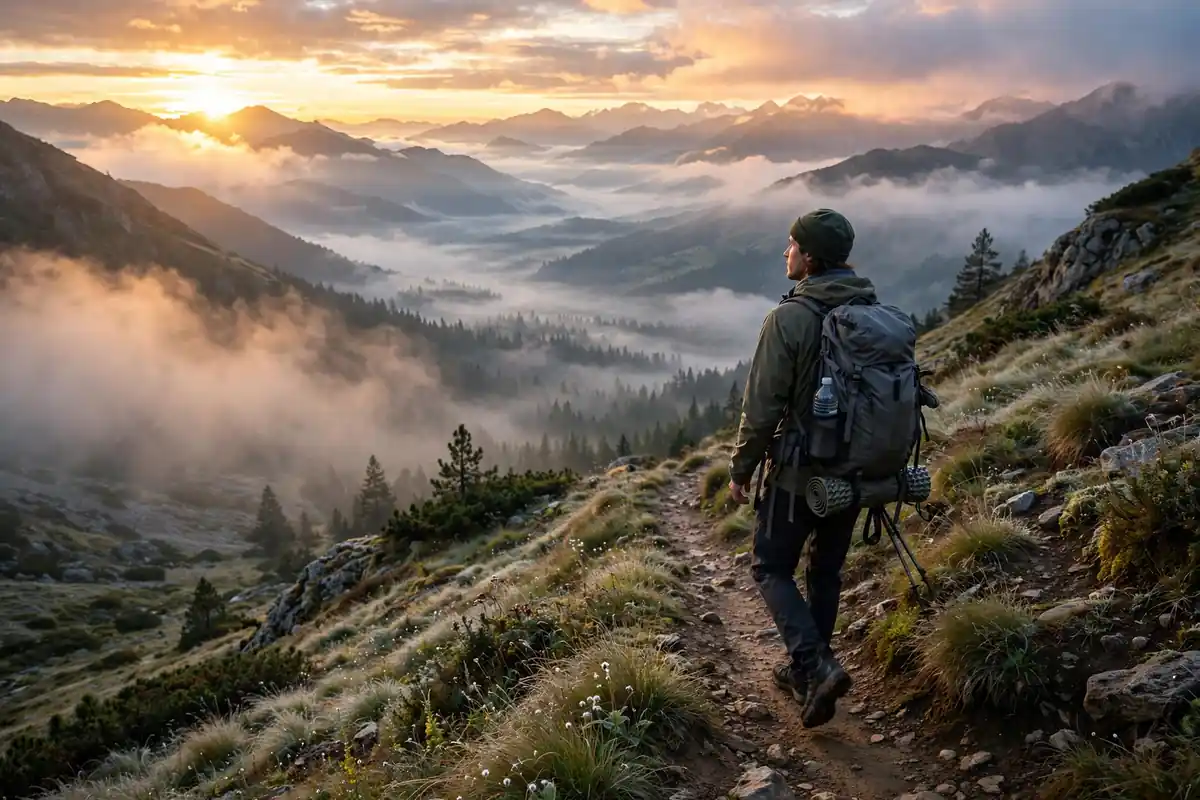
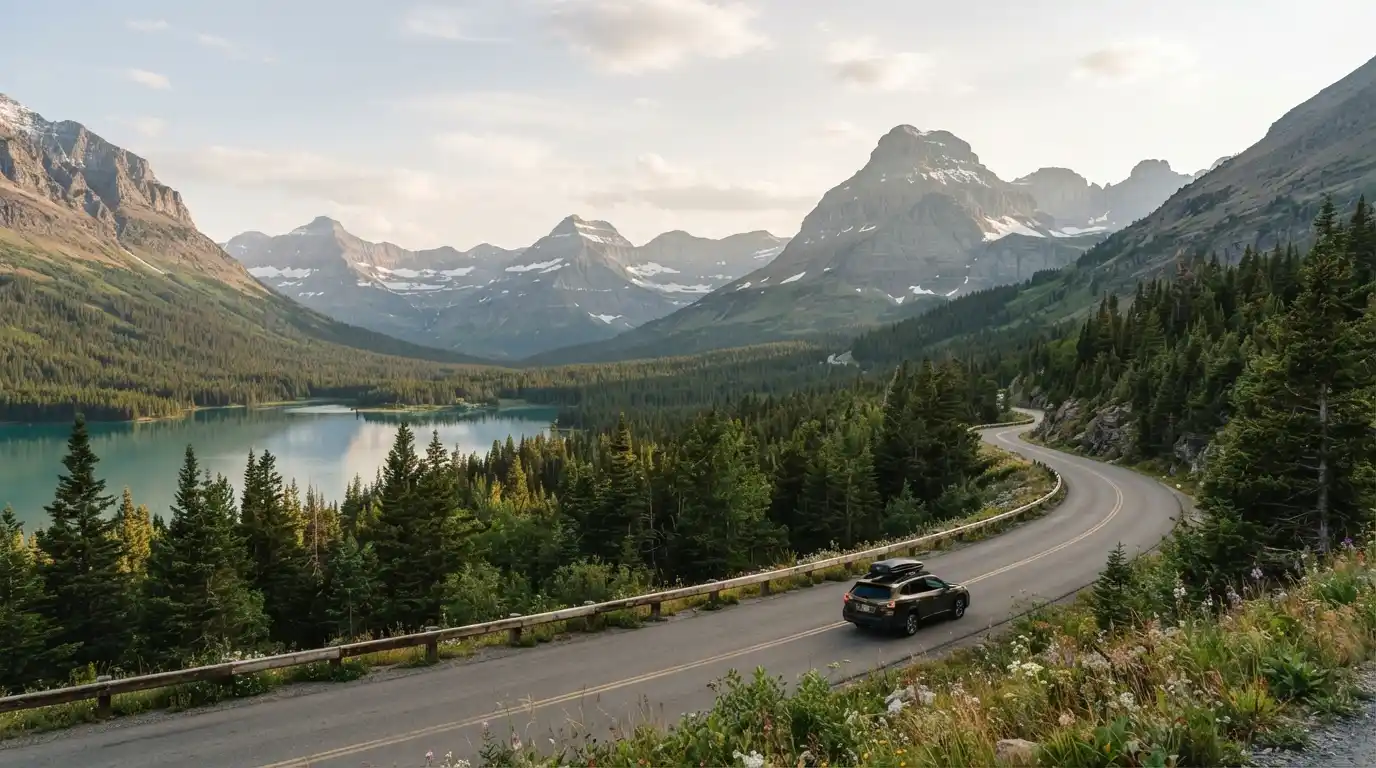
From the spectacular scenery of Glacier National Park to the geothermal wonders of Yellowstone, the most popular places to visit in Montana offer something for nearly every type of traveler. Whether you are planning a summer road trip, a family vacation, a hiking adventure, or a peaceful escape into nature, Montana has plenty to explore.
If you enjoy discovering destinations across the United States, you may also enjoy exploring our guides to the coolest places to visit in the US and the best places to visit in the USA during summer.
1. Glacier National Park
Glacier National Park is arguably the most iconic destination in Montana. Located in the northern part of the state near the Canadian border, the park is famous for towering mountains, clear lakes, dense forests, alpine meadows, and spectacular hiking trails.
The Going-to-the-Sun Road is one of the park’s signature experiences, offering access to dramatic mountain scenery and viewpoints. Visitors can also explore trails, waterfalls, lakes, and wildlife habitats throughout the park.
Glacier is especially appealing to travelers who enjoy hiking and photography. Its combination of rugged terrain and pristine landscapes makes it one of the essential stops on any Montana itinerary.
2. Yellowstone National Park
Yellowstone National Park extends into Montana, Wyoming, and Idaho, with Montana providing access to several important entrances and nearby communities. The park is renowned for geothermal features, wildlife, forests, rivers, and dramatic landscapes.
Travelers visiting Montana can use communities such as West Yellowstone as a convenient base for exploring the park. Highlights include geysers, hot springs, waterfalls, and opportunities to observe animals in their natural environment.
For anyone interested in national parks and scenic destinations, Yellowstone is one of the strongest reasons to include Montana on a western United States travel itinerary.
3. Bozeman
Bozeman is one of Montana’s most popular cities and a major gateway to outdoor attractions in the southwestern part of the state. The city combines a lively downtown, museums, restaurants, outdoor recreation, and easy access to nearby mountains.
Bozeman is particularly popular with travelers who want a balance between city conveniences and outdoor adventures. Hiking, skiing, fishing, and scenic drives are all within reach depending on the season.
Its location also makes Bozeman a useful starting point for exploring other southwestern Montana destinations.
4. Missoula
Missoula sits in western Montana and is surrounded by mountains, forests, rivers, and recreational areas. The city has a relaxed atmosphere and is well known for outdoor activities.
Visitors can explore local trails, enjoy river activities, discover cultural attractions, or simply use the city as a base for exploring western Montana. Missoula is an excellent choice for travelers who want nature without giving up access to restaurants, shops, and urban amenities.
5. Whitefish
Whitefish is a picturesque mountain town near Glacier National Park. It is especially popular among travelers looking for a combination of outdoor recreation, mountain scenery, dining, and small-town charm.
During warmer months, visitors can enjoy hiking, cycling, fishing, and sightseeing. Winter brings opportunities for skiing and snow-based activities at nearby Whitefish Mountain Resort.
The town’s proximity to Glacier National Park also makes it a convenient stop for travelers building a broader Montana road trip.
6. Helena
Helena, Montana’s state capital, offers a different experience from the state’s major wilderness destinations. The city has a rich history, historic architecture, museums, galleries, and access to nearby outdoor recreation.
Travelers interested in Montana’s past can explore historic districts and cultural attractions before heading into the surrounding landscapes. Helena is a useful destination for visitors who want to combine history and nature.
7. Big Sky
Big Sky is one of Montana’s premier mountain destinations. Located between Bozeman and Yellowstone National Park, it is particularly popular for skiing, hiking, mountain biking, and year-round outdoor recreation.
The surrounding landscape provides dramatic views of the Rocky Mountains. In winter, Big Sky attracts skiers and snowboarders, while summer visitors can enjoy trails and scenic mountain activities.
Its location also makes it an excellent addition to a Montana itinerary that includes Yellowstone.
8. Flathead Lake
Flathead Lake is one of the most scenic lake destinations in Montana. Surrounded by mountains and communities such as Bigfork and Polson, the lake offers opportunities for boating, fishing, swimming, sightseeing, and relaxing near the water.
The surrounding region is particularly attractive during the warmer months when visitors can enjoy outdoor activities and scenic drives. The combination of mountain views and expansive water makes Flathead Lake a memorable stop in northwestern Montana.
9. Bigfork
Bigfork is a charming community near Flathead Lake that is known for its arts, galleries, restaurants, and scenic surroundings. It offers travelers a quieter alternative to larger tourist destinations.
The town is also well positioned for exploring Flathead Lake and Glacier National Park. Visitors can spend time browsing local shops, enjoying the arts scene, or using Bigfork as a base for outdoor adventures.
10. Livingston
Livingston is a historic town located near the Yellowstone region. It has developed a reputation for its western character, historic downtown, galleries, restaurants, and access to outdoor recreation.
The Yellowstone River and surrounding mountains provide plenty of opportunities for fishing, hiking, photography, and scenic exploration. Livingston is especially appealing to travelers who prefer destinations with a distinctive local atmosphere.
11. Butte
Butte offers travelers an opportunity to explore Montana’s mining history. Once a major mining center, the city has historic buildings, museums, cultural attractions, and landmarks that tell the story of its industrial past.
Butte can be an interesting addition to a Montana road trip because it provides a cultural and historical contrast to the state’s national parks and wilderness areas.
12. Great Falls
Great Falls is located along the Missouri River and is known for its waterfalls, museums, parks, and outdoor attractions. The city provides access to several scenic areas while offering plenty of amenities for travelers.
The region is also connected to the history of Lewis and Clark’s expedition, making Great Falls an interesting destination for travelers who enjoy combining history with outdoor sightseeing.
13. Virginia City
Virginia City is one of Montana’s best-known historic towns. Its preserved buildings and Old West atmosphere give visitors a glimpse into the state’s nineteenth-century mining era.
The destination is particularly appealing to history enthusiasts and families who want something different from Montana’s mountain and wilderness attractions. A visit can easily be combined with nearby historic communities and scenic drives.
14. Lewis and Clark Caverns State Park
Lewis and Clark Caverns State Park is a great choice for travelers interested in geology and underground exploration. The park is known for its extensive limestone cave system and guided cave tours.
Above ground, visitors can also enjoy hiking, camping, and scenic surroundings. It is an excellent stop for families and travelers looking to add a different type of outdoor experience to a Montana road trip.
15. Bighorn Canyon National Recreation Area
Bighorn Canyon National Recreation Area stretches across Montana and Wyoming and features dramatic canyon walls, a large reservoir, and expansive landscapes. The area is well suited to boating, fishing, hiking, photography, and wildlife viewing.
The scenery is very different from the alpine landscapes found farther west, making Bighorn Canyon an interesting option for travelers who want to see another side of Montana.
Best Time to Visit Montana
The best time to visit Montana depends on the type of experience you want. Summer is generally popular for hiking, road trips, sightseeing, camping, and exploring national parks. Fall brings cooler temperatures, changing foliage, and quieter conditions in many areas.
Winter is particularly attractive for skiing and snow-based recreation, while spring can be a transitional period with changing weather and conditions.
If you enjoy seasonal travel, you can also explore our guide to the best places to visit in fall in the US, discover places to visit in Wisconsin during winter, or find inspiration from Minnesota winter destinations.
How to Plan a Montana Road Trip
A road trip is one of the best ways to experience Montana because many of its most memorable attractions are spread across large distances. Before leaving, identify the regions you want to visit and allow enough time between destinations.
A northern itinerary could focus on Glacier National Park, Whitefish, and Flathead Lake. A southwestern route could combine Bozeman, Big Sky, Yellowstone, Livingston, and nearby attractions. Travelers interested in history can add Helena, Butte, Virginia City, and Great Falls.
It is also useful to build flexibility into your itinerary. Mountain weather can change quickly, and popular attractions may require additional time during busy travel periods.
Montana Travel Tips
- Plan long driving distances carefully because Montana is a large state.
- Check seasonal road and attraction conditions before traveling.
- Reserve popular accommodations early during peak travel periods.
- Carry appropriate clothing for changing mountain weather.
- Allow extra time for scenic viewpoints and wildlife sightings.
- Follow park regulations and wildlife-safety guidance.
- Keep fuel and food stops in mind when traveling through remote areas.
- Respect trails, public lands, and local communities.
Montana is also a great destination for travelers who enjoy exploring different parts of the United States. For more ideas, check out our guides to the best places to visit in Colorado, best places to visit in Texas, and top tourist spots in Kentucky.
More U.S. Destinations to Explore
If Montana inspires you to plan a broader American adventure, there are plenty of other destinations worth adding to your travel list. Explore Pigeon Forge, Tennessee for mountain scenery and family attractions, or discover the most interesting places to visit in the UK if you are considering an international trip.
Travelers looking for coastal experiences can explore San Francisco attractions, while those interested in California can find more ideas through our guide to California’s best summer destinations. You can also discover places to visit in Palo Alto and San Diego County destinations.
For travelers planning an eastern U.S. journey, consider the best places along the U.S. East Coast, explore New York State destinations, or discover places to visit in Nashville.
Final Thoughts
The most popular places to visit in Montana combine spectacular scenery, outdoor adventure, fascinating history, and memorable small-town experiences. From Glacier National Park and Yellowstone to Flathead Lake, Bozeman, Whitefish, and historic Virginia City, the state offers an impressive variety of destinations.
Whether you are planning a short getaway or an extended road trip, Montana rewards travelers who take their time and explore beyond the major attractions. With thoughtful planning, you can experience mountains, lakes, wildlife, historic communities, and some of the most remarkable landscapes in the American West.