
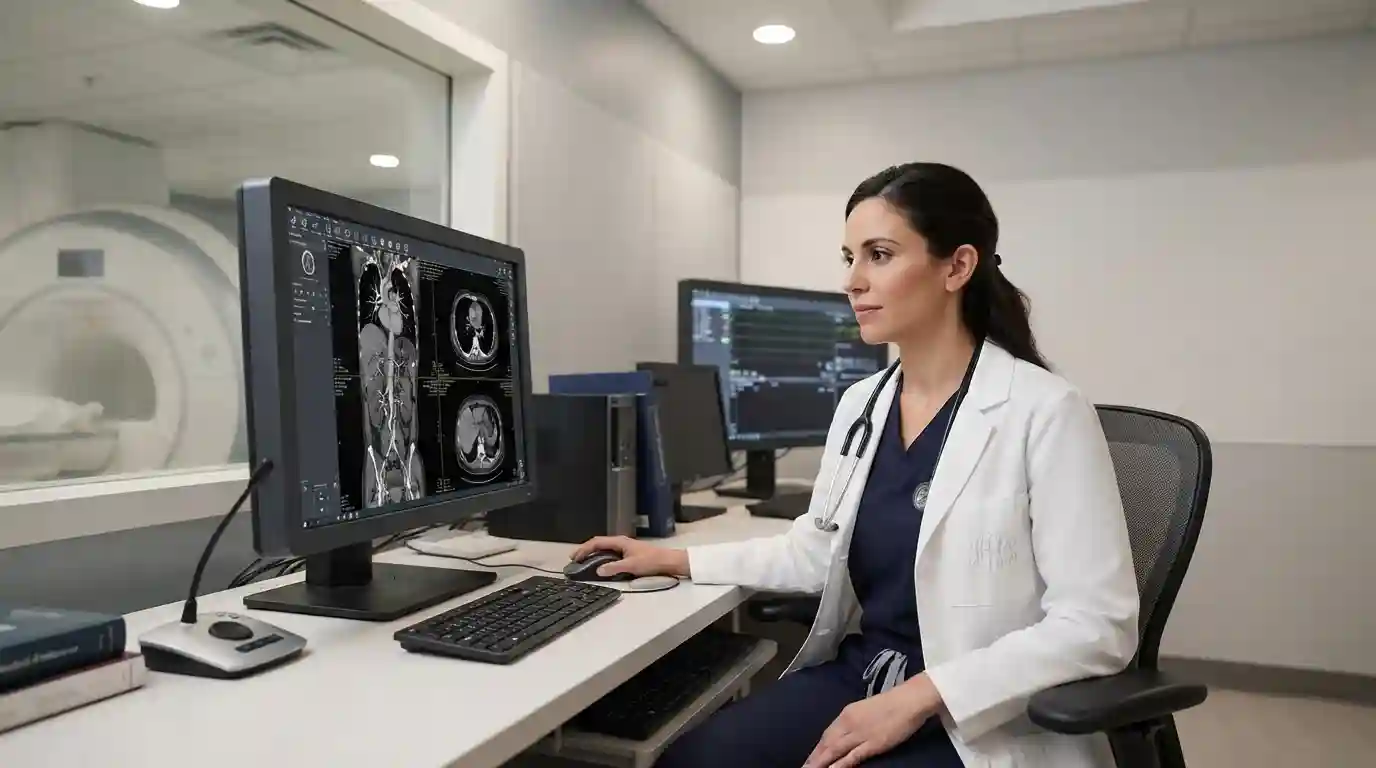
Rather than focusing on a single area of medicine, ARA Health Specialists brings multiple specialties together. This approach can help patients and referring providers navigate complex diagnostic and treatment needs through coordinated care. If you are researching healthcare options, understanding what a specialized practice offers can help you prepare for conversations with your own healthcare team.
What Is ARA Health Specialists?
ARA Health Specialists is a multispecialty medical practice with a long history in western North Carolina. The organization provides imaging, intervention, surgery, and related medical services through physicians and advanced practitioners with specialized training.
Its clinical team includes radiologists, interventional radiologists, neurointerventional specialists, vascular surgeons, advanced practitioners, and other healthcare professionals. The practice emphasizes specialized expertise, collaboration, technology, and coordinated patient care.
For readers exploring broader healthcare topics, our coverage of healthcare access and innovation provides another perspective on how healthcare systems and technology can influence the patient experience.
Specialized Expertise Across Multiple Areas
One of the defining characteristics of ARA Health Specialists is its range of medical specialties. Instead of limiting its services to general care, the practice focuses heavily on specialized imaging and minimally invasive interventions.
Diagnostic Imaging
Medical imaging plays an important role in identifying and evaluating many health conditions. ARA Health Specialists provides several types of diagnostic imaging, including CT, MRI, ultrasound, X-ray, fluoroscopy, nuclear medicine, PET imaging, breast imaging, and other specialized services.
Imaging can help physicians gather information that supports diagnosis, treatment planning, and follow-up care. The appropriate imaging method depends on the patient’s symptoms, medical history, and clinical needs.
Patients researching health-related information may also find our article about health education resources useful for understanding why medical terminology and health literacy matter when communicating with healthcare professionals.
Breast Imaging and Women’s Health
Breast imaging is another important area of specialization. ARA Health Specialists provides breast imaging services designed to support screening, diagnosis, and evaluation when additional assessment is needed.
Screening recommendations can vary according to age, risk factors, personal history, and guidance from a qualified healthcare professional. Patients should discuss individual screening needs with their clinician rather than relying on generalized information online.
For broader wellness and personal-care topics, WayfareHub also covers subjects such as specialized clinic experiences, although medical screening and diagnosis should always be discussed with an appropriate healthcare professional.
Interventional Radiology
Interventional radiology uses imaging guidance to perform certain procedures through minimally invasive techniques. Depending on the condition, these approaches may provide alternatives to some traditional surgical procedures.
ARA Health Specialists offers interventional services for a range of conditions and procedures, including image-guided biopsies, vascular treatments, drainage procedures, treatment of certain tumors, vein procedures, and other interventions.
The specific treatment appropriate for a patient depends on the diagnosis and clinical circumstances. A specialist can explain the available options, potential benefits, risks, preparation requirements, and expected recovery.
Neurointerventional and Brain and Spine Care
ARA Health Specialists also has expertise in neurointerventional medicine. This area focuses on minimally invasive procedures involving the brain, spine, and related blood vessels.
Neurointerventional specialists may treat conditions such as certain strokes, brain aneurysms, vascular malformations, and spinal compression fractures. Some neurovascular conditions require urgent evaluation, so anyone experiencing sudden neurological symptoms should seek emergency medical attention rather than relying on online information.
Healthcare decisions often involve coordination among several professionals. This is one reason specialized practices can be valuable when diagnostic information, procedural expertise, and follow-up care need to work together.
Vascular Surgery and Vein Services
Vascular health is another major area within ARA Health Specialists. Vascular specialists evaluate and treat conditions affecting blood vessels, including certain forms of arterial disease, aneurysms, carotid artery disease, peripheral artery disease, and other vascular conditions.
ARA Health also works alongside specialized divisions that focus on vein and vascular services. Depending on the patient’s condition, treatment may involve medical management, minimally invasive procedures, or surgery.
For readers researching the broader relationship between healthcare and financial protection, our guide to health insurance and coverage considerations provides additional reading. Insurance coverage varies by policy and provider, so patients should confirm benefits directly with their insurer.
Why Specialized Medical Care Matters
Specialization can be particularly important when a patient needs advanced diagnostic interpretation or a procedure requiring focused clinical training. ARA Health Specialists describes its clinicians as board-certified and subspecialized across areas such as radiology, interventional radiology, neuroradiology, neurointerventional medicine, breast imaging, and vascular surgery.
A coordinated model can also help connect diagnostic information with treatment planning. When multiple healthcare professionals are involved, communication between clinicians can be an important part of delivering appropriate care.
This broader concept of coordinated support can also be seen in home care services, where continuity and communication can become important for individuals who need ongoing assistance outside a hospital or specialist setting.
Technology and Minimally Invasive Treatment
Modern healthcare increasingly relies on advanced imaging and minimally invasive techniques. Imaging can provide physicians with detailed information before, during, and after certain procedures, while minimally invasive approaches can sometimes reduce the physical impact associated with traditional surgery.
ARA Health Specialists combines advanced imaging technology with specialized interventional expertise. Depending on the medical problem, image-guided treatment may provide an option that differs from conventional open surgery.
Patients should remember that minimally invasive does not mean risk-free. Every medical procedure has potential risks and benefits, and an appropriately qualified specialist should explain these factors before treatment.
Patient-Centered Care and Care Coordination
Healthcare can sometimes feel complicated, especially when patients need imaging, specialist consultations, procedures, preparation, and follow-up appointments. ARA Health Specialists has developed its ARA Cares platform to help patients navigate aspects of this process.
Care coordination can be particularly useful when several steps are involved. Patients may need help understanding appointment schedules, preparation instructions, referrals, procedures, or follow-up arrangements.
Similar coordination principles apply to long-term support services. For example, our coverage of trusted home care services explores another part of the healthcare support landscape.
Choosing the Right Specialist for Your Needs
Finding a healthcare specialist should begin with the medical question or condition that needs to be addressed. Patients can ask their primary care provider which type of specialist is appropriate and whether diagnostic testing should happen before a consultation.
When evaluating a specialist or medical practice, consider factors such as:
- The specialty and clinical expertise relevant to your condition
- Whether the practice offers the diagnostic or procedural services you need
- Where services are provided
- Whether referrals are required
- Whether your insurance plan is accepted
- How appointments, preparation, and follow-up are coordinated
- What questions you should ask before a procedure
Insurance and payment considerations can also influence access to care. Readers can explore related information in our article about insurance coverage and protection, while remembering that healthcare benefits depend on the individual insurance policy.
Healthcare Support Beyond the Specialist Visit
Good healthcare does not always end when a diagnostic test or procedure is completed. Depending on the condition, patients may require monitoring, rehabilitation, medication management, home assistance, or additional appointments.
For people supporting family members at home, resources such as home care services can be part of a wider care plan. In other situations, patients may need specialized equipment or comfort-focused products. Our article on a medical air mattress for hospital beds covers one example of equipment used in certain care environments.
Mental and emotional well-being is another part of overall health. Readers interested in wellness education can explore our article about mental health awareness activities or learn more about mental health awareness.
Accessing ARA Health Specialists
ARA Health Specialists serves communities throughout western North Carolina through a network of imaging and clinical service locations. The organization has grown substantially since its founding and now provides specialized healthcare services across the region.
Patients can review available locations and determine which facility provides the service they need. Location, referral requirements, insurance coverage, and appointment availability can all affect the process of accessing specialized care.
For additional context about medical locations and services, WayfareHub also covers topics involving specialized medical care and healthcare providers in different communities.
Preparing for a Specialist Appointment
Being prepared can make a medical appointment more productive. Before visiting a specialist, consider bringing a list of current medications, relevant medical records, previous imaging reports, questions about your symptoms, and information about your insurance coverage.
You can also write down when symptoms began, what makes them better or worse, and any previous treatments or tests. Clear information can help your healthcare team understand your situation and determine the next appropriate steps.
For people interested in health-related savings and healthcare purchasing topics, our coverage of the Brello Health coupon code provides a separate consumer-health perspective, although discounts and healthcare services should always be evaluated independently from clinical medical advice.
The Importance of Asking Questions
Patients should feel comfortable asking questions about a proposed test, procedure, diagnosis, or treatment plan. Useful questions may include why a particular test is recommended, what the procedure involves, what preparation is required, what risks should be considered, and what follow-up may be necessary.
It is also reasonable to ask how results will be communicated and whether additional appointments will be required. Understanding the process can help patients participate more effectively in their own care.
Health information should come from reliable medical professionals and trustworthy healthcare organizations. General online articles can provide background information, but they should not replace individualized medical advice.
Final Thoughts on ARA Health Specialists
ARA Health Specialists represents a specialized healthcare model built around imaging, intervention, surgery, and coordinated medical services. Its range of specialties includes diagnostic imaging, breast imaging, interventional radiology, neurointerventional care, and vascular surgery.
For patients in western North Carolina who need specialized diagnostic or procedural services, understanding the available specialties can make it easier to discuss appropriate options with a healthcare professional. The right choice depends on the individual’s condition, medical history, physician recommendations, insurance considerations, and personal circumstances.
Whether someone needs advanced imaging, a minimally invasive procedure, vascular evaluation, or specialized follow-up, informed communication between patients and healthcare professionals remains an important part of the care journey.
Readers exploring the wider healthcare landscape can also learn about health updates and vaccination information, as well as mental health support resources. These topics highlight the many different components that can contribute to a person’s overall approach to health and well-being.